BIOGRAPHY

Barcelona

1926 - 2014

24 min read

CHRONOLOGY

1926

1937

1938

1939

1940

1941

1944

1945

1949

1950

1953

1954

1955

1957

1959

1960

1963

1964

1967

1968

1969

1970

1971

1972

1978

1983

1988

1996

2000

2003

2006

2010

2014

Born in Barcelona

Josep M. Castellet is born on 15 December in the district of Gràcia.

London and San Sebastián

In the middle of the Civil War, the family settles first in Norbury, London, and then in San Sebastián.

Bilbao

In the summer they move to Bilbao, where his father has found work. There he completes his second year of secondary school.

Return to Barcelona

The family returns to Barcelona and settles on Carrer de Còrsega, very close to where they lived before the war.

Colegio de la Inmaculada

He completes his third year of secondary school at the Marist Brothers' Colegio de la Inmaculada.

Institut Balmes

He moves to the Institut Balmes, where he will complete his last four years of secondary school.

Law at the University of Barcelona

He begins a law degree at the University of Barcelona and graduates in September 1951.

His first article

He publishes "Futurismo" in Estilo, the SEU's university magazine.

A decisive review

His review of Simone de Beauvoir's Le deuxième sexe leads to the closure of Estilo and to his expulsion.

Laye is born

The first issue of Laye comes out. The magazine is central to a new generation of Barcelona intellectuals.

Critic at Revista

He joins Revista as a literary critic and travels to Paris on a grant from the Spanish Ministry of Education.

Jornadas Literarias de la Mancha

He attends the "Jornadas literarias de la Mancha" and makes his first contacts with Spanish writers of his generation, who follow, invited by the civil governor of Ciudad Real,

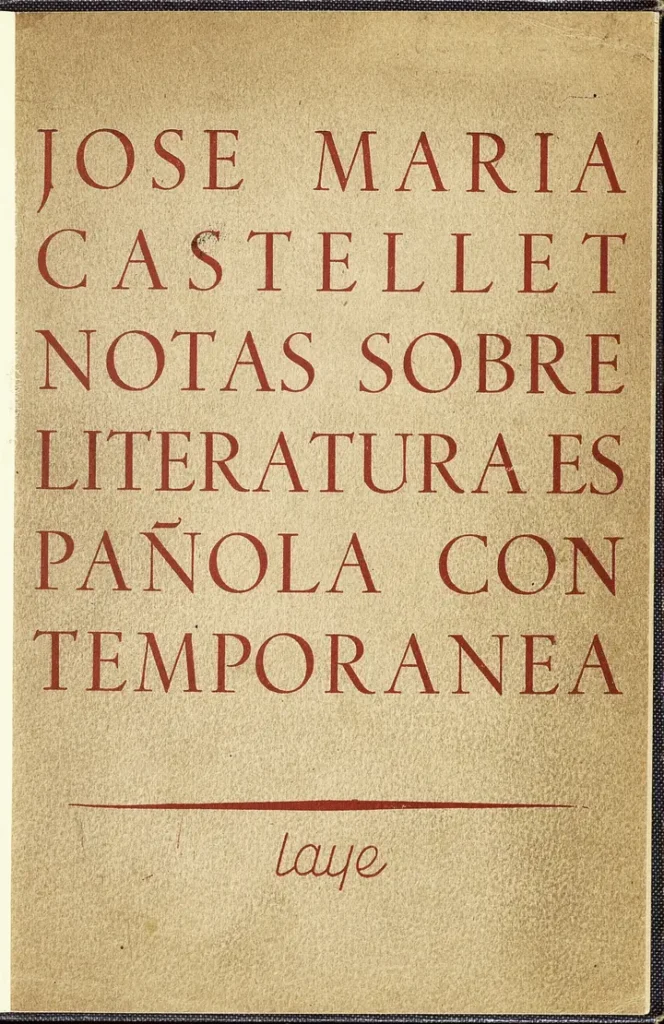
First book and Seix Barral

He publishes Notas sobre literatura española contemporánea and joins the Seix Barral reading committee.

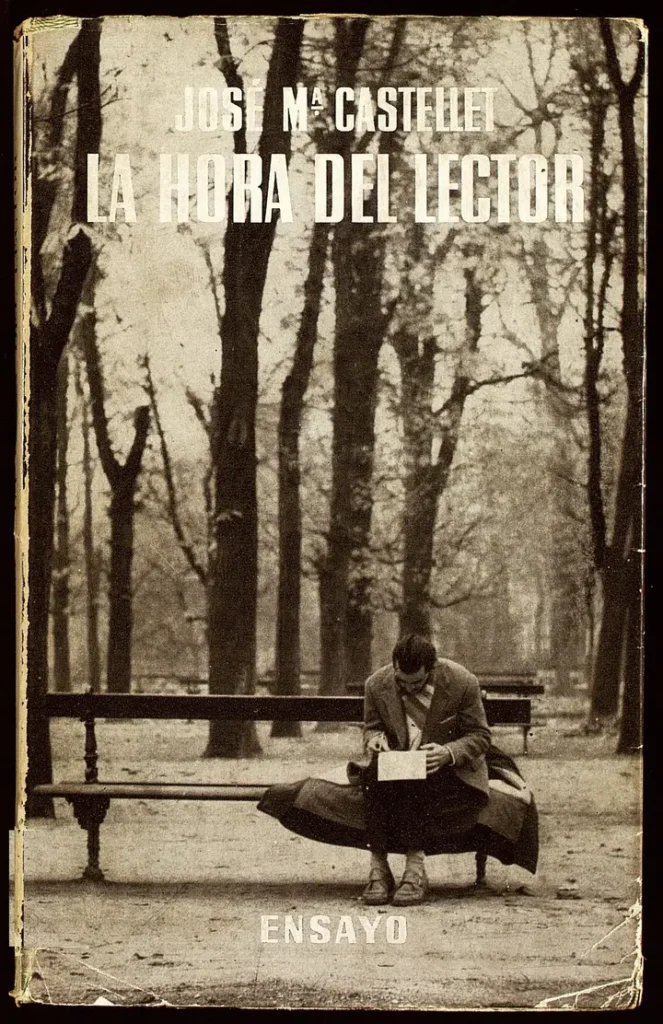
La hora del lector

He publishes an essay that is key to understanding his early career as a critic.

Collioure and Formentor

He attends the tribute to Antonio Machado and the first Formentor International Novel Conference.

Comunità Europea degli Scrittori

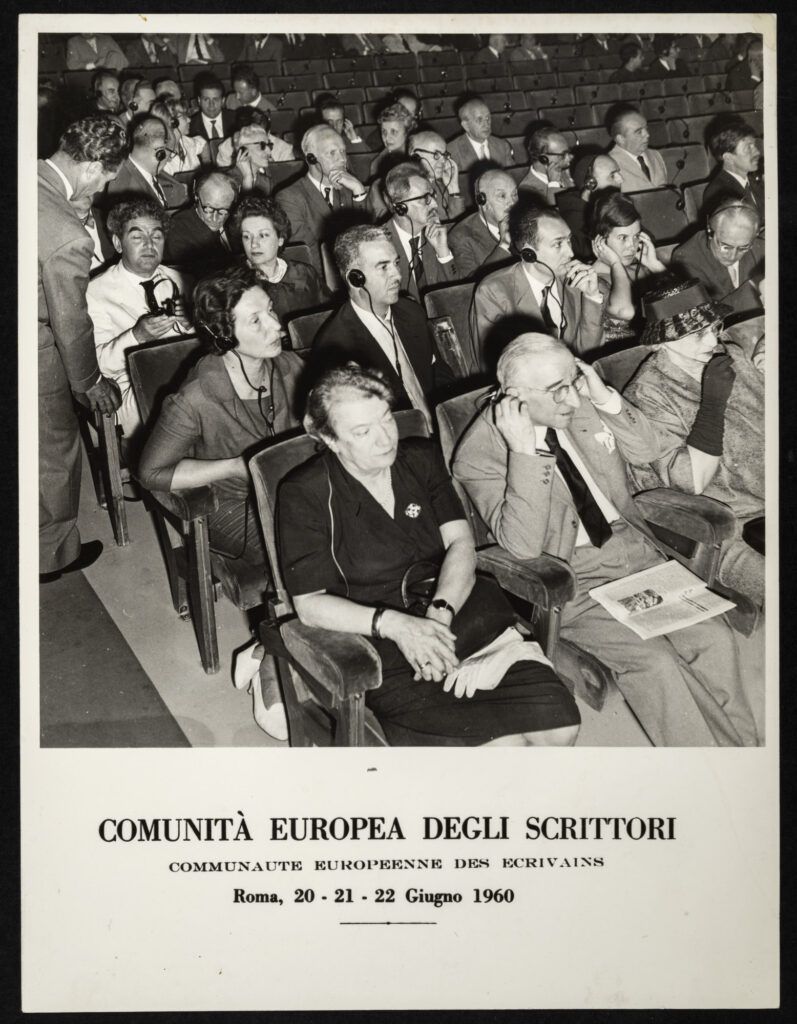
He sits on the board of this European writers' network until it dissolves in 1968.

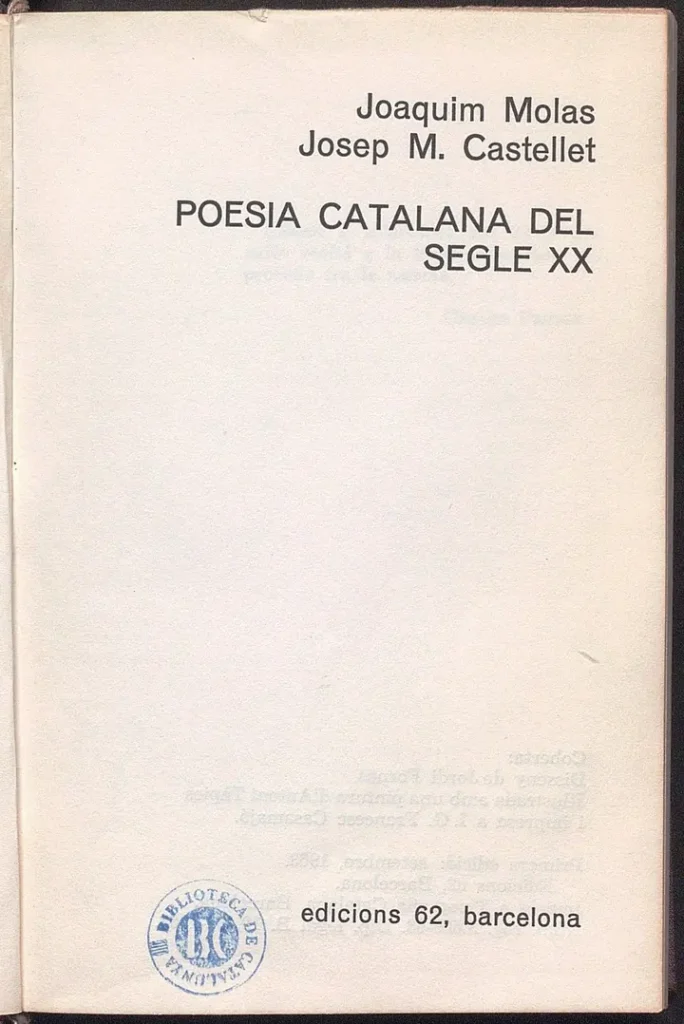
Poesia catalana del segle XX

With Joaquim Molas he publishes an anthology that is fundamental to the debate on contemporary Catalan poetry.

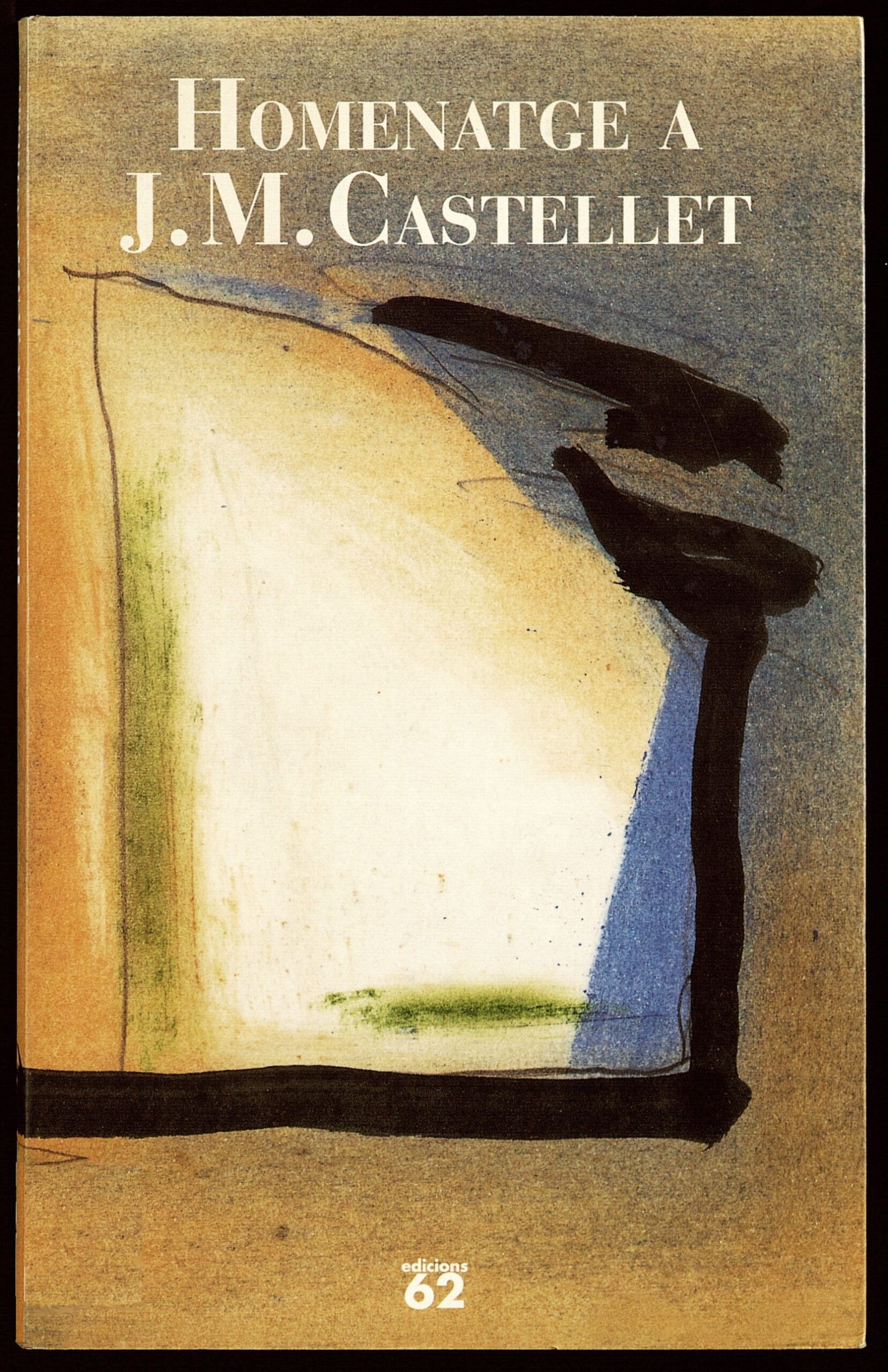
Literary director of Edicions 62

He begins more than three decades at the head of one of the great projects in Catalan publishing.

South America, Mexico and New York

His first major trip to the Americas widens his intellectual network and reconnects him with the Díaz de Cossío family.

Havana, Paris and the USSR

He takes part in international cultural gatherings in a year that also transforms his political and critical outlook.

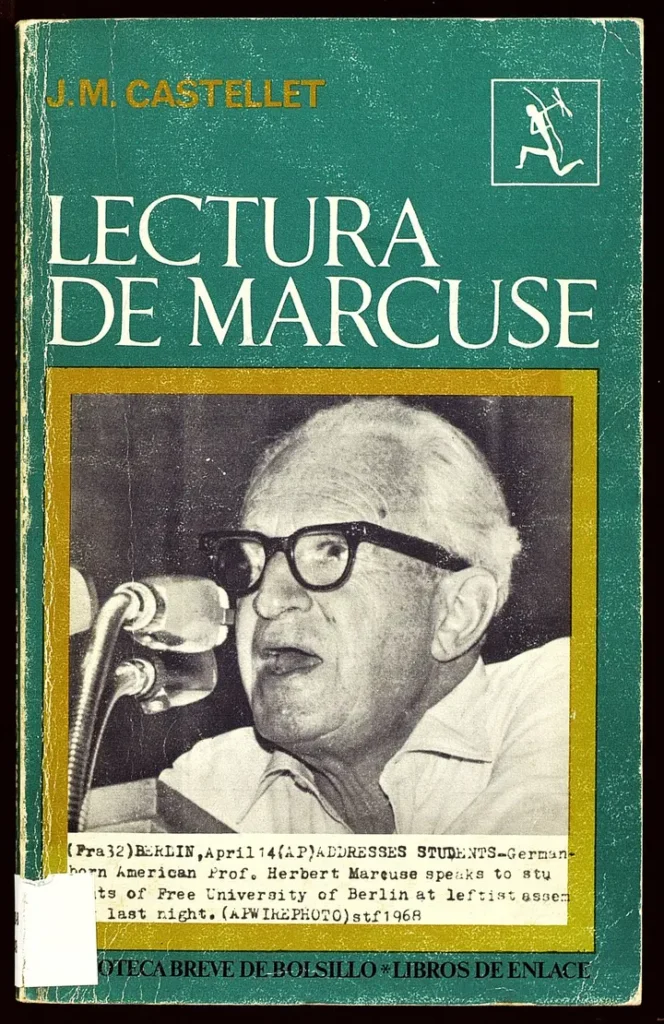
Lectura de Marcuse

He publishes his most widely read book, written in response to the events of May '68.

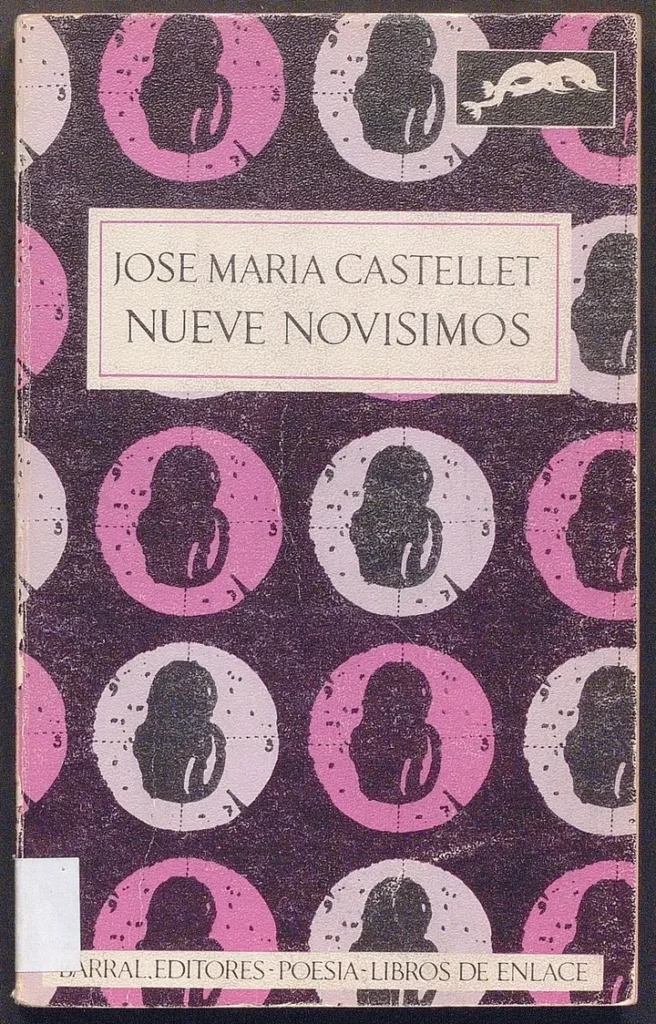
Nueve novísimos

The anthology Nueve novísimos poetas españoles has a major impact on the literary scene.

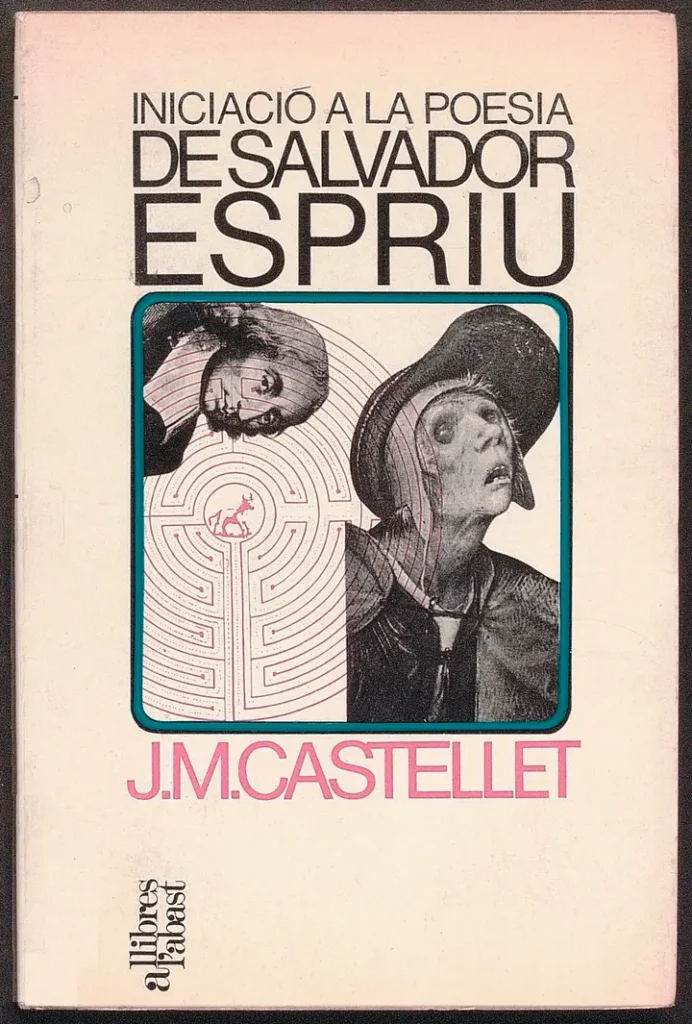
Salvador Espriu

He publishes Iniciació a la poesia de Salvador Espriu, which wins the Taurus Essay Prize.

A new route through the Americas

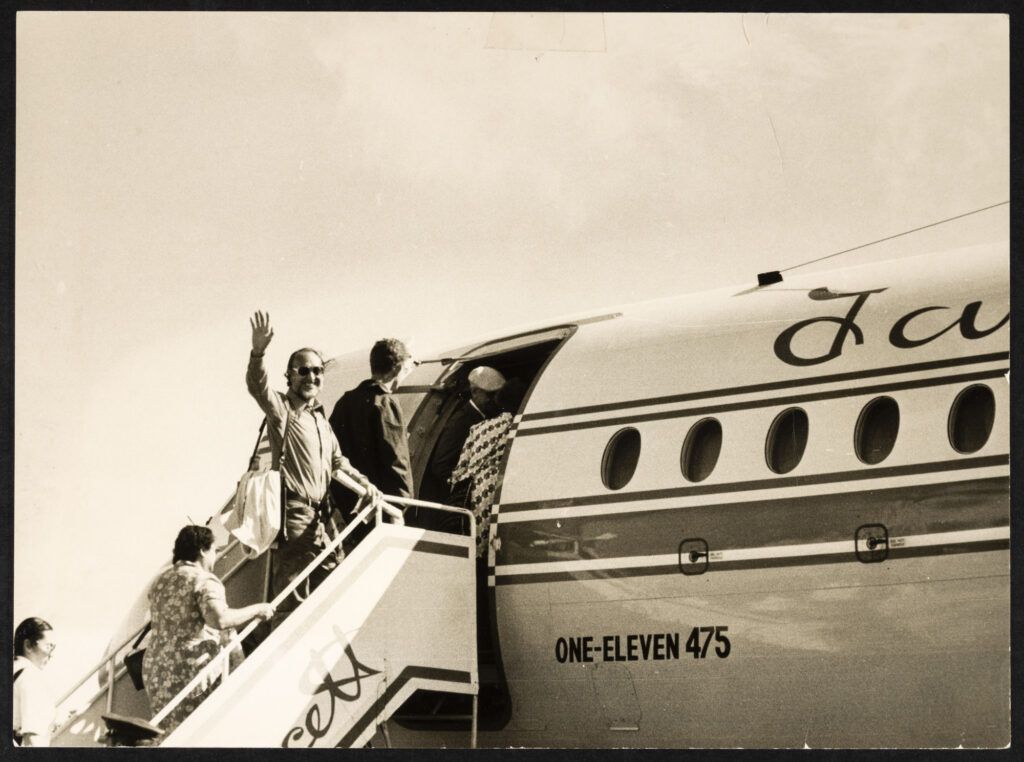
He travels with Carmen Balcells and Carlos Barral to Caracas, Lima, Iquitos, Santiago de Chile and Buenos Aires.

Writers and Josep Pla

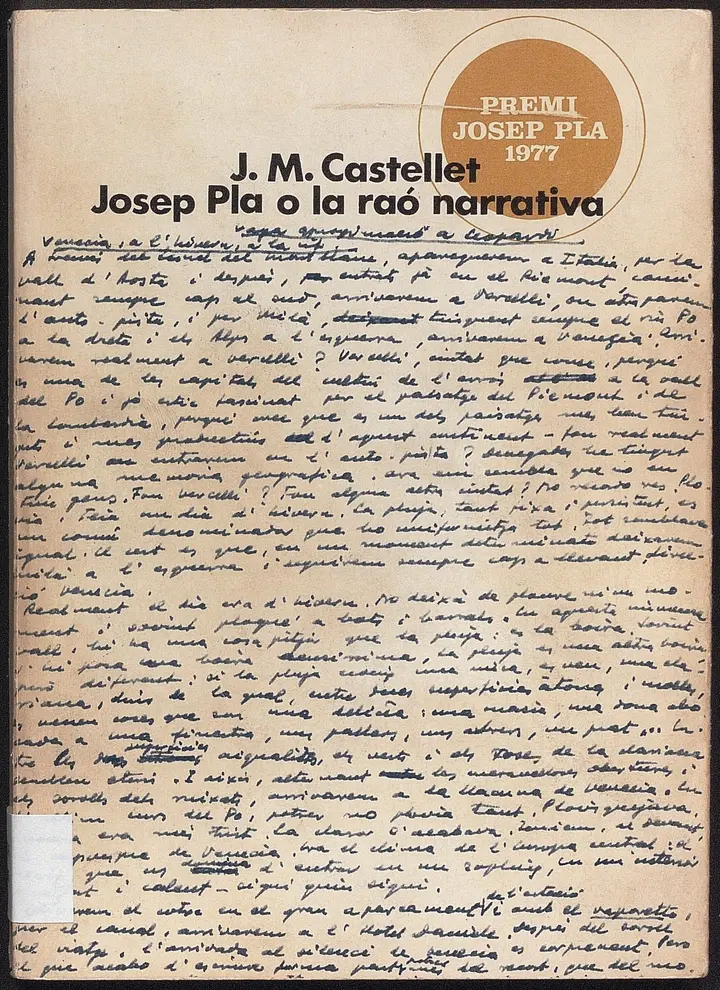
He is elected the first president of the Associació d'Escriptors en Llengua Catalana (Association of Catalan-Language Writers) and publishes Josep Pla o la raó narrativa.

Creu de Sant Jordi

The Government of Catalonia awards him the Creu de Sant Jordi (Cross of Saint George).

Els escenaris de la memòria

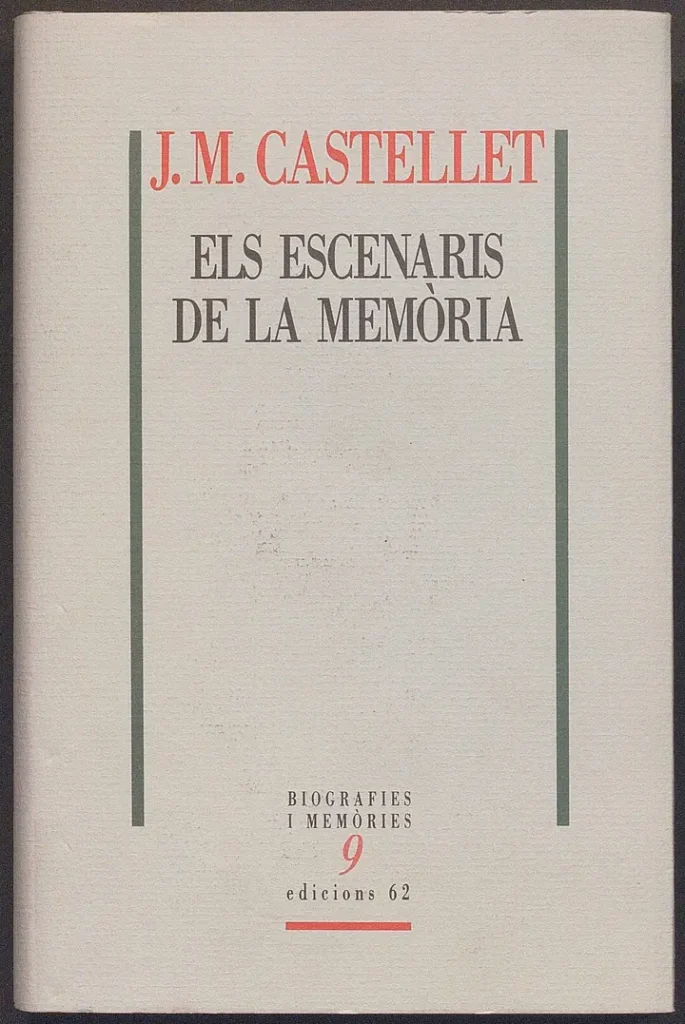
He publishes his best-known memoir, which wins several criticism and literary awards.

Retires from Edicions 62

He ends his time as literary director after more than thirty years building its catalogue.

Chairman of Grup 62

He is appointed chairman of the board of Grup 62.

Gold Medal

He receives the Gold Medal of the Government of Catalonia.

Dean of the Institució de les Lletres Catalanes

He becomes dean of the Institució de les Lletres Catalanes.

Premio Nacional de las Letras Españolas

He receives one of Spain's highest honours for a lifetime's literary work, the National Prize for Spanish Letters.

Dies in Barcelona

Josep M. Castellet dies on 9 January, aged eighty-seven.

The Castellet and the Díaz de Cossío

The Castellet

(…) in the game of truths and lies we habitually play with one another, I have always favoured the former—albeit duly nuanced. Thus, when you [addressing Josep Pla] mentioned having heard that I came from a more or less wealthy family, I had to reply that my family origins were, at best, those of the petty bourgeoisie of the district of Gràcia—where my father was born, on Torrent de l’Olla, and where I myself was born just three hundred meters away, at the corner of Bailèn and Travessera. When you alluded to a lawyer named Castellet you had heard of, I told you he was my uncle—now deceased—but that he, too, had never attained any significant level of wealth. “I don’t know where I got the idea that your father, at the very least, was a textile man who had made a fortune.” “Look, Pla,” I said, “my father worked like a dog his whole life and raised a family on the commissions he earned for every ‘bale’ of spun cotton sold. We never lacked for anything—that’s true—but aside from a few modest rental properties in Gràcia and a reasonably substantial block of stock-market shares, I never knew him to own anything else.” “But what about your grandfather? Didn’t he leave you anything?”

My paternal grandfather, who was a brick maker, died in an accident on Christmas Eve 1897, leaving behind a widow and three children, plus a fourth, my father, who was born a few months later, on 5 May 1898, to be exact. I discovered the economic reality of my family through an extraordinary document that deceived no one: my grandmother’s ledger, dating from 1901, in which she recorded expenses and income day by day, down to the last cent. You were intrigued by that ledger: “Would you mind telling me about its contents? I am not asking you to reveal the specific amounts, for that is where family secrets lie. But what did your grandmother record in that document?” I told you, partly because it seems to me that the truth of small figures is no secret at all, but rather the precise measure of the daily life and financial straits of an ordinary family—I mean, of those who hide nothing because they have nothing to hide.

(«Una carta a Josep Pla», dins Josep M. Castellet, Els escenaris de la memòria (Barcelona, Edicions 62, 1988))

The Díaz de Cossío

Towards the end of the last century, a teenager named Martín Díaz Calero, born in Novales, in the province of Santander, and the son of the village doctor, arrived in Mexico determined to make his fortune. Little is known about his early years in the Americas, though we do know he married very young, to Maria Cisneros, a woman of mixed race who was strikingly beautiful ⎯as photographs reveal⎯ and soon had a daughter with her whom they named Encarnación Dolores [mother of Josep M. Castellet]. Two more children followed: Eduardo and Diego. At some point, he moved to Yucatán, where he became involved in the fiber trade, specifically dealing in sisal and henequen. However, things evidently did not go well for him; on an unspecified day in a year that cannot be pinpointed, he decided to send his family back to Spain, specifically to the village of Celis, where his father had been stationed, while he remained alone in Mexico, doggedly pursuing the fortune that had driven him to cross the Atlantic. (…)

Martín Díaz reappeared in Spain during the second decade of the century, having, at least in part, achieved his goal. At some point, he decided to settle with his entire family ⎯including his parents⎯ in Barcelona, believing he could develop his business interests there better than anywhere else on the peninsula. In the meantime, Maria Cisneros had passed away, and a final daughter, María Paz, had been born. From Barcelona, he returned to Mexico and later undertook various trips across Europe and the Americas to sell Mexican fibres. In the early 1920s, during a trip to the USSR, he established one of the first contacts for exporting sisal between Mexico and the government that had emerged from the 1917 revolution.

(…) Around 1915 ⎯a rather imprecise date⎯ he claimed and obtained legal recognition of the surname Díaz de Cossío, replacing the simple Díaz he had used initially. The Díaz de Cossío family mansion is located in Carmona (Cantabria) and is now a small state-run historic hotel, featuring an ornate coat of arms. It appears that Eduardo, the doctor, was born in that house.

(«Octavio Paz» dins Josep M. Castellet, Els escenaris de la memòria (Barcelona, Edicions 62, 1988))

Online biographies

Associació d’escriptors en llengua catalana: Josep M. Castellet

Fons Josep M. Castellet. Biblioteca de Catalunya

Josep M. Castellet a LletrA (Universitat Oberta de Catalunya)

Viquipèdia: Josep M. Castellet i Díaz de Cossío

Interviews

«José María Castellet a Fondo» per Joaquin Soler Serrano, 28 de juliol de 1980

«Terenci a la fresca» entrevista Josep M. Castellet, 23 de febrer de 1981

«Literal», Raimon entrevista a Josep M. Castellet. (RTVE.es), 1991

«Veus literàries» amb Josep M. Castellet (Canal AELC) (2005). Guió i direcció d’Agustí Espriu. Lectures de Lluís Soler. Director de fotografia, Albert Serradó.

«L’hora del lector», Emili Manzano entrevista Josep M. Castellet. (22 de novembre de 2007)

«L’hora del lector», Emili Manzano entrevista a Josep M. Benet i Jornet i Josep M. Castellet. (29 de gener de 2010)

«S(Avis)», Enric Calpena presenta/entrevista Josep M. Castellet. (23 d’abril de 2008)

The connection with Europe

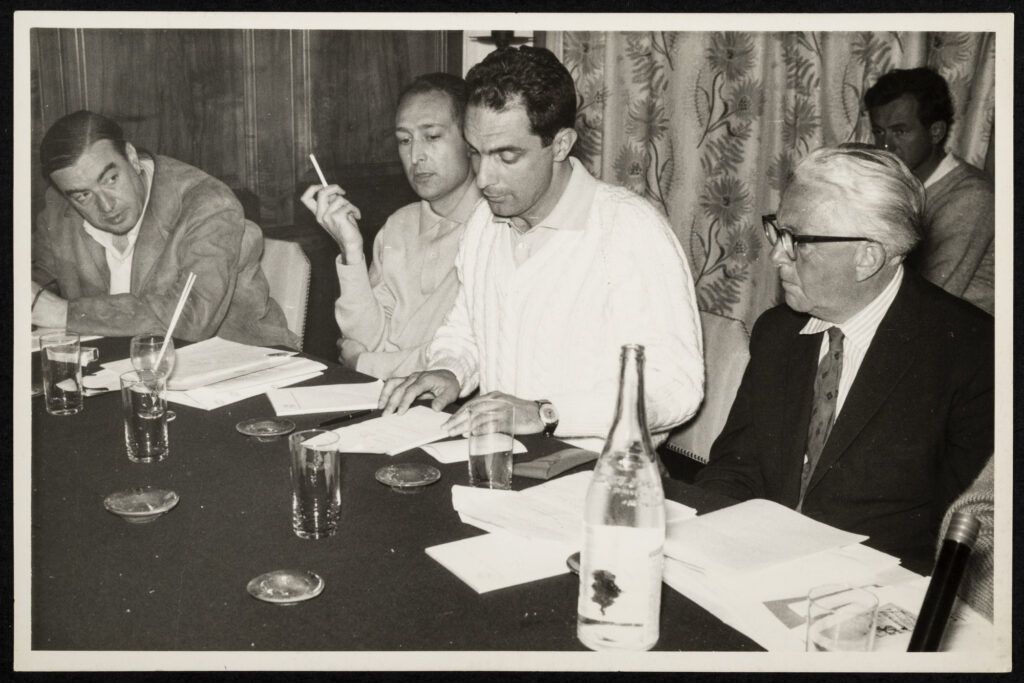
In the spring of 1959, I received an invitation to attend a conference on the subject of Europe, to be held in Lourmarin, Provence. The invitation was signed by a French poet, Pierre Emmanuel. If I am not mistaken about the dates, this, along with the Formentor poetry colloquiums (later expanded to include the Prix International de Littérature and the Prix Formentor), marked my début at the kind of gatherings that, continuing throughout the Franco era, allowed me to travel frequently outside Spain. Carles Barral and Pierre Emmanuel, along with the Italian essayist G.B. Angioletti, helped me over time to periodically escape the “Francoist leprosy,” to experience the reality of life in Europe, both East and West, and to feel more at ease and self-assured amidst the cultural shifts of the 1960s.

(«José Luis Aranguren», dins Els escenaris de la memòria, 1988)

Indeed, between May and July 1959, a series of connections with European intellectuals were established that helped raise Josep M. Castellet’s profile within European intellectual circles. The hitherto brilliant young nonconformist, who appealed equally to communist fellow travelers and to Spanish liberal intellectuals with roots in Falangism, took a significant step forward and succeeded in elevating his unique stature.

As a member of the Seix Barral reading committee, he participated in the First International Colloquium on the Novel, organized by the Barral publishing house at the Hotel Formentor in Mallorca. That initial meeting with European writers and publishers led to the creation of the Formentor International Literature Prizes organised by a select group of European publishers, including Barral, Gallimard, Rowohlt and Einaudi… which continued until 1967. Castellet, who served on the jury for every edition, gained first-hand exposure to the European fiction of the time, an experience that proved essential to his subsequent work as a publisher.

A couple of months later, in July 1959, his connection with a group of anti-Francoist Spanish intellectuals from the generation preceding his own—led by José L. Aranguren and Dionisio Ridruejo—enabled him to become involved with two organisations characteristic of the Cold War era: the Spanish Committee of the Congress for Cultural Freedom, which throughout the 1960s managed Spanish writers’ participation in international congresses and gatherings organized by the entity—and, above all, the distribution of grants and travel stipends; and the Comunità Europea degli Scrittori COMES, which was establishing an association of writers and intellectuals from both sides of Europe—a group in whose steering committee Castellet soon took a seat, while also founding both its Spanish and Catalan delegations.

Political and cultural activism

On the afternoon of 11 December 1970, I received a call inviting me to stop by the Stork Club that night, located in the Arcàdia passageway between Tuset and Balmes, to have a drink with a few friends. I dropped by around eleven o’clock, and Núria Serrahima was there waiting for me, along with three or four of the regulars. The Stork was usually frequented by people from the worlds of literature, art, and show business, as well as architects and designers who championed modernity—or, as some—not without a touch of sarcasm—called it, Barcelona’s progressive intelligentsia.

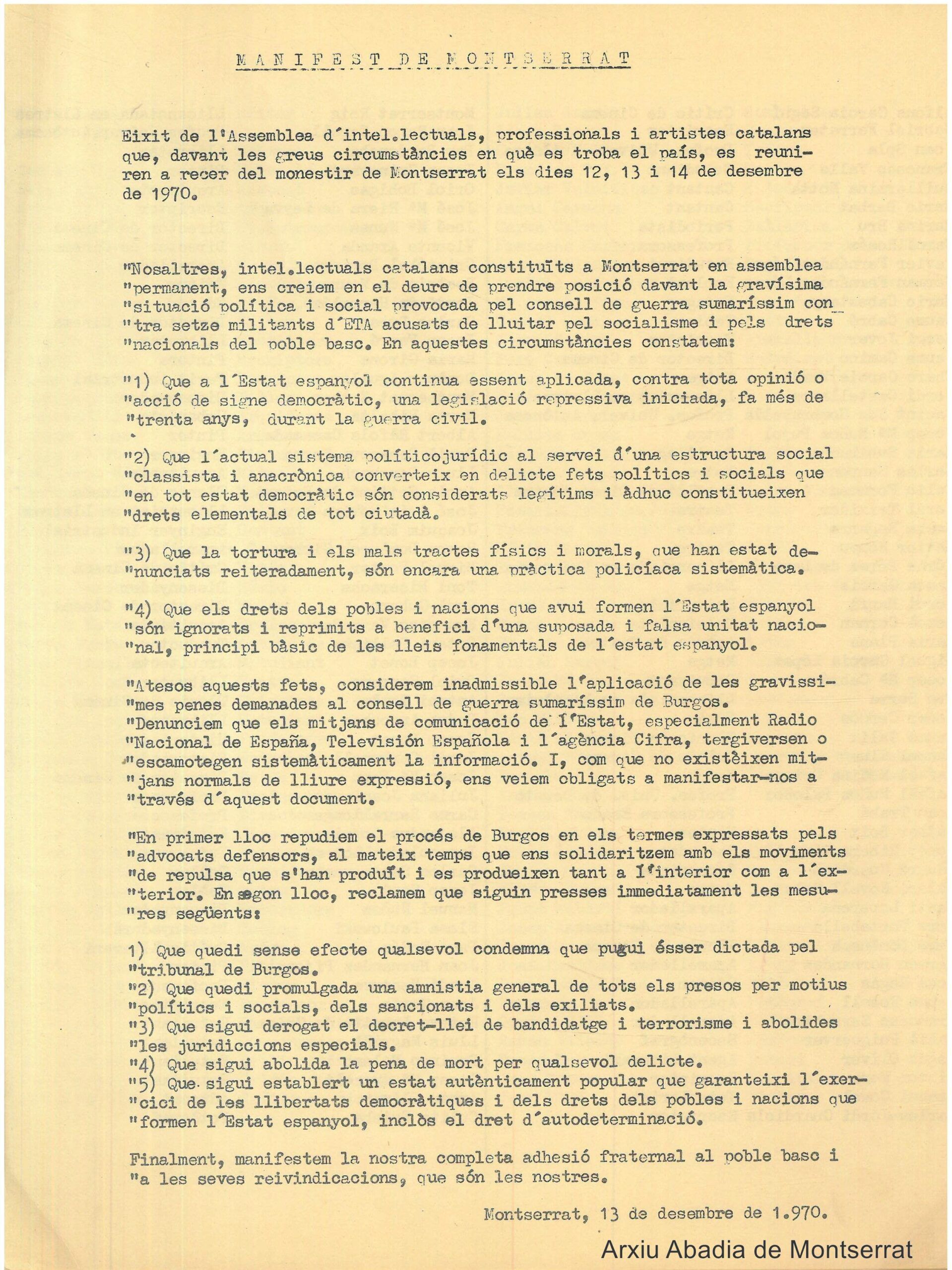
At the time, some members of these professions, along with various university figures committed to the underground opposition against the regime, were organising a high-profile clandestine meeting at an undisclosed location to protest the trial of eight members of the nascent ETA organization, for whom the death penalty was being sought.

(…) I was not part of the core group organising the protest, but I was aware of it, and the organizers had asked me to invite Mario Vargas Llosa, on their behalf, to take part in the gathering, which would be attended by notables such as Antoni Tàpies and Joan Miró. I asked him, and the Peruvian novelist agreed. That night at the Stork, I was to be told the exact location of the meeting, and Núria (one of the organisers) did just that: the gathering would take place at Montserrat the following afternoon.

(«Montserrat Roig, inicis d’una amistat» dins Memòries confidencials d’un editor. Tres escriptors amics, 2012)

Josep M. Castellet set out into exile with his parents in January 1937. After spending a few months in London, they moved to the Nationalist zone, specifically San Sebastián and Bilbao, and returned to Barcelona once the war had ended. Naturally, his academic education took place during the darkest years of the Franco regime. However, upon enrolling at the University of Barcelona, he met fellow students who shared a literary vocation even though, at their families’ insistence, they were studying law. They quickly realized that if they wanted to pursue a professional career in the literary world, they had to distance themselves from the cultural environment offered by the regime and commit to the venture of rebuilding a cultural landscape that broke away from imposed models and could reconnect with Europe.

Leveraging the very structures provided by the system, Castellet began his work as a literary critic in the university magazines of the SEU, the mandatory Falangist student union, gained teaching experience at the Seminario Boscán, linked to the Instituto de Estudios Hispánicos, and founded the Laye magazine following a commission from the Official College of Graduates of Barcelona.

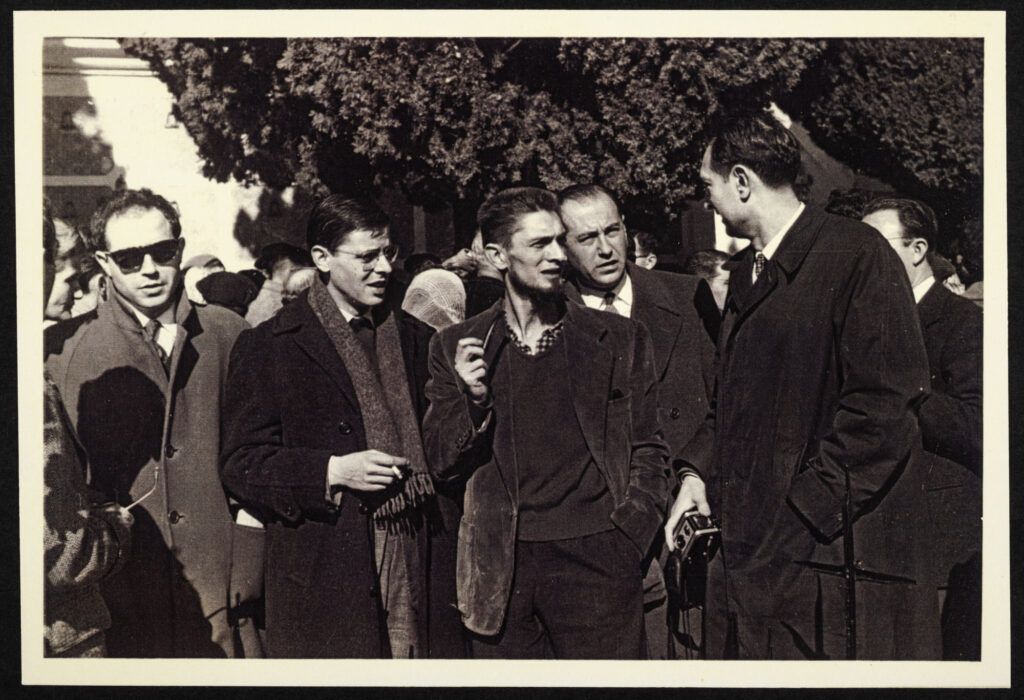
It was at the Seminario Boscán that Castellet connected with a group of young university students, including Salvador Giner, Luis Goytisolo, Joaquim Jordà, Octavi Pellissa, and Nissa Torrents, who formed the first university cell of the PSUC. Although he never formally committed to political militancy, his close contact with the university movement of the late 1950s and his friendships with PCE intellectuals from Madrid, such as Carmen Martín Gaite, Rafael Sánchez Ferlosio, Alfonso Sastre, García Hortelano and López Salinas, led him to actively participate in initiatives like the historic letter signed by over a hundred committed intellectuals and sent to Minister Fraga Iribarne; the letter denounced the torture, mistreatment, and humiliation inflicted upon Asturian miners and their wives during the 1962 strike.

In Barcelona, relations between the various groups opposing the regime were ideologically much more open than in Madrid, owing to the specific dynamics of the Catalan anti-Francoist political and cultural sphere, which tended to act as a united front, and thus with greater cohesion, in defence of cultural freedoms.

Within this context of Catalanist activism, straddling the line between underground activity and public visibility, there was a group of people (ranging from conservative Catholics to PSUC members) who remained involved in efforts to revive Catalan culture well into the 1970s. They included Oriol Bohigas, M. Aurèlia Capmany, Jordi Carbonell, Josep M. Castellet, Alexandre Cirici, Josep Fontana, Ernest Lluch, Albert Manent, Joaquim Molas, Miquel Porter Moix, Josep Termes, Joan Triadú and Francesc Vallverdú.

In Catalonia, the 1960s, which began with the clandestine Congress of Catalan Culture, conceived in 1961 and held in 1964, marked a period of intense activity among the intellectual forces opposing the regime: the Caputxinada of 1966 and the Montserrat Sit-in of 1970, where the Permanent Assembly of Intellectuals was formed, culminating in the establishment of the Assembly of Catalonia in 1971.
1968. Travel and political reflection
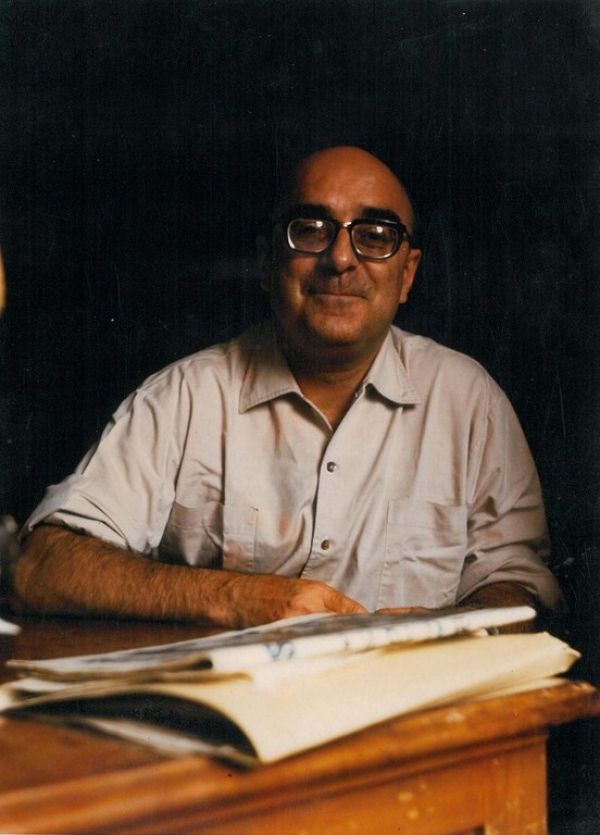
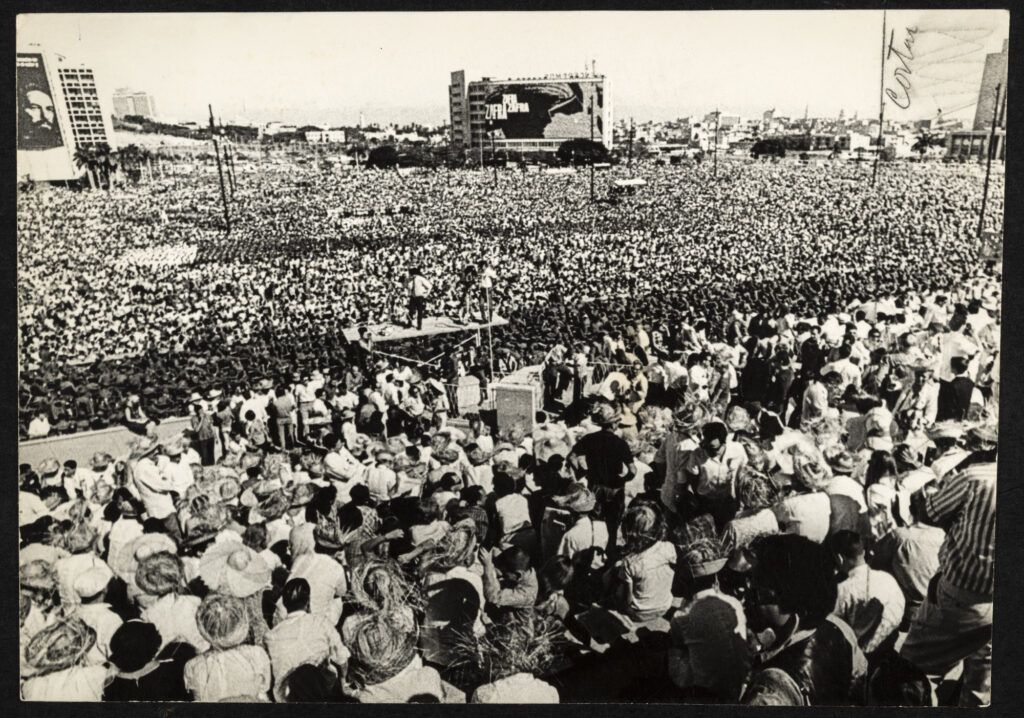
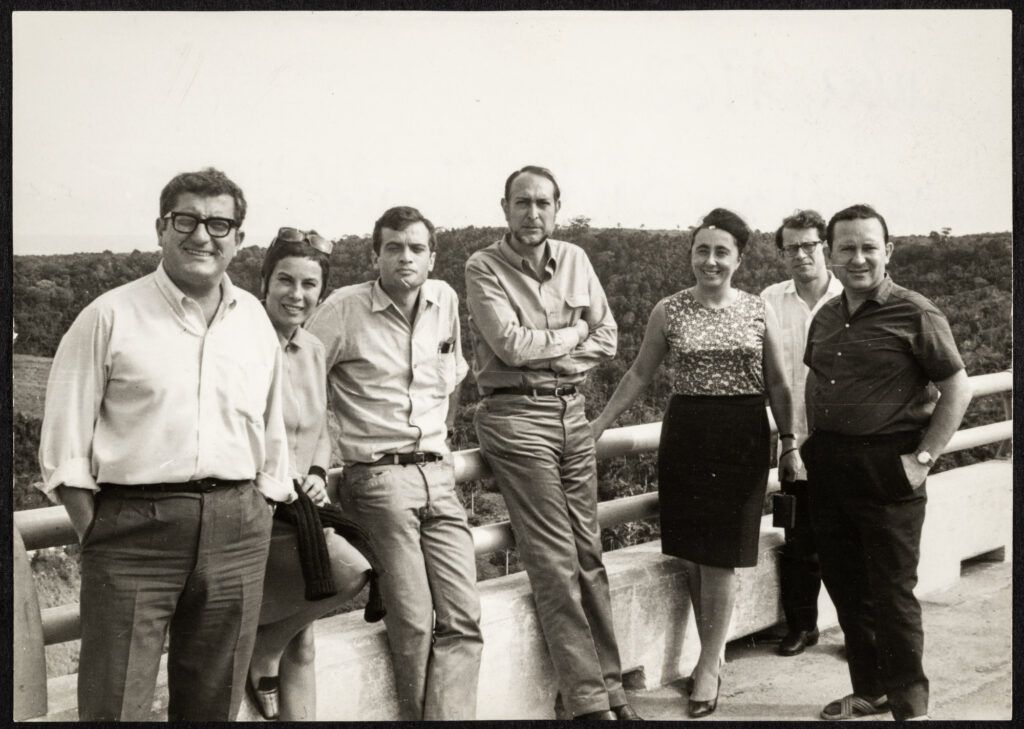
“Travel abroad had been crucial to my development, just as it was proving to be for Baltasar [Porcel], who at that time was only just beginning to cultivate his own wanderlust. For months, we had been discussing my trip to Cuba, in January 1968, to attend the Cultural Congress of Havana, a massive event open to all leftist ideologies, as well as my trip to the Soviet Union for the Maxim Gorky centenary in June, and my stay in Paris that May, which coincided with the student movement and the various strikes. At that time, Cuba represented a revolution in progress, whereas the Soviet Union was the established revolution, one that had become sclerotic and bureaucratised. The French student uprising—however much many sought to frame it as a structural revolution—yielded results that were perhaps unforeseen, pointing toward the subversion (across the entire Western world) of the intellectual and moral values that had held sway until then.”

(«Baltasar Procel, viatges d’anada i tornada» dins Memòries confidencials d’un editor. Tres escriptors amics, 2012)

Cultural policy

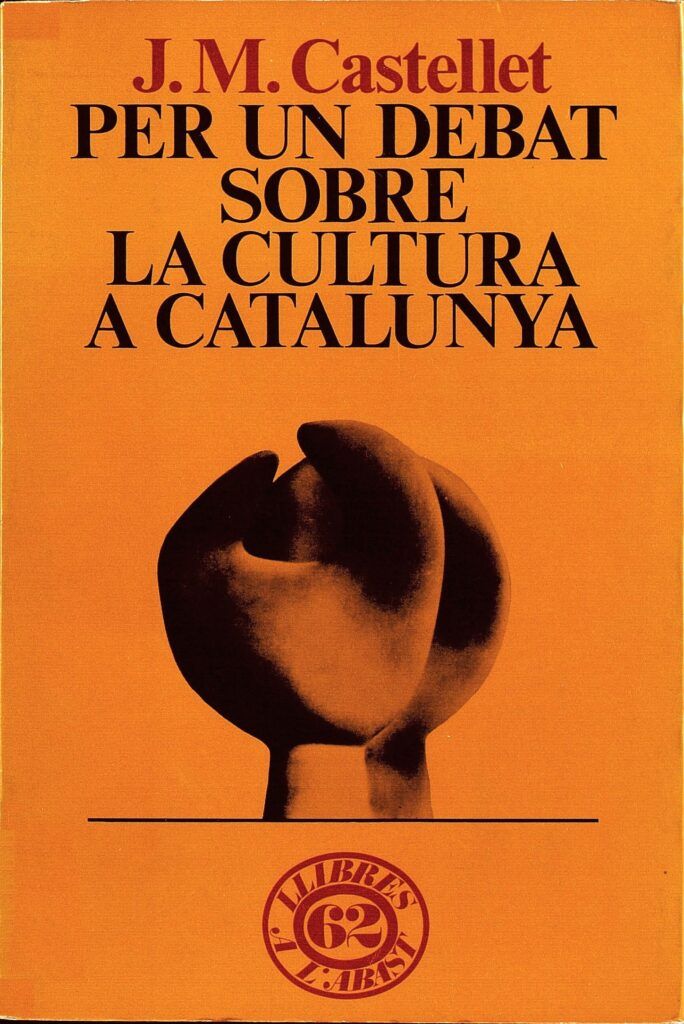
(…) a cultural policy framed within a broader political context has a far greater chance of developing on its own, free from the constraints, whether intentional or not, imposed by being conceived by a political party and executed by that party’s members. Freedom and cultural pluralism must be guaranteed; this is impossible under stagnant governments that inexorably impose a narrow view of the country’s challenges. The role of a government, whether that of the Generalitat or any state, should be to recognize the importance of broad cultural factors (in the widest sense) and to create an open environment for the development of the lives of all citizens, who are the protagonists and sole agents of their own existence.

(…) The paradox of discussing cultural policy—and what most politicians fail to grasp—is that the government is expected to stimulate, assist, promote, and subsidize activities that it should never direct or control, but merely administer. In other words, it involves creating an infrastructure upon which independent activities—lying outside the government’s direct control—can be built.

(Per un debat sobre la cultura a Catalunya. Barcelona: Edicions 62, 1983.)

Castellet’s active participation in the Diálogos and Converses, events that defined much of the Spanish and Catalan intellectual landscape during the 1960s and 1970s, enabled him to formulate a vision of cultural organisation essential for modernising and Europeanising Catalan culture. His process of reflection and maturation regarding the cultural project for a country that needed to be rebuilt from the ground up culminated in his 1983 book Per un debat sobre la cultura a Catalunya, the aim was to put forward a proposal and open a discussion that would lead to a pluralistic pact. The concept of a Cultural Pact and the creation of a National Council of Culture viewed as a prerequisite for any cultural policy, greatly interested Joan Rigol, the Minister of Culture in Jordi Pujol’s first government. Between 1984 and 1985, Rigol established an advisory council comprising over twenty intellectuals; Castellet, according to Rigol himself, was its moral driving force. The political situation arising from the Banca Catalana affair prevented the project from coming to fruition.

The Advisory Board of Councilor Rigol was formed by Josep M. Ainaud de Lasarte, Josep Ballarín, Miquel Batllori, Xavier Bru de Sala, Joan Carreras, Josep M. Castellet, Josep M. Espinàs, Xavier Folch, Josep M. Forn, Pere Lluís Font, Jaime Gil de Biedma, Joaquim Maluquer, Francesc Noy, Modest Prats, Albert Ràfols Casamada, Josep Ramoneda, Ignasi Riera, Ignasi de Solà Morales, Josep Termes, Joan Triadú, Eugenio Trías, Manuel Vázquez Montalbán, in addition to Jaume Lorés as secretary and Oriol Pi de Cabanyes as speaker.

Sáenz-Díez Trias, Margarita. “El conseller de Cultura estará asistido por un equipo de asesores ideológicamente plural” [enllaç a pdf]. La Vanguardia 3/7/1984

“El necessari pacte cultural”. L’Avui 11/7/84. p. 10

The context

I can only be understood in light of the fact that, despite being deeply involved in the literary scene, my temperament has always made me a distant observer, a witness, a role that may not be particularly likeable and has only become more pronounced over the years. Oriol Bohigas has told me as much more than once: “You’ve viewed everything with a critical eye, and with increasing skepticism.” Few values remain standing for me, but friendship is one of them. The primary one being the bond that united me with Barral and his circle—of which few of us remain. You mention those long, lively nights at the Hotel Suecia in Madrid—yes. That was always our base whenever Carlos arrived and summoned the Madrid novelists of the “critical realism” movement—or the “cabbage school,” as it was later dubbed and, in those days, you lot, the Novísimos. I remember what Ferlosio used to say: “Here comes Carlos Barral, flying in to treat all of us poor devils in Madrid to Scotch whisky.” Nights filled with plenty of wine and sexual escapades, though I rarely got drunk and lived a less wild life than they did. Was it to observe better? Having taken part in all those adventures, which, quite apart from the alcohol and the erotic entanglements, played such a significant role in our literature, allows me now (as I approach seventy, leading a very serene and secluded private life) to lean into my calling as an ironic chronicler: one who, naturally, often pokes fun at himself. I picture myself in those tableaux of friends like the caganer in a nativity scene, that figure tucked away at the back of the manger, taking a dump while watching the birth of Christ. I know I never possessed the aggressive, overpowering personality of Jaime Gil or the Juan Benet of the Madrid days, but having outlived them all, I have become a hyper-critical skeptic. And I have always been clear about one thing: I am who I am because of the others.

(Vicente Molina Foix, La edad de Oro. Madrid: El País/Aguilar, 1997, p.233-245.)

The university group

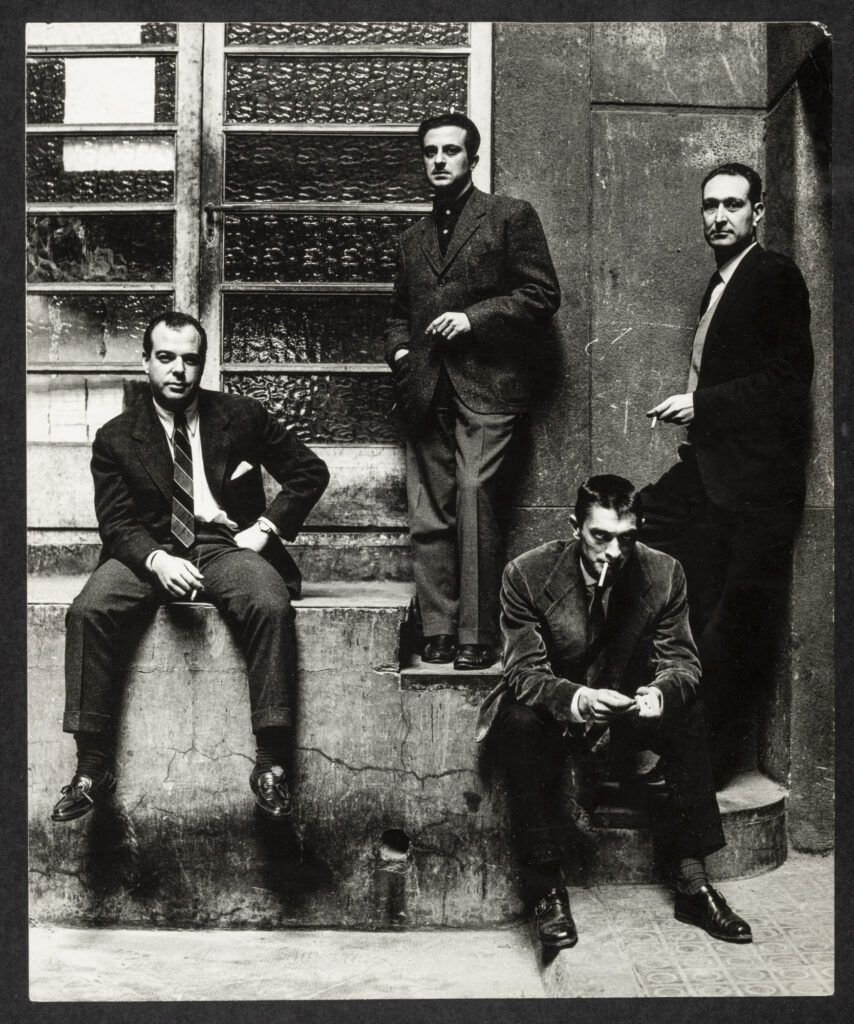
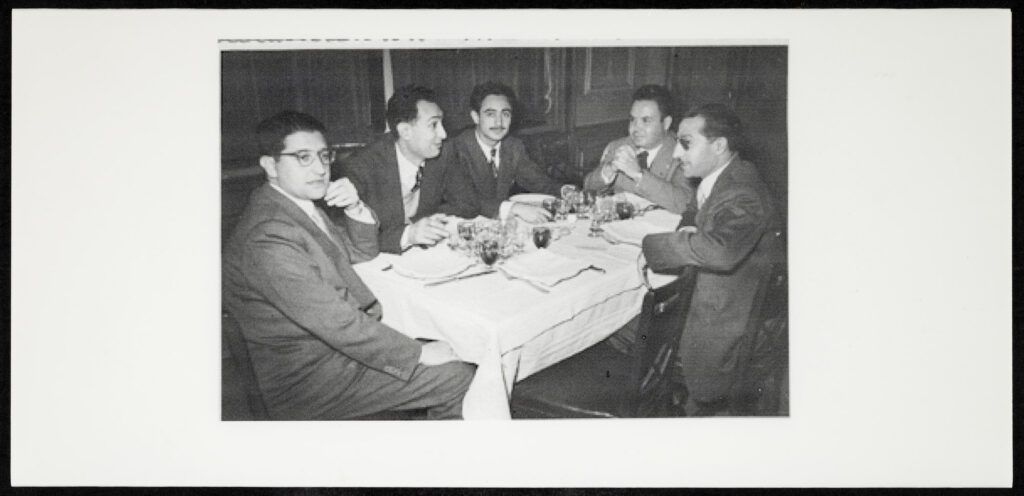
In the late 1940s, a group of restless, ambitious students, driven by a desire to carve out their own space in the literary world and seeking ways to establish themselves professionally, came together at the University of Barcelona’s Faculty of Law. Naturally gifted, they all went on, in one way or another, to become prominent figures in Spanish and Catalan literature. They included Jaime Gil de Biedma and Gabriel Ferrater, the two preeminent poets of their generation; Carlos Barral, the star publisher of the 1950s and 1960s; Joan Ferraté, one of the great literary critics of the second half of the 20th century; Manuel Sacristán, an influential philosopher and thinker; and Josep M. Castellet, a writer and editor of immense importance in shaping contemporary Catalan culture.

The creation of the Laye magazine and the association of nearly all of them with the Seix Barral publishing house were decisive factors in the launch of their professional careers.

The painters

After recovering from tuberculosis, an illness that required a nine-month stay at the Puig d’Olena Sanatorium between 1950 and 1951, Castellet returned home. He worked in his father’s office in the mornings and was required to rest in the afternoons. Living on the same landing of the apartment building on Carrer Còrsega where Castellet resided with his parents was a young widower with a newborn son; he had moved back in with his parents after his wife, a twenty-five-year-old woman, had died in childbirth. His name was Francesc Todó. He was four years older than Castellet and would keep the convalescent company for a long time. His friendship with Paco Todó, which would last a lifetime, introduced Castellet to a new circle of friends: painters. The group, which their respective partners gradually joined, consisted of Paco Todó and Isabel Garriga, Maria Girona and Albert Ràfols Casamada, Josep Guinovart and Maria Antònia Pelauzy, and Santiago Ferrer and Mercedes Joaniquet. This connection with painters, and with painting itself, would become a constant theme in the most intimate and personal aspects of Castellet’s life.

Collaborators and editorial advisers

The Edicions 62 catalogue cannot be the work of just one person. By the time I retired, the 62 catalogue already comprised 3,500 titles and no catalogue of that size reflects the work of a single individual. However, within the 62 catalogue, there is a core group of titles that truly represents my personal contribution, specifically, the literary collections: novels, poetry, and essays. I believe my thinking, or my literary philosophy, is embodied in three, four, or five of these collections; then there are other series, to which I can also contribute significantly, where the key lies in finding the right advisor. Regarding Catalan literature specifically, for instance, Joaquim Molas is one of the publishing house’s key figures. (…) I believe that one of the most important qualities of a publisher is not trying to do everything oneself but rather collaborating with competent advisers.

Joaquim Sabrià, at the helm of the commercial department since December 1982.

Marisa Trigo, coordinator of the Història gràfica de la Catalunya dia a dia

Home

Home

The critic and the essayist

The critic and the essayist