The publisher
15 min read
Beginnings
It must be said that the publishing house’s editorial office, in those early days, was a chaotic hub of activity. We were all primarily dedicated to politics, an activity that was, at the time, unfortunately futile or, at the very least, merely symbolic. The office was a place of constant conversation, frequented by writers, amateur politicians and figures of ambiguous background—who later faded into obscurity—all proposing implausible or impossible literary and subversive projects. For every minute of productive publishing work, we spent hours on political gossip, drafting protest documents and gathering signatures, and, worst of all, engaging in endless ideological debates that, naturally, led nowhere. Nevertheless, that experience was part of our political education… and, looking back years later, a cherished memory.
Interview with Josep M. Castellet, L’Avenç, 300 (March 2005)
The making of a publisher
Castellet’s first venture into the printed book sector was the founding of the Impremta Frontis printing house, alongside publisher Joaquim Horta and Francesc Todó, who handled the graphic design. They set up the print shop in the David Building on Barcelona’s Carrer Aribau in 1956. They were forced to close in 1963 due to financial difficulties.


He achieved the financial independence that would finally allow him to marry Isabel Mirete and break away from his father’s law firm for good in 1956–57, thanks to a former university classmate, Joan de Déu Trias de Bes, who offered him the directorship of a legal publishing house, Praxis, which was to focus on updating legal reference works, following the model of a French publisher of the same name, with funding provided by Ramon Guardans.
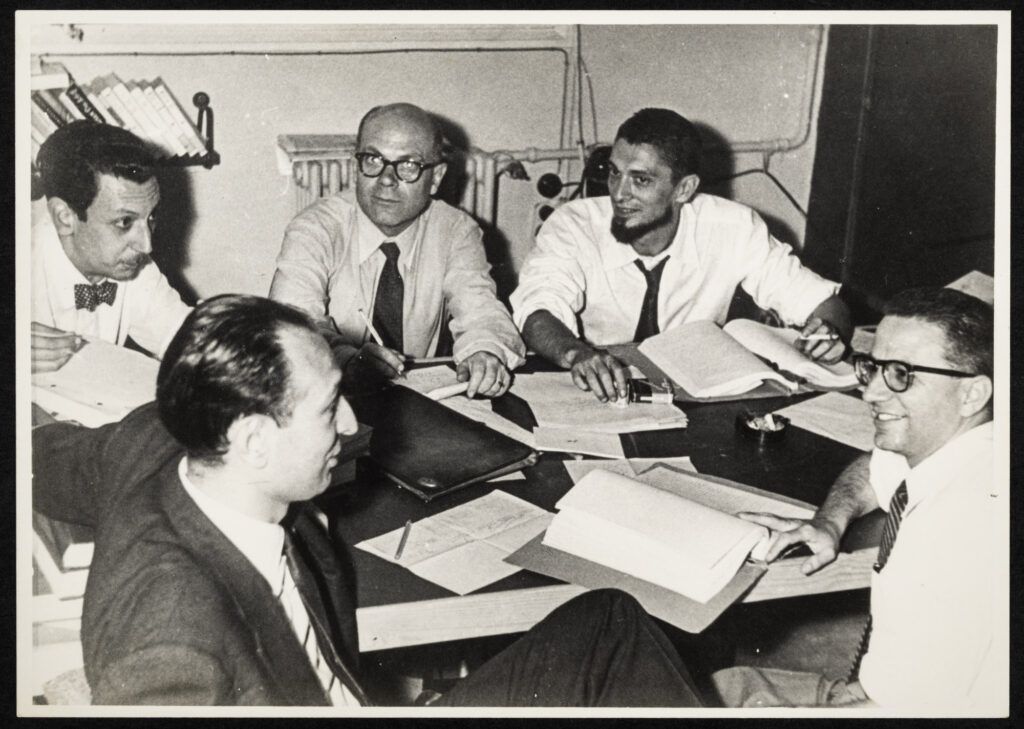
However, he would acquire his true training as a publisher by serving—between 1955 and 1967—on the editorial board of Seix Barral. Following the model of publishers like Einaudi and Gallimard, Carlos Barral organized an editorial board for a publishing house that was beginning to publish two series that played a key role in transforming the literary tastes of the era: Biblioteca Breve (1954) and Biblioteca Formentor (1960).
The editorial board consisted of Carlos Barral, Joan Petit (the publishing house’s literary director), José M. Valverde, Antoni Vilanova, Margarita Fontserè, Gabriel Ferrater, Jaime Gil de Biedma and Josep M. Castellet.


The literary director of Edicions 62
When Max Cahner and Ramon Bastardas founded Edicions 62 in 1962, they asked the controversial anthologist for a work on Catalan poetry equivalent to his Veinte años de poesía española (1959). Castellet could not undertake the project alone, as his knowledge of the subject was insufficient for such an ambitious venture. His previous approaches to Catalan literature had been primarily sociological; he had not yet analysed specific authors and texts. It was then that he sought the collaboration of Joaquim Molas; together, in 1963, they published Poesia catalana del segle XX, a work that became the definitive text for critics aligned with the realist movement. And Castellet, this time accompanied by Molas, found himself once again at the centre of controversy.
This initial collaboration with Edicions 62 culminated in 1964 when Cahner, drawn to Castellet’s profile due to his ties to the cosmopolitanism of Seix Barral and the Formentor Prizes, offered him the role of literary director at the fledgling publishing house, which at that time had released no more than twenty titles. Castellet was embarking on an adventure that he found far more interesting and appealing than the security offered by Praxis, the legal publishing firm where he had earned his living until then. It was certainly a complicated undertaking, too: in late 1969, the management of the Gran Enciclopèdia Catalana, Edicions 62’s flagship project, triggered the company’s first major financial crisis, which was resolved through a complete separation of the Enciclopèdia from the publishing house. Castellet and Bastardas remained at Edicions 62, where they had to tackle the company’s recovery through a vital reorientation of the catalogue necessitated by the new economic situation.


Iconic collections from the early catalogue


Reorienting the catalogue
While Castellet had previously been a salaried literary director, in this second phase he would become a business-minded publisher. He undertook a major reorientation of the editorial strategy: on one hand, he had to slow the pace of the most prolific series (Antologia Catalana, El Balancí, Llibres a l’Abast), halving the number of titles published annually, and scale back world literature in favour of publishing almost exclusively Catalan authors. On the other, he radically overhauled the catalogue, discontinuing several series and introducing others along two concurrent lines: bookstore sales and instalment-plan sales. In the bookstore market, the focus shifted to low-cost books; meanwhile, a new editorial line was launched in 1973: illustrated books. Although they required a much larger investment, these large-format, high-priced volumes opened up a crucial new sales channel for the company: instalment-plan sales.
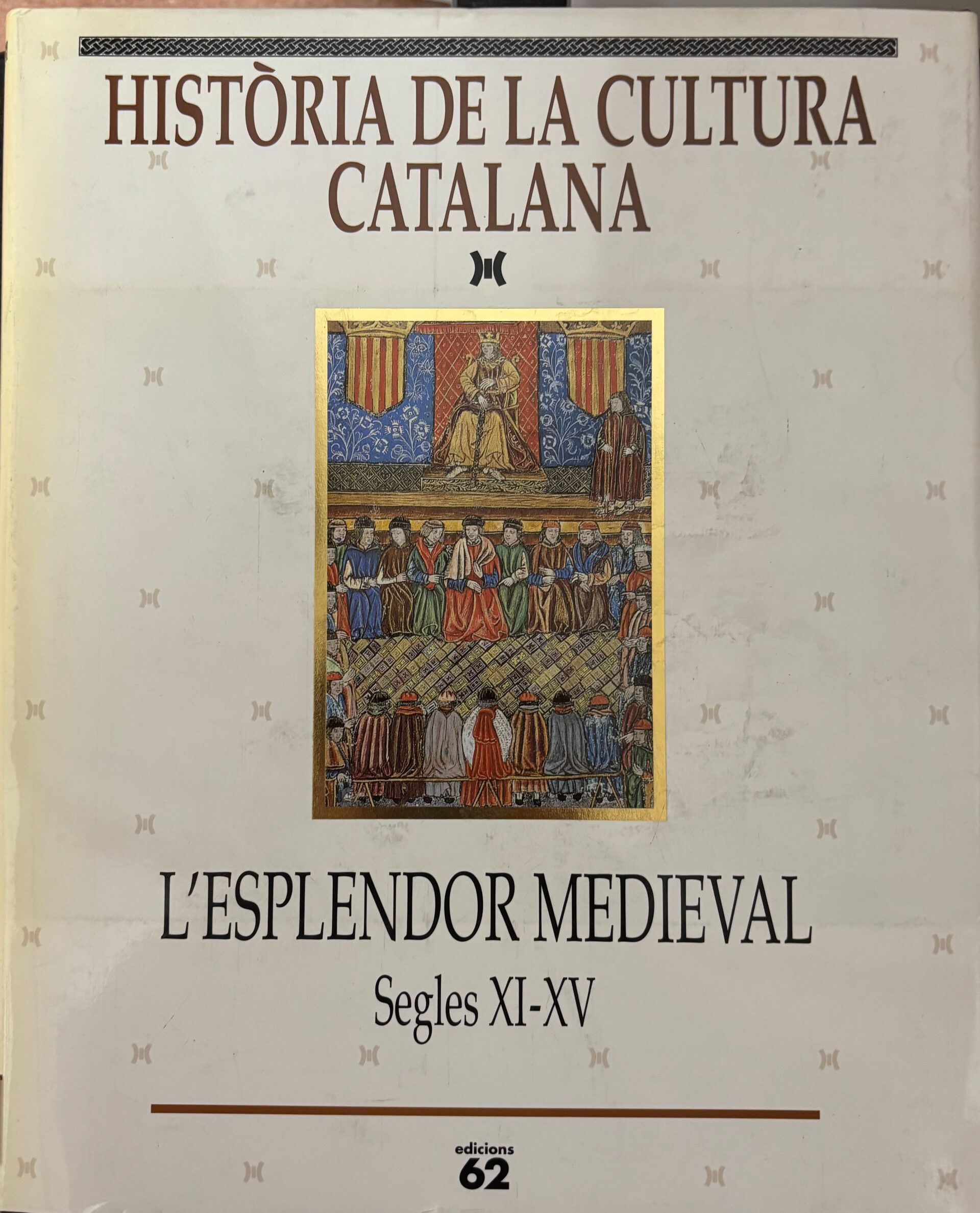
With Joaquim Sabrià taking charge of the commercial division, this line received a major boost, leading to the creation and production of works such as Història de l’art català, Història de Catalunya or Història de la cultura catalana.
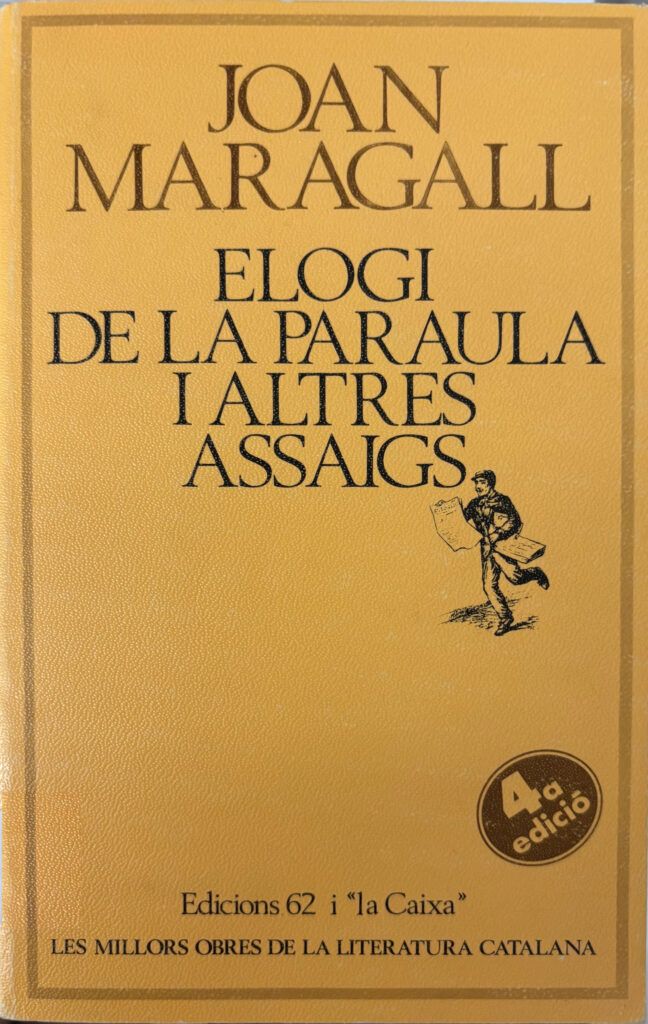
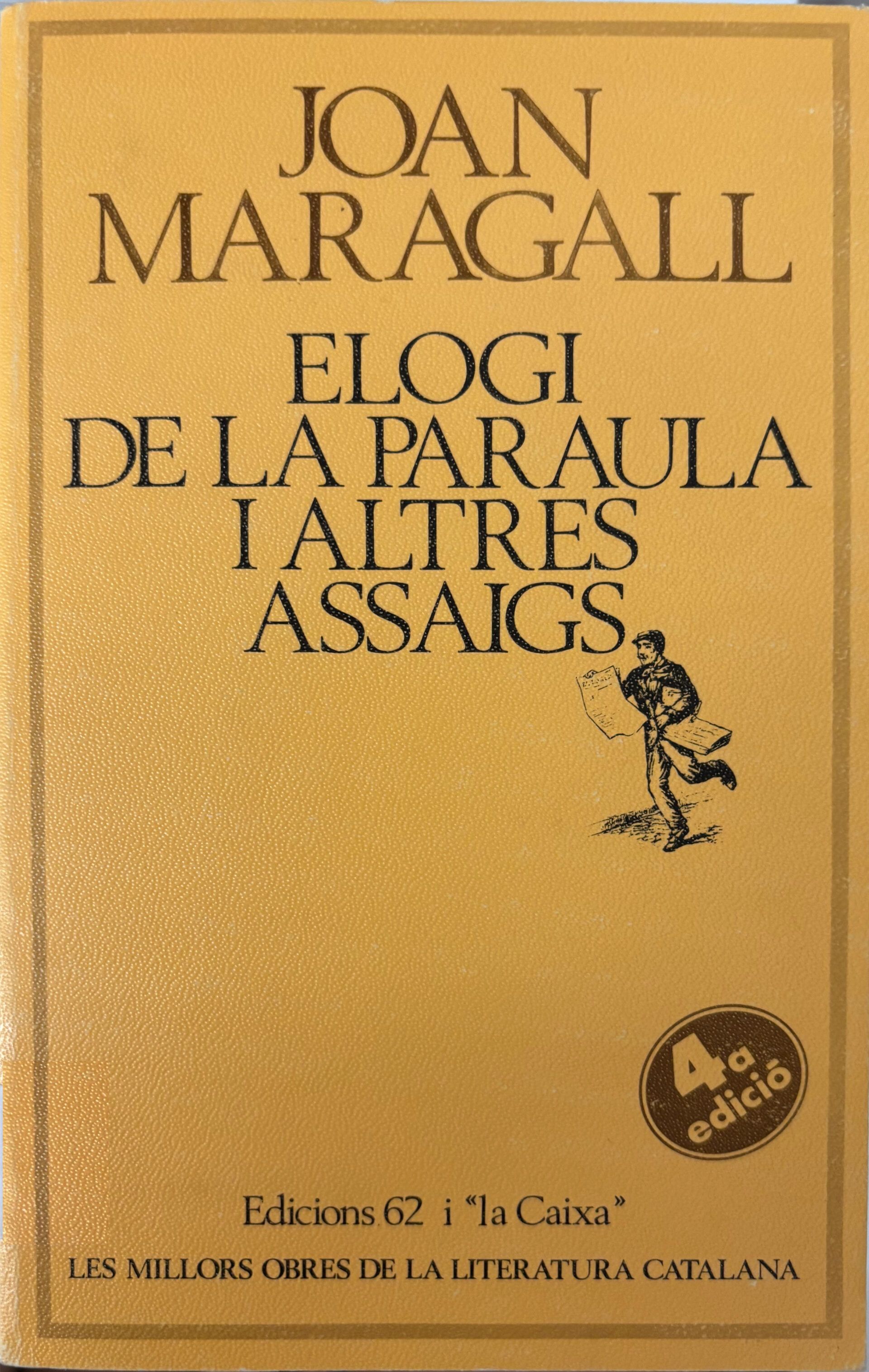
Finally, Edicions 62 found itself in an ideal position to launch the ambitious Les Millors Obres de la Literatura Catalana (MOLC) collection, a long-standing project of Joaquim Molas’s that, until then, no one had felt ready to undertake: a finite series of one hundred titles, released at a rate of one volume per month, offering a comprehensive overview of the Catalan literary tradition, effectively a canon.
Within a few years, Castellet and Bastardas succeeded in relaunching the publishing house, maintaining the vision with which it had been founded: to address the fundamental gaps in the Catalan publishing market and to align with a European, cosmopolitan publishing model by creating a multidisciplinary catalogue that embraced all fields of culture and every format of the book. By the time Castellet retired as literary director in 1996, the catalogue had reached 3,500 titles. His connection to the company continued through his role as chairman, starting in 1999, of the new Grup 62.
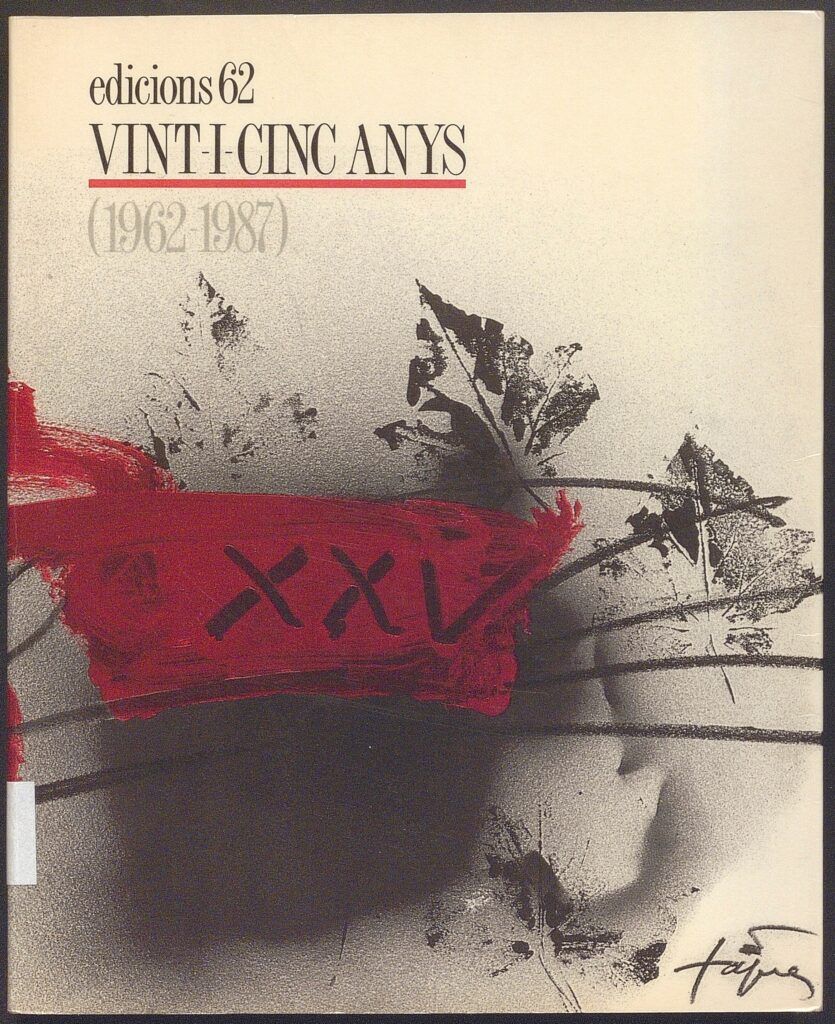
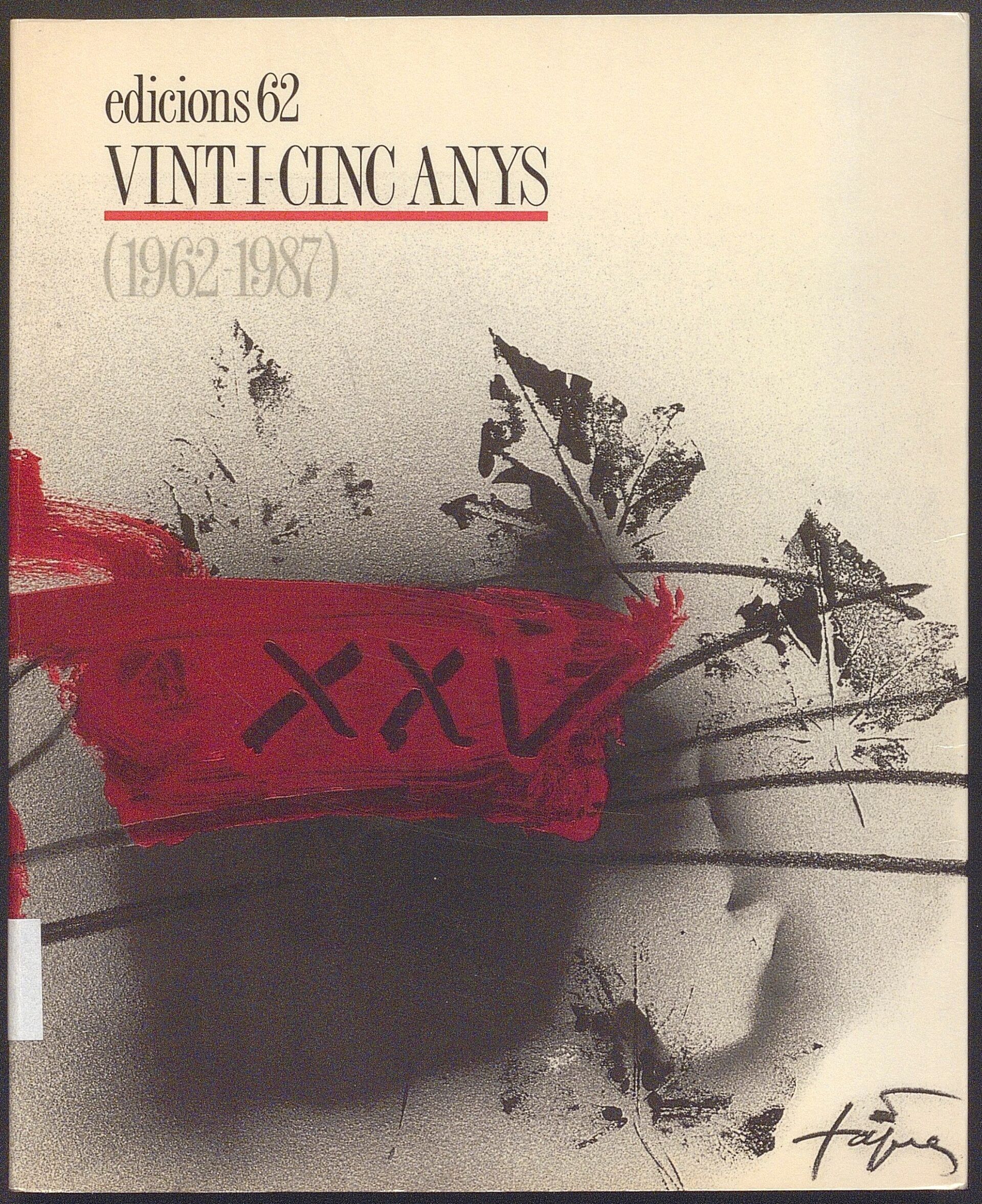
Edicions 62. Vint-i-cinc anys
Vint-i-cinc anys (1962-1987). Barcelona: Edicions 62, 1987.
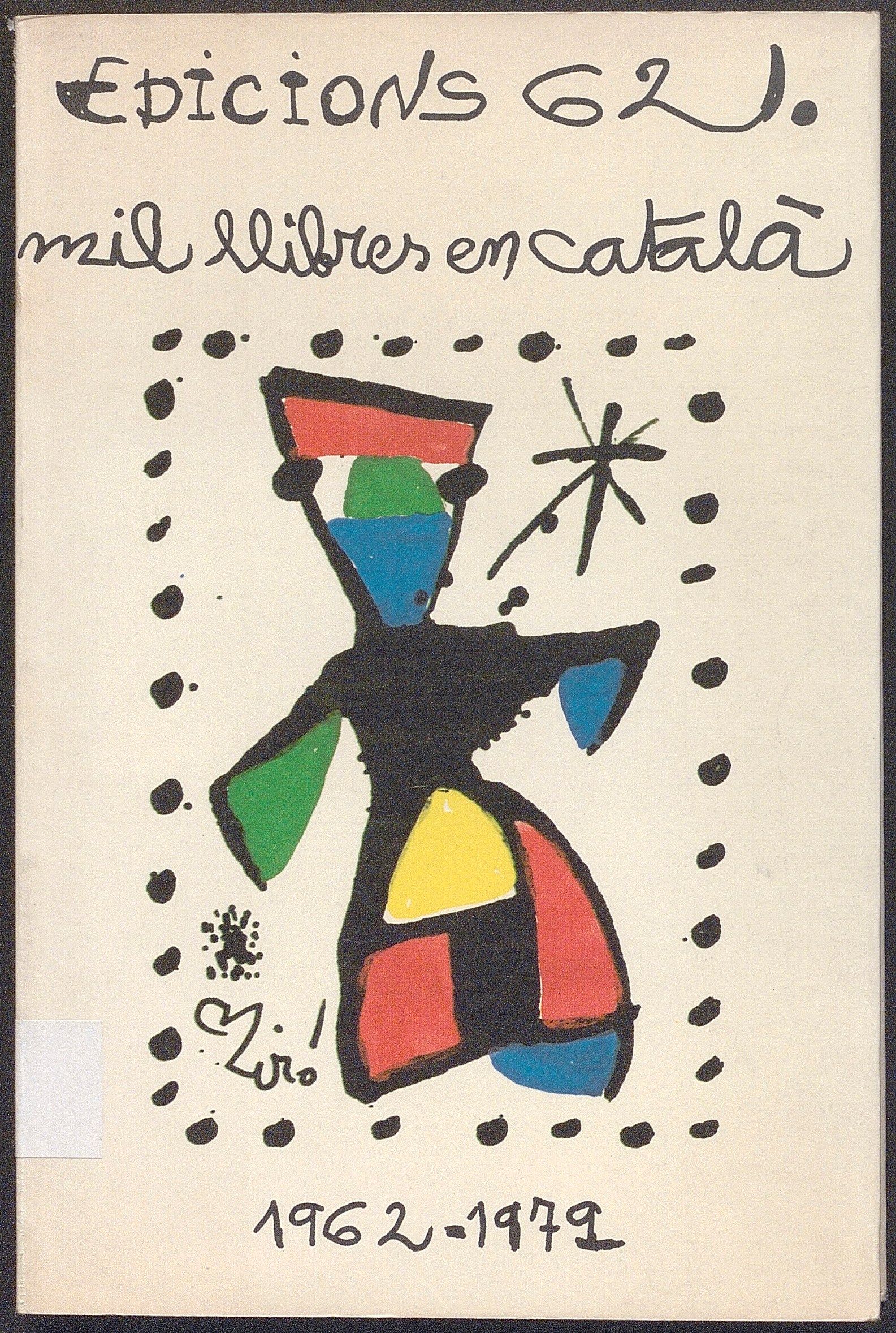
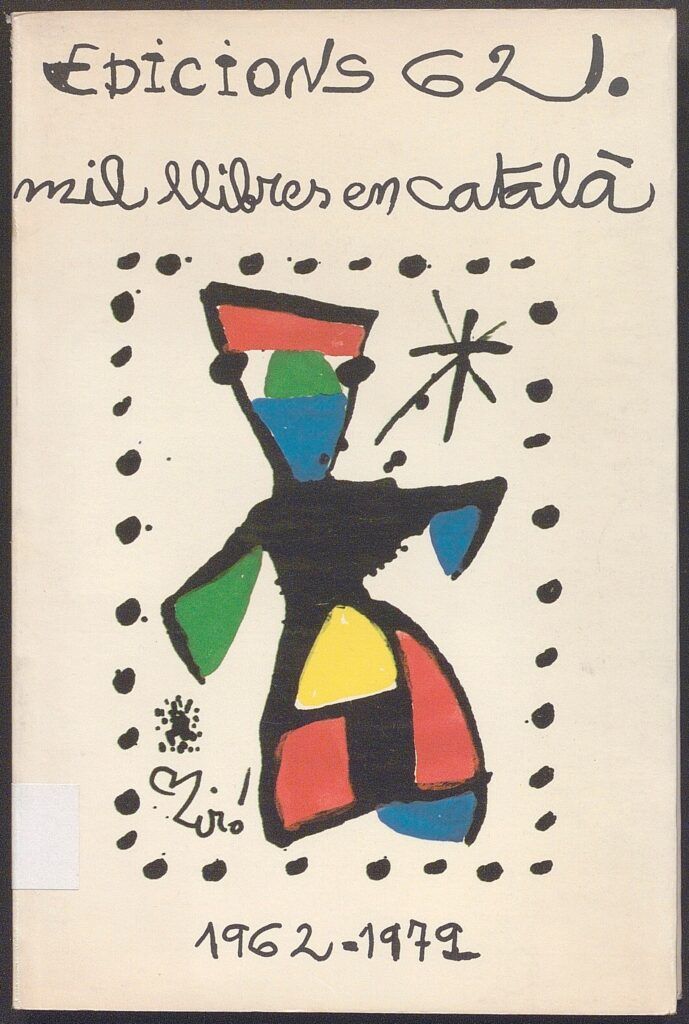
Edicions 62. Mil llibres en català

Edicions 62. Mil llibres en català. Barcelona: Edicions 62, 1979.
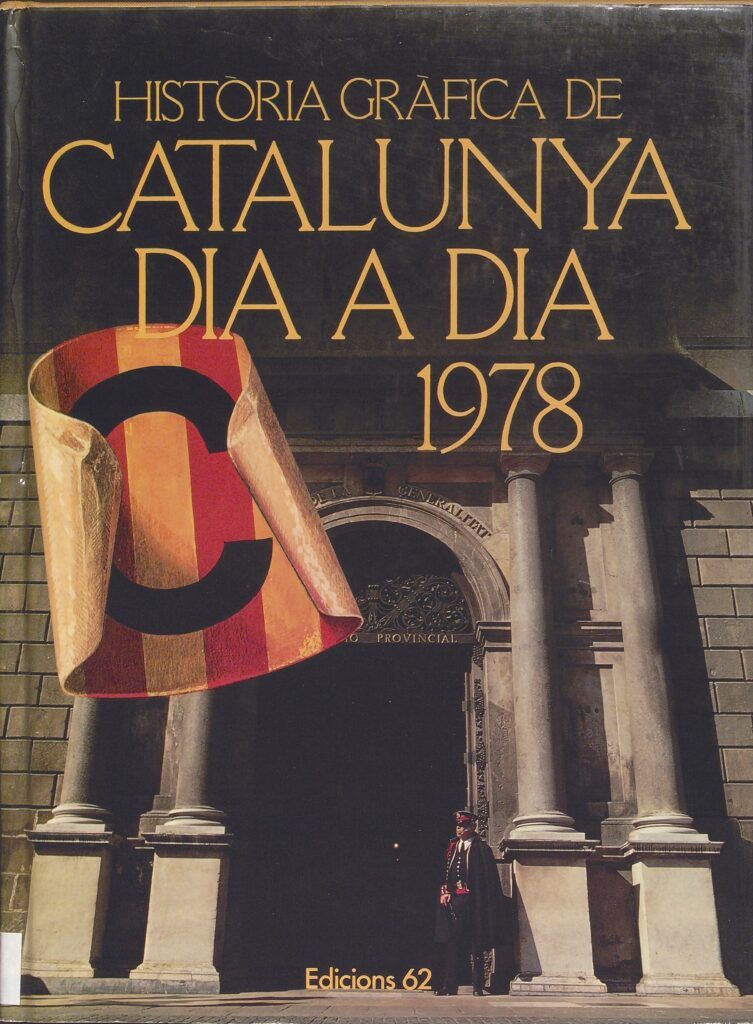
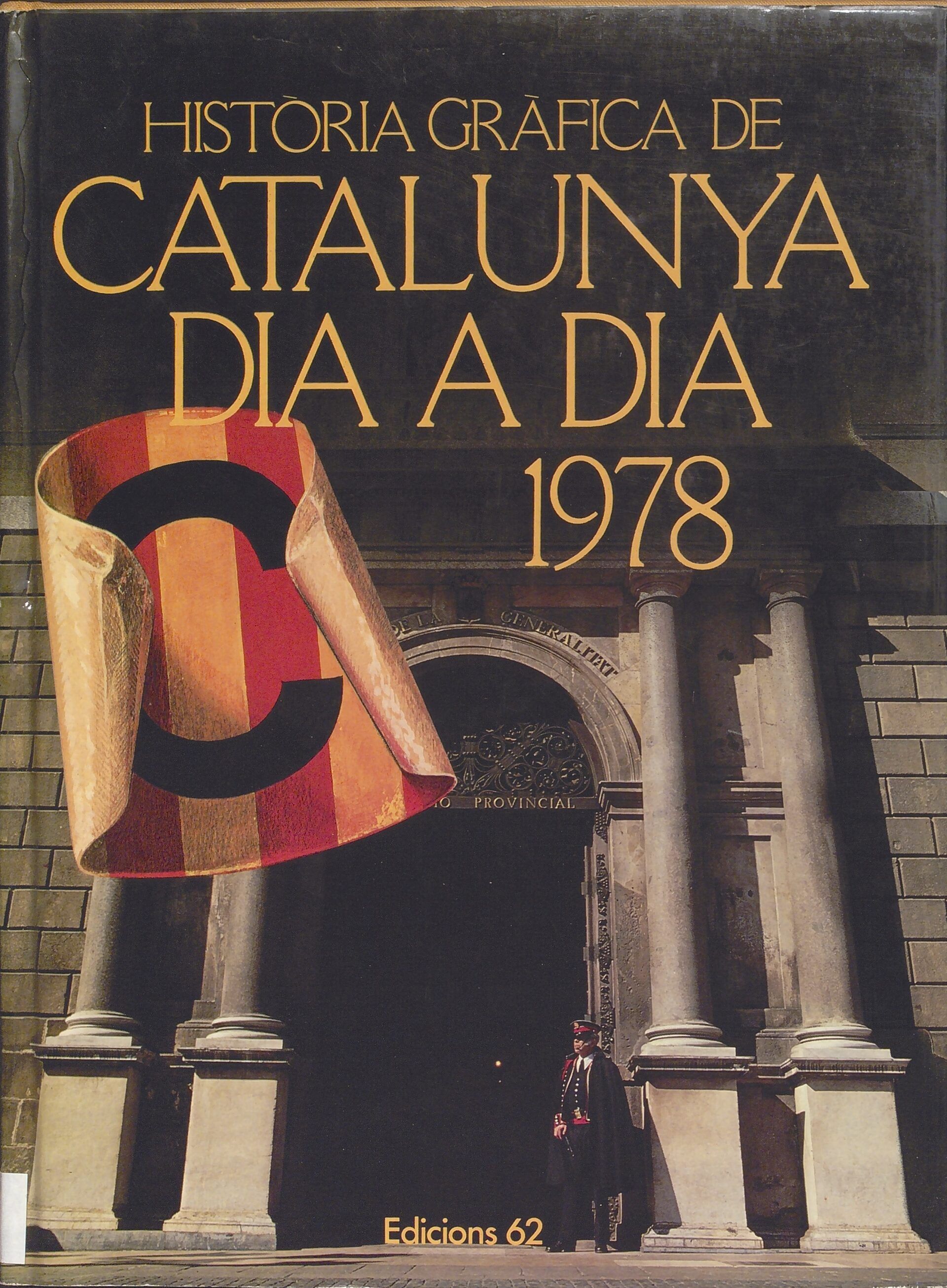
Història gràfica de Catalunya dia a dia
Història gràfica de Catalunya dia a dia (coordinated by Marisa Trigo)
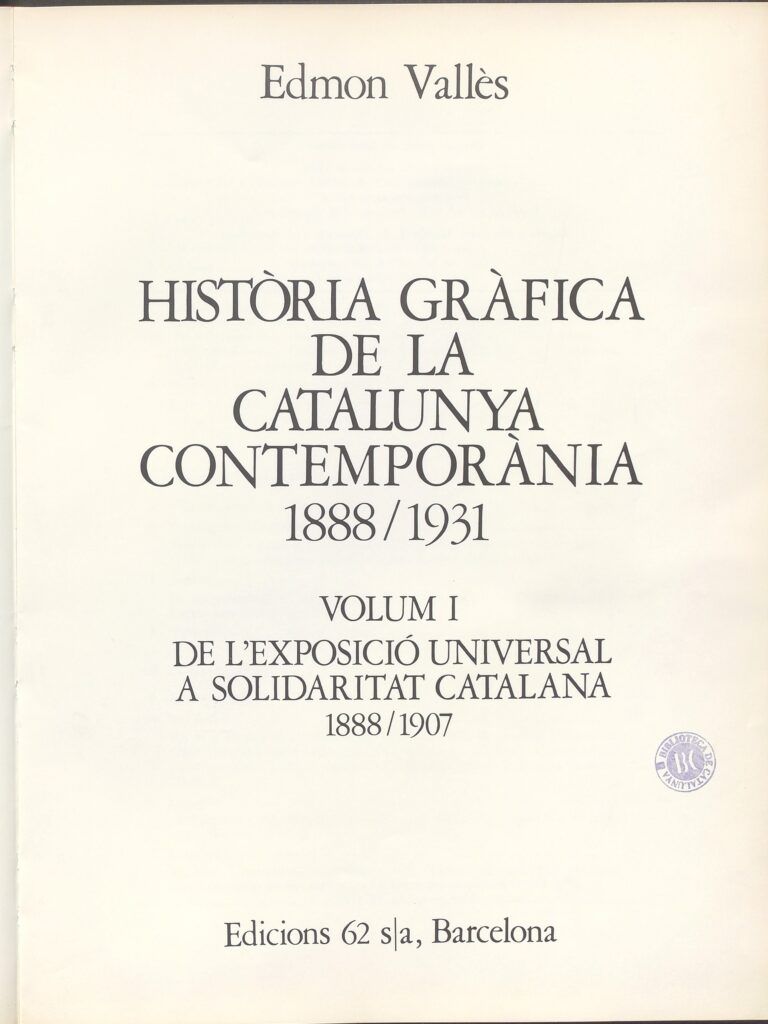
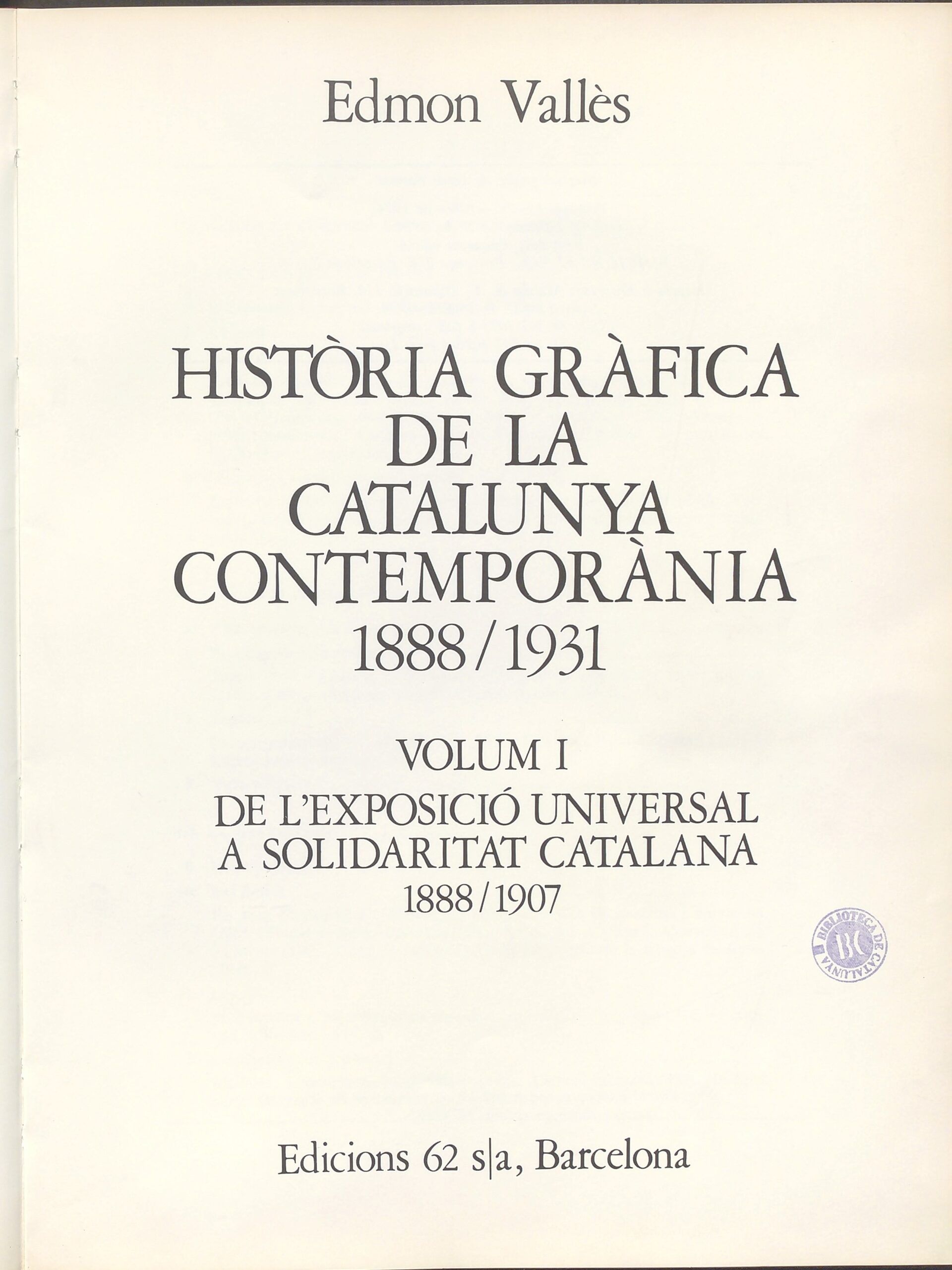
Història gràfica de la Catalunya contemporània
Història gràfica de la Catalunya contemporània by Edmon Vallès
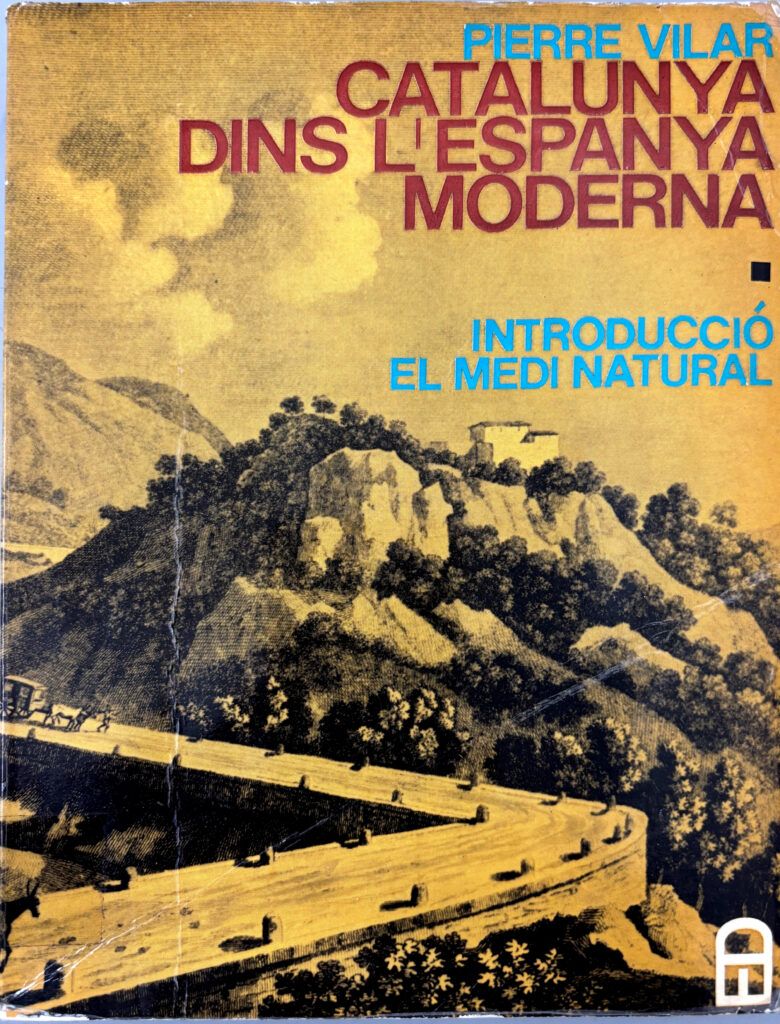
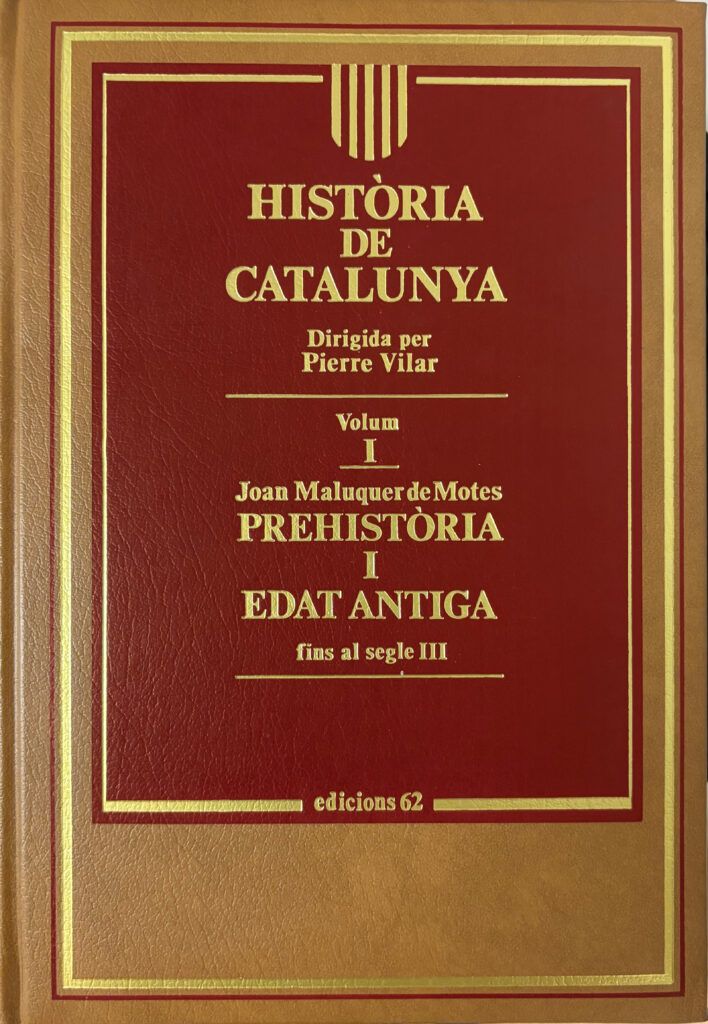
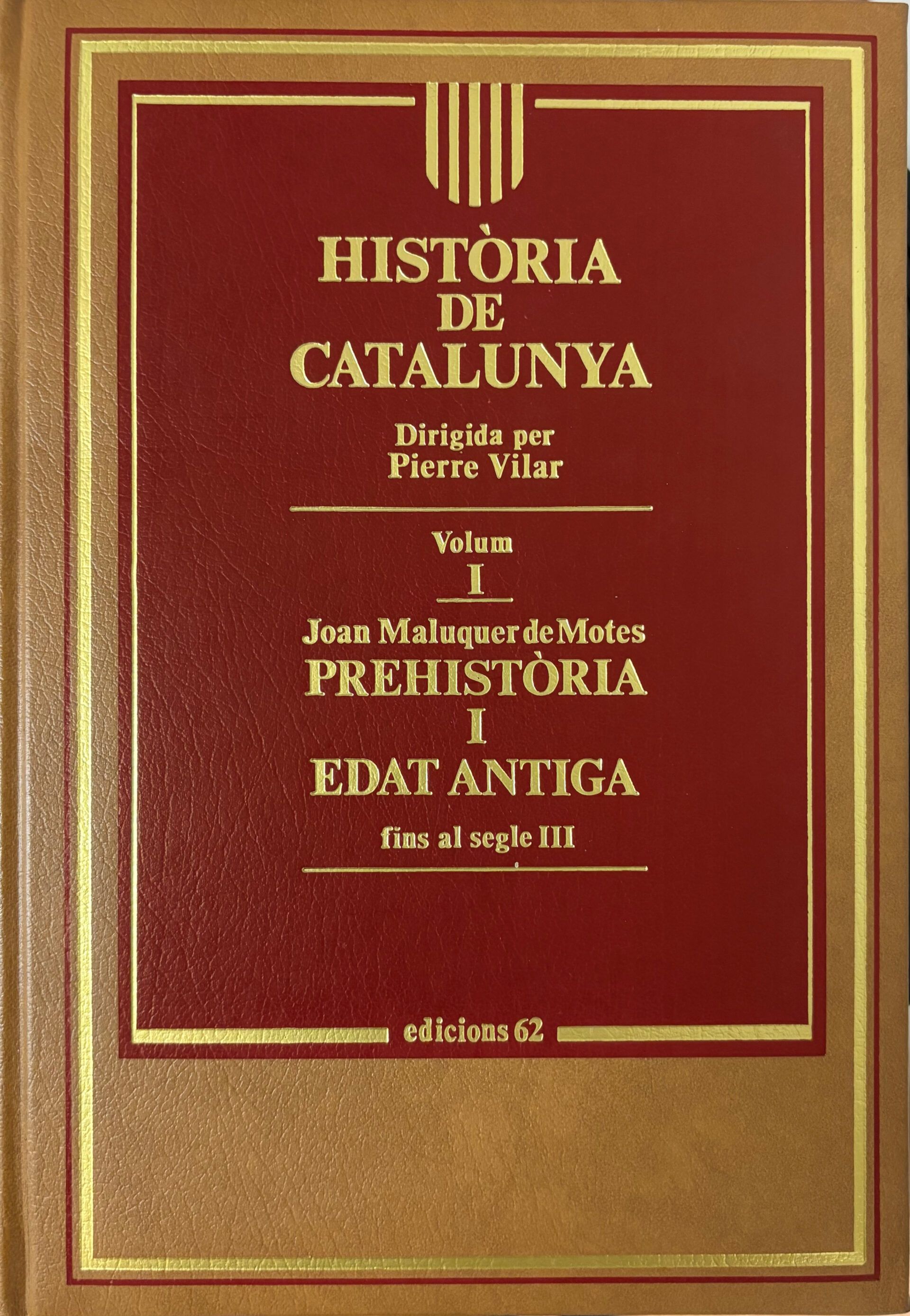
Història de Catalunya
Història de Catalunya (directed by Pierre Vilar and coordinated by Josep Termes)
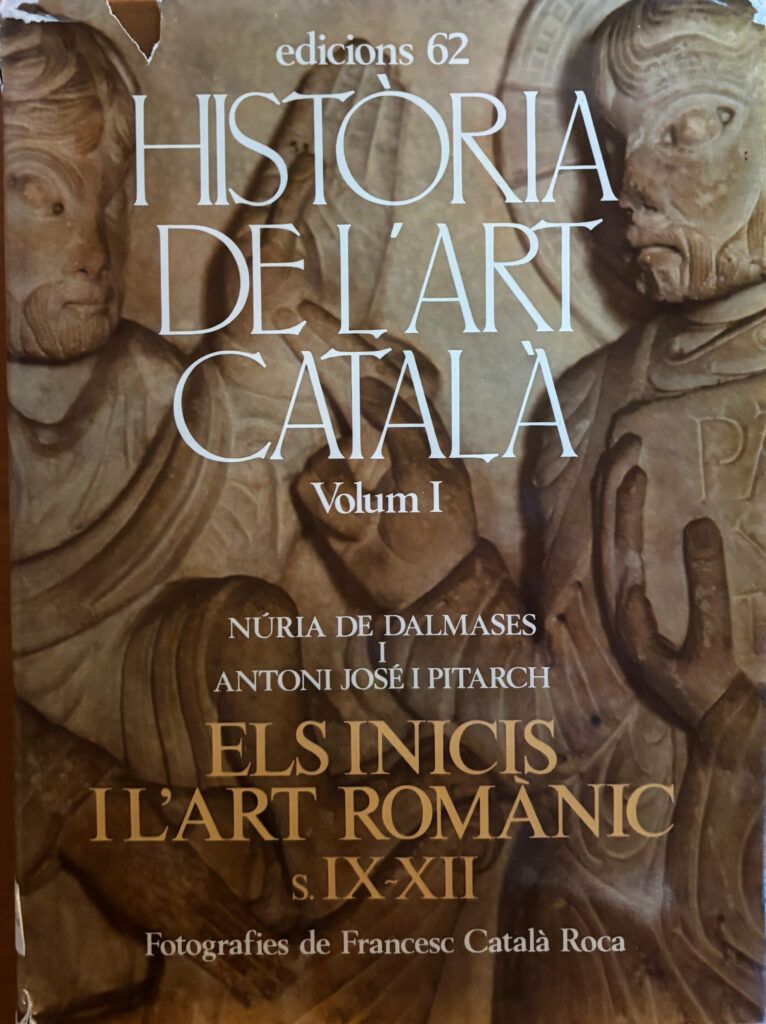
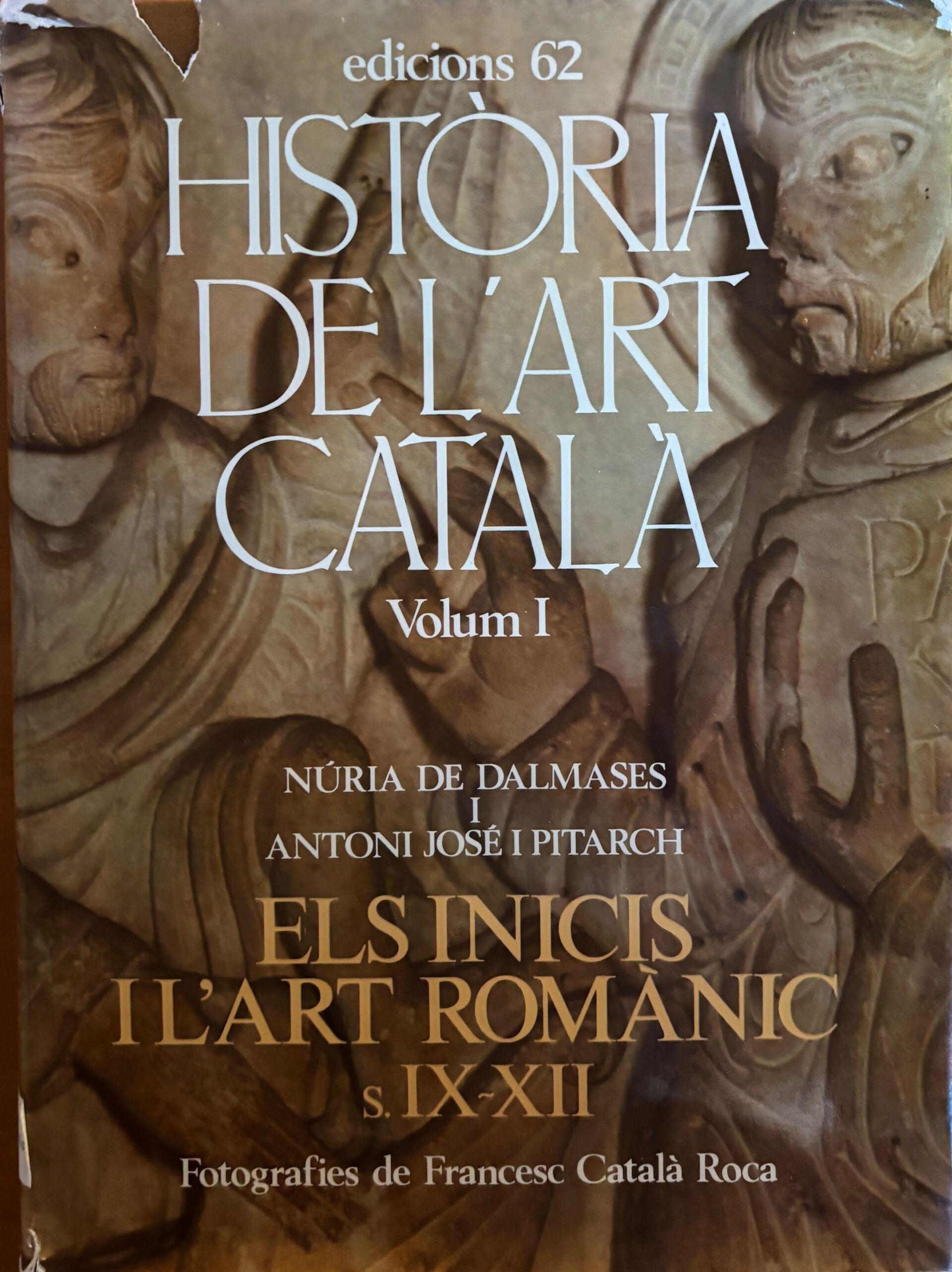
Història de l’art català
Història de l’art català (coordinated by Francesc Miralles)
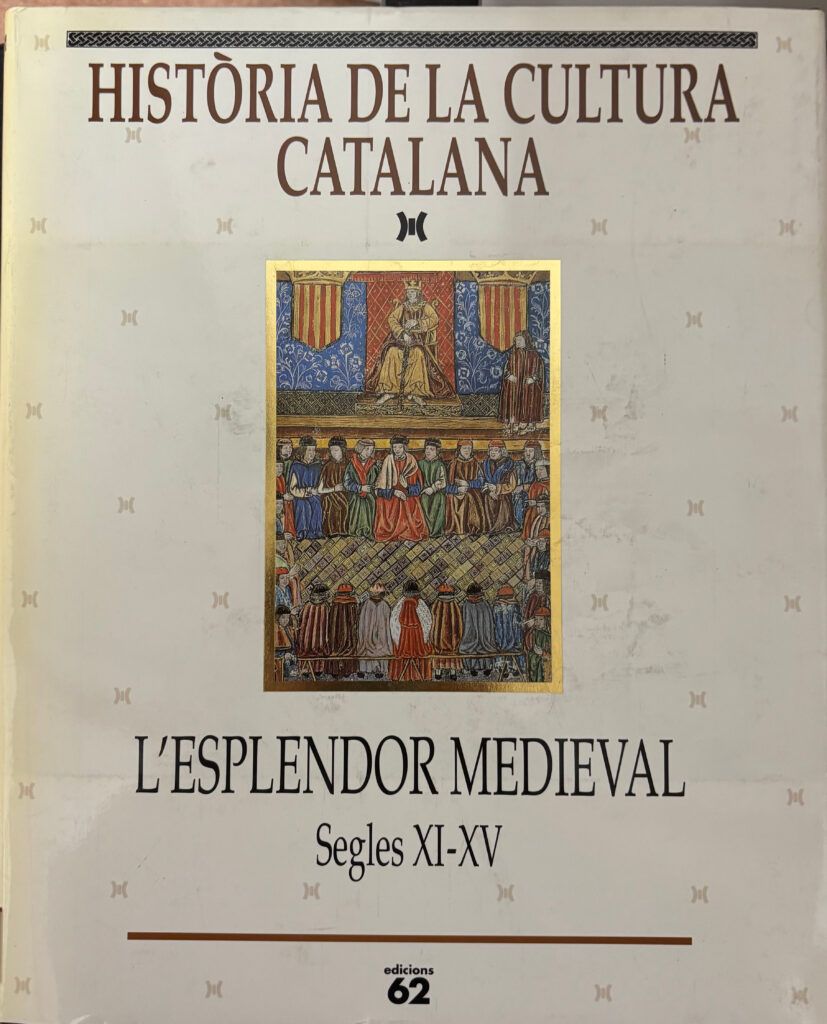
Història de la cultura catalana
Història de la cultura catalana (directed by Pere Gabriel)
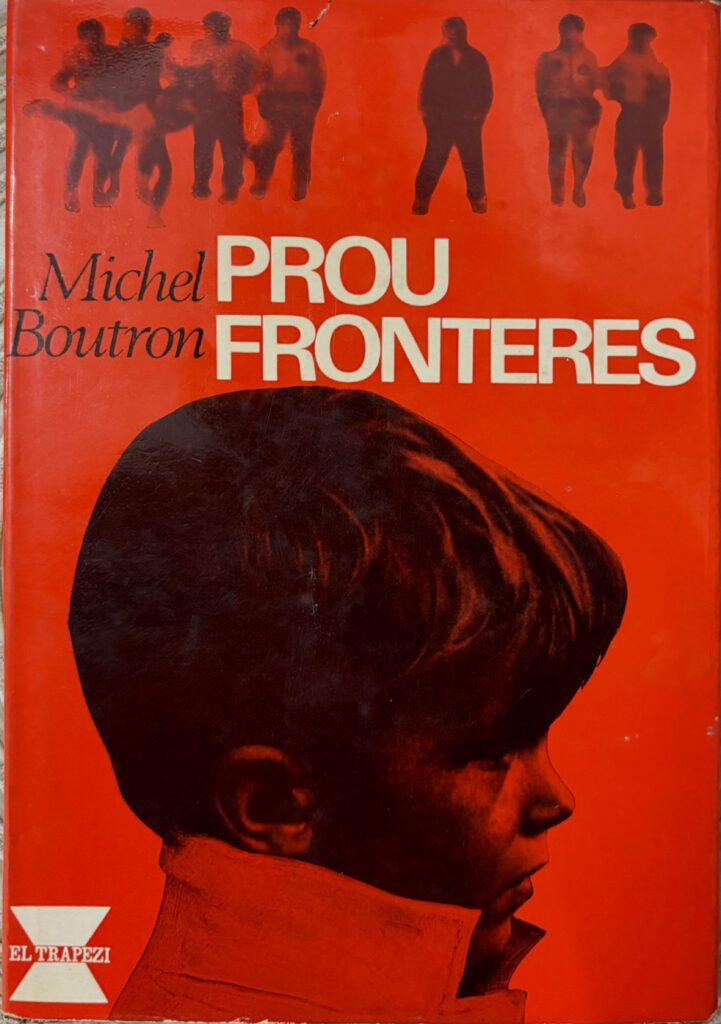
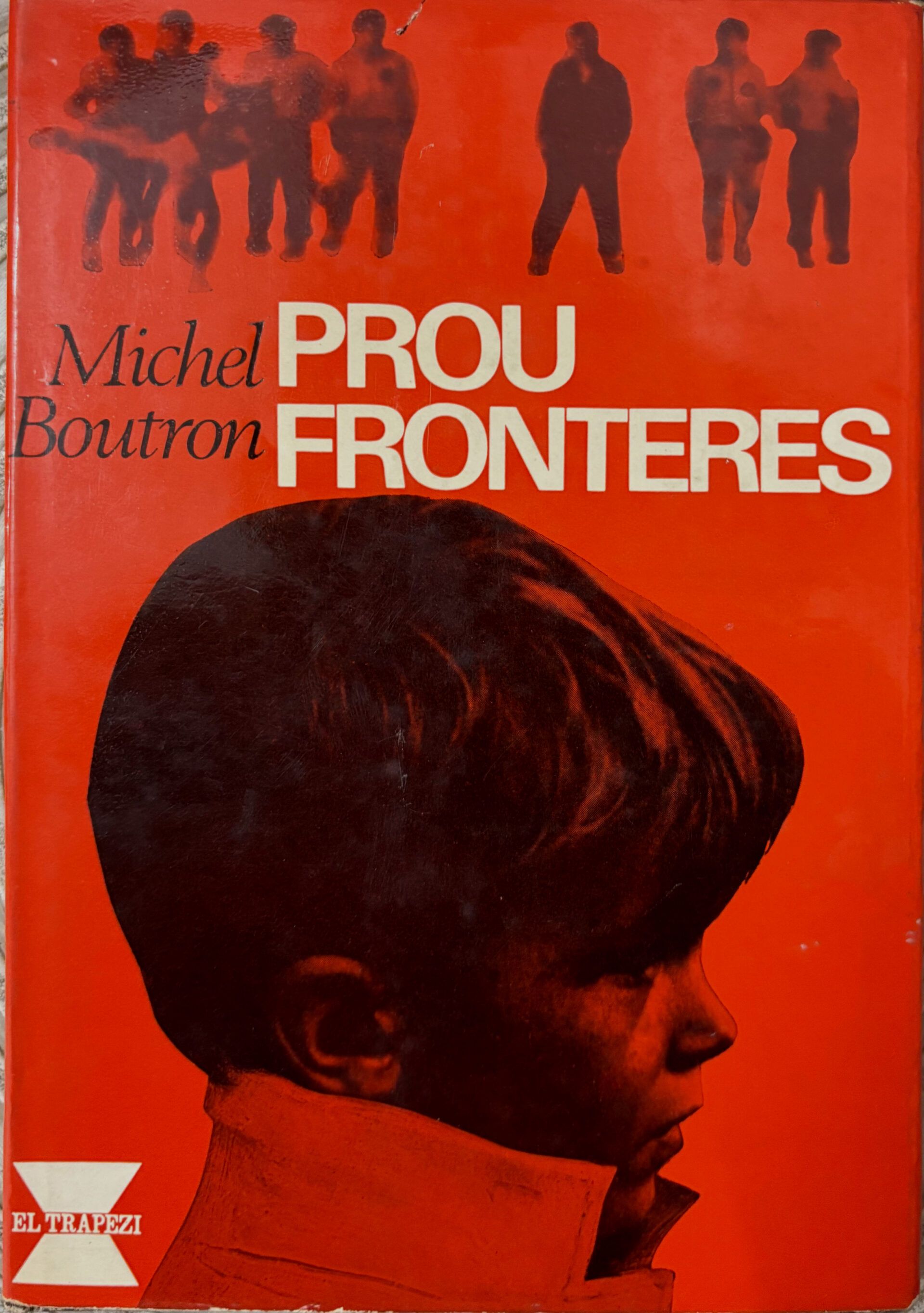
El trapezi
El trapezi (young adult fiction)
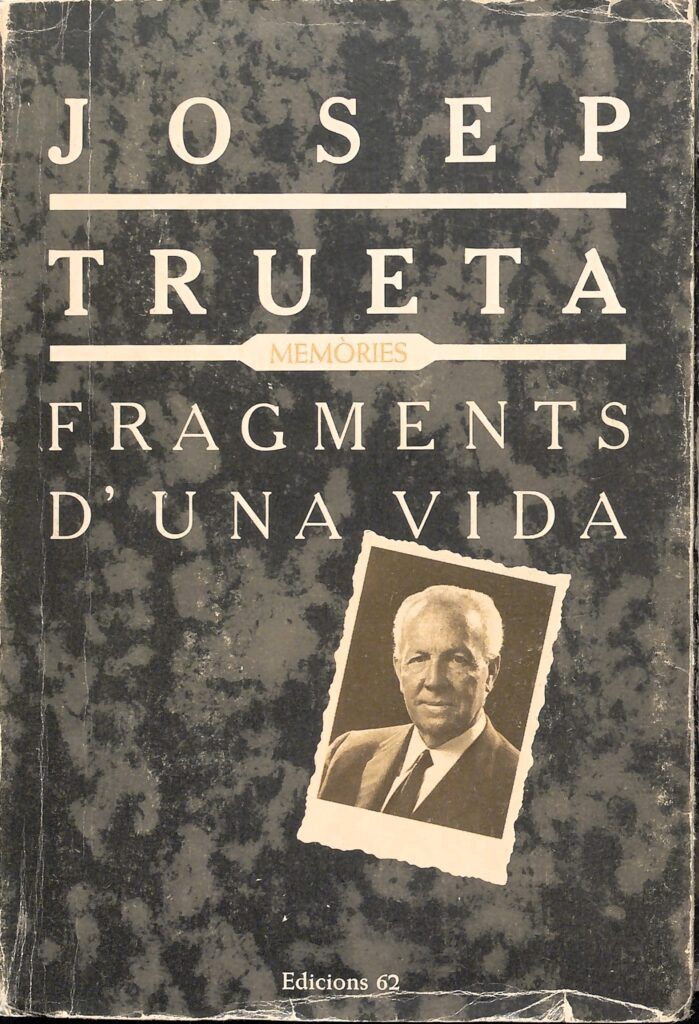
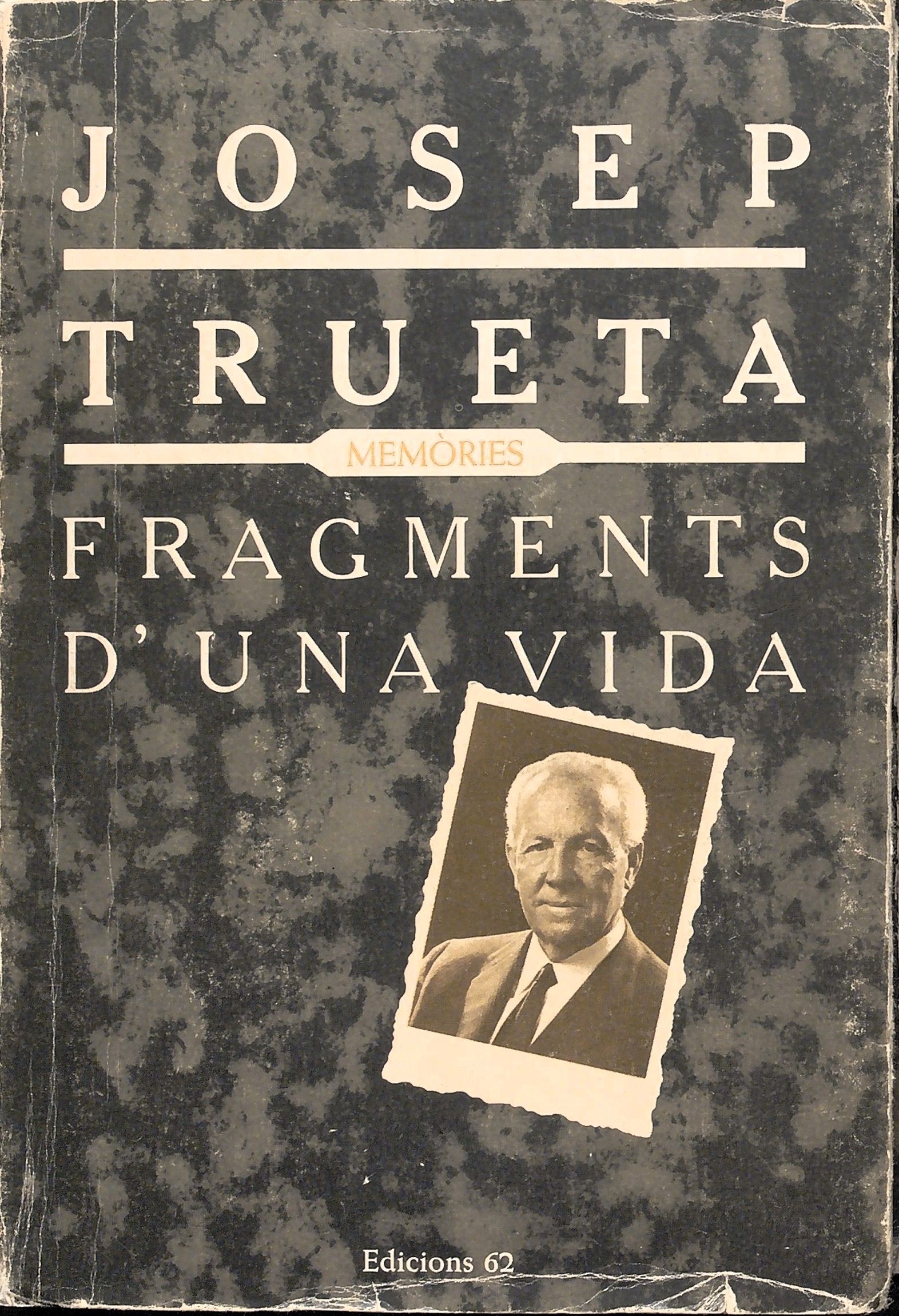
Biografies i memòries
Biografies i memòries (Castellet’s most personal collection)
MOLC
MOLC (directed by Joaquim Molas)
Biblioteca Bàsica de Cultura Contemporània
Biblioteca Bàsica de Cultura Contemporània (international philosophical and scientific thought, 25 volumes between 1966 and 1967)
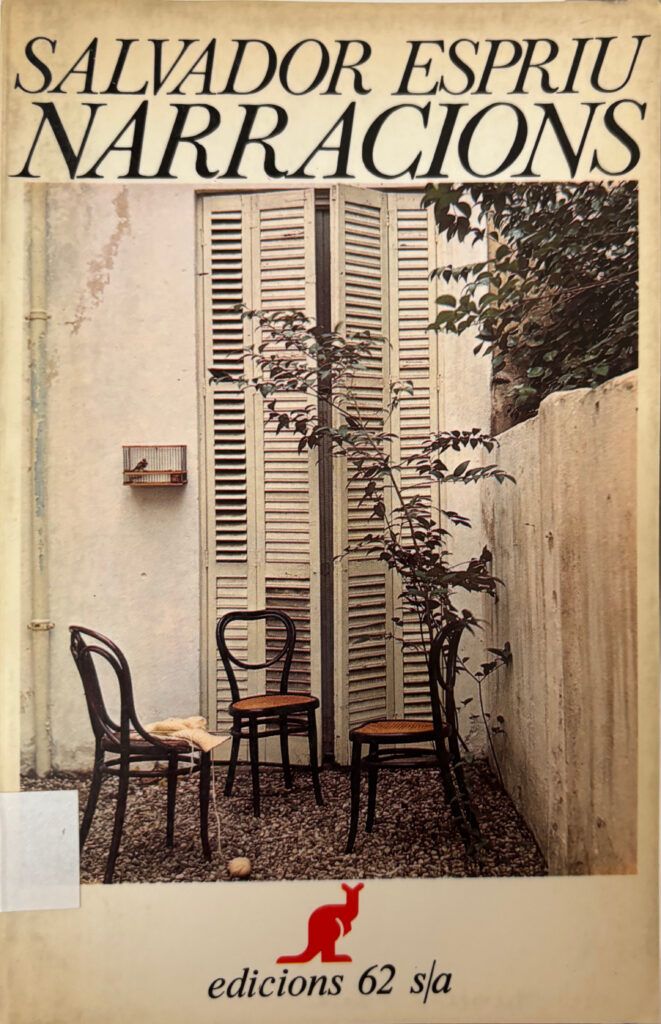
El cangur
El cangur (the first pocket-book series in the Catalan publishing market)
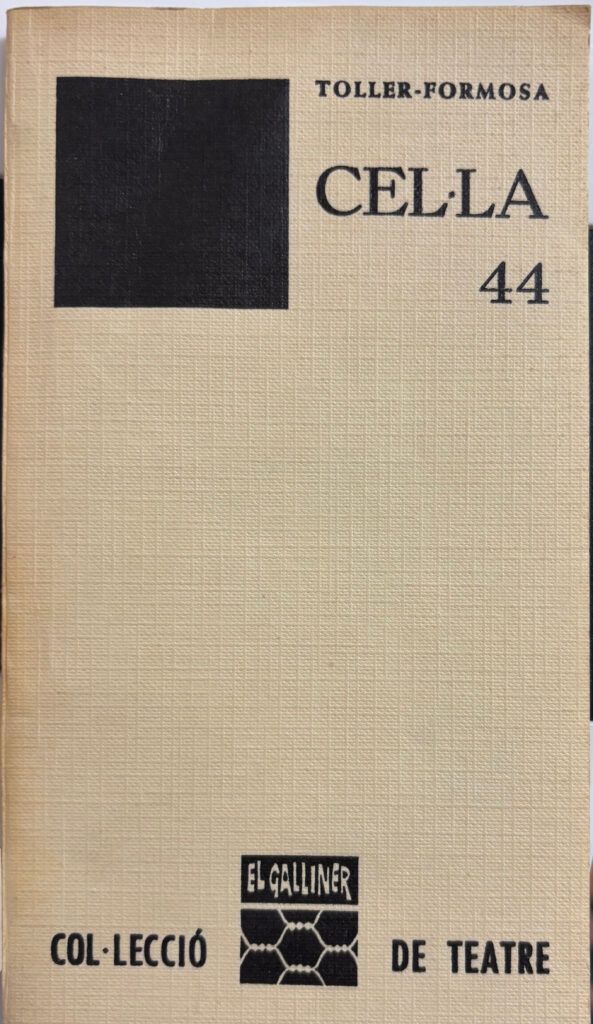
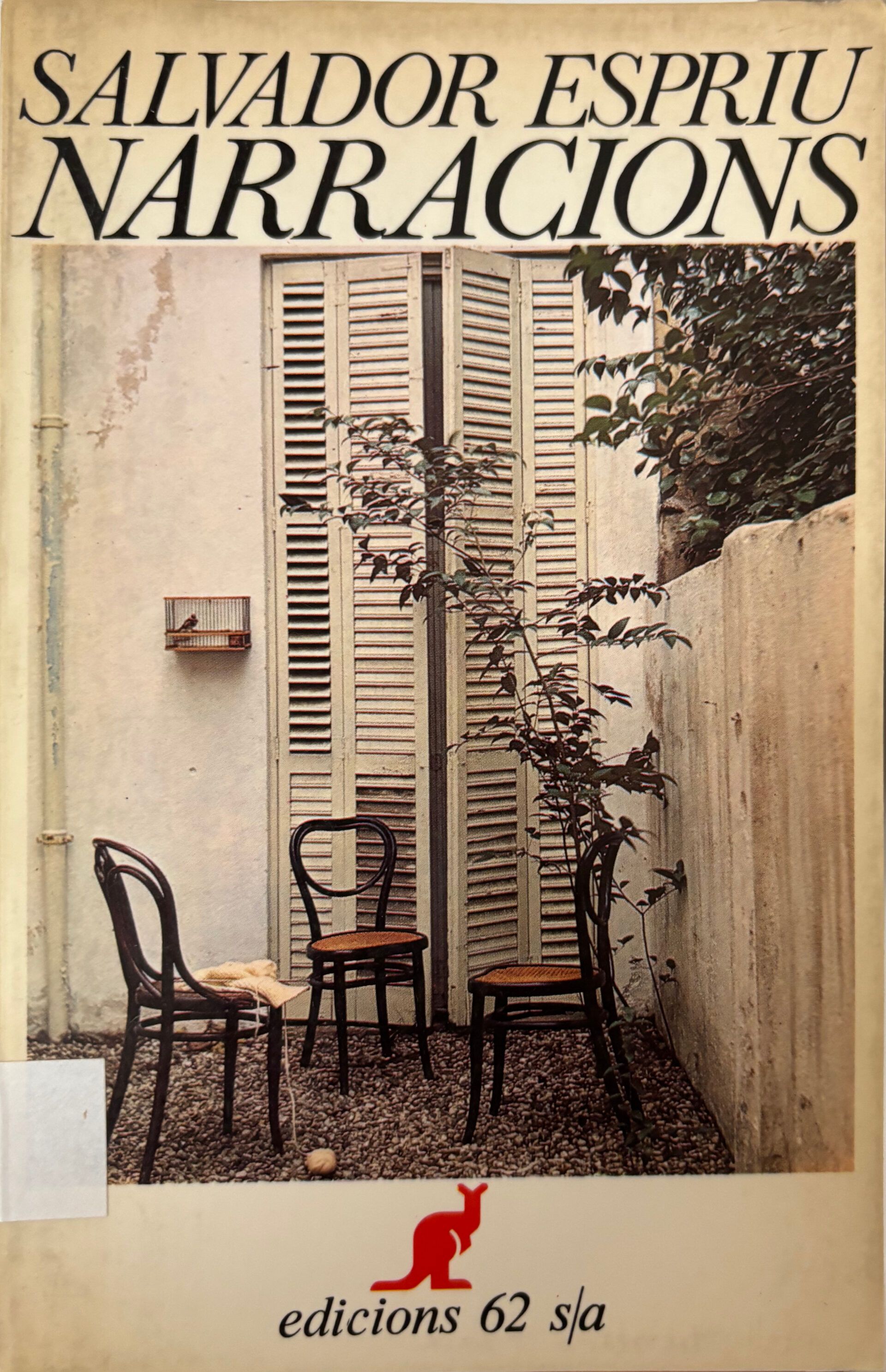
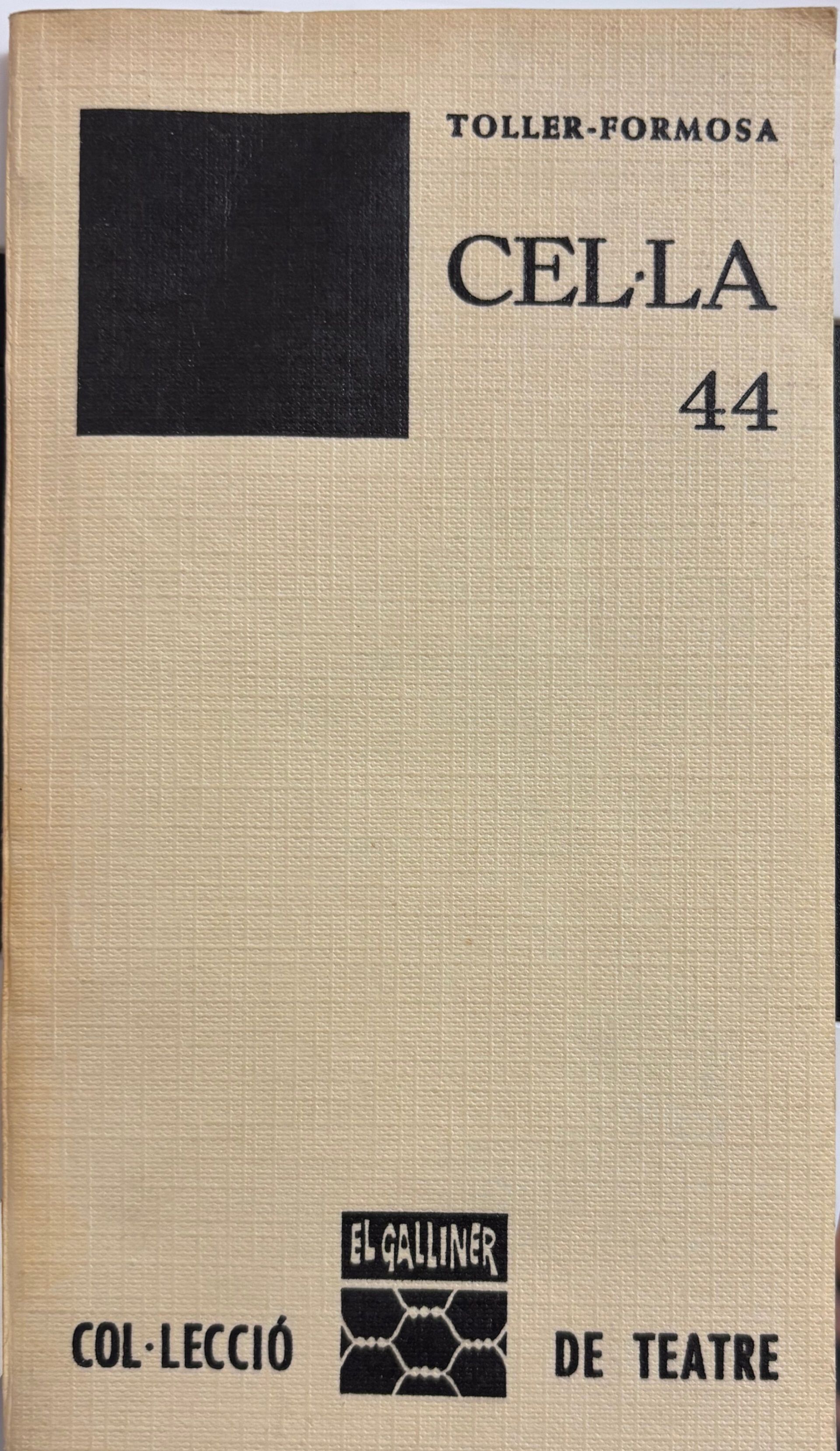
Escorpí / Teatre
Escorpí/Teatre (directed by Xavier Fàbregas)
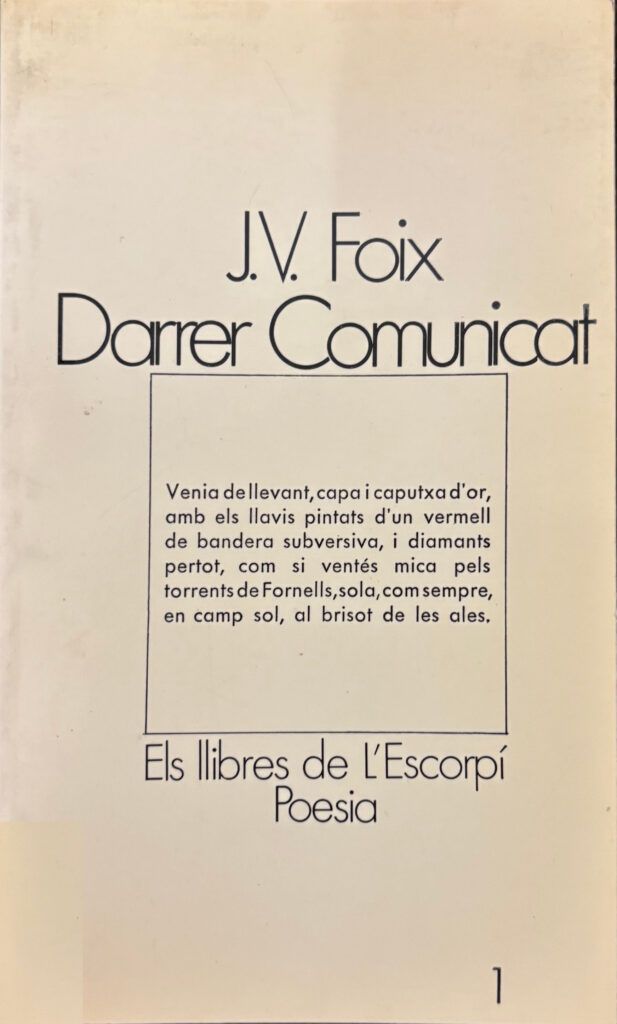
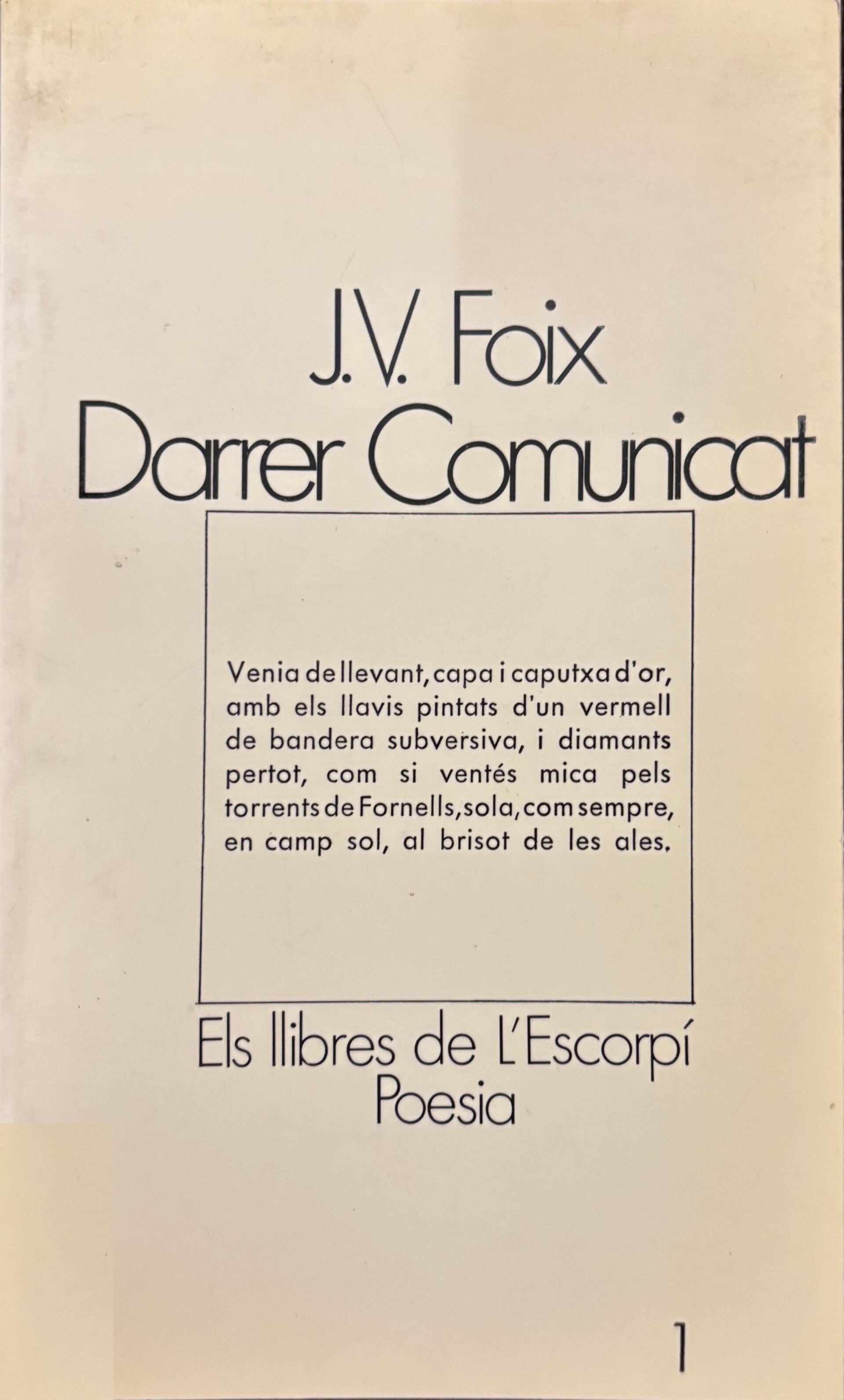
Escorpí / Poesia
Escorpí/Poesia
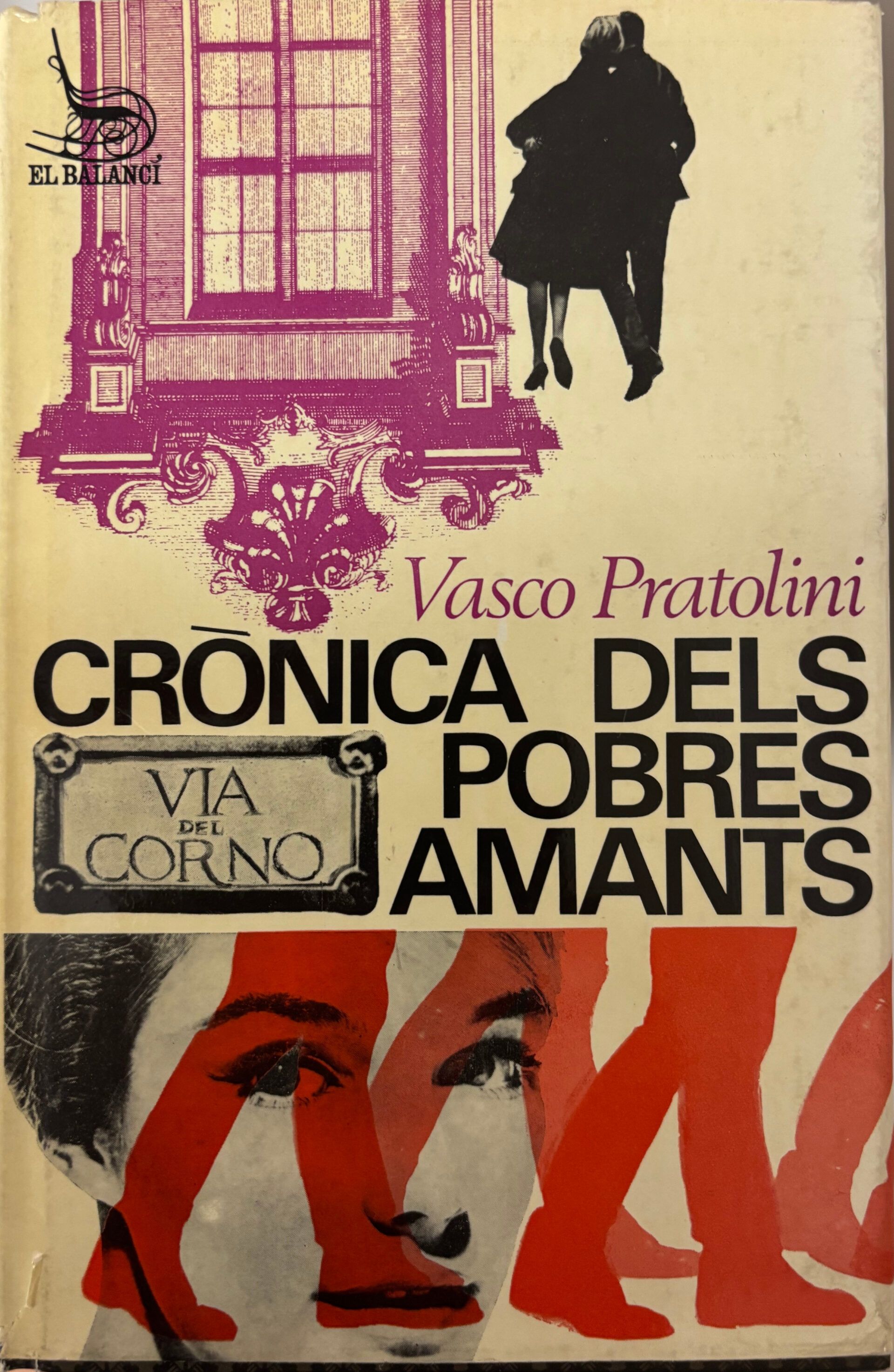
El balancí
El balancí (contemporary world fiction)
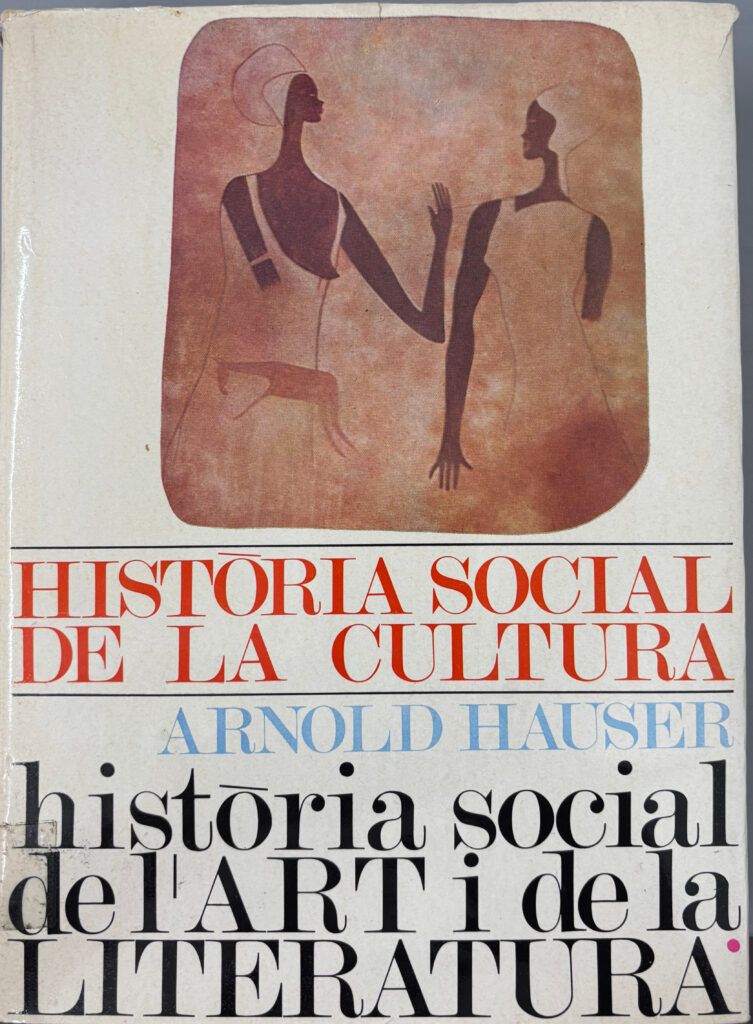
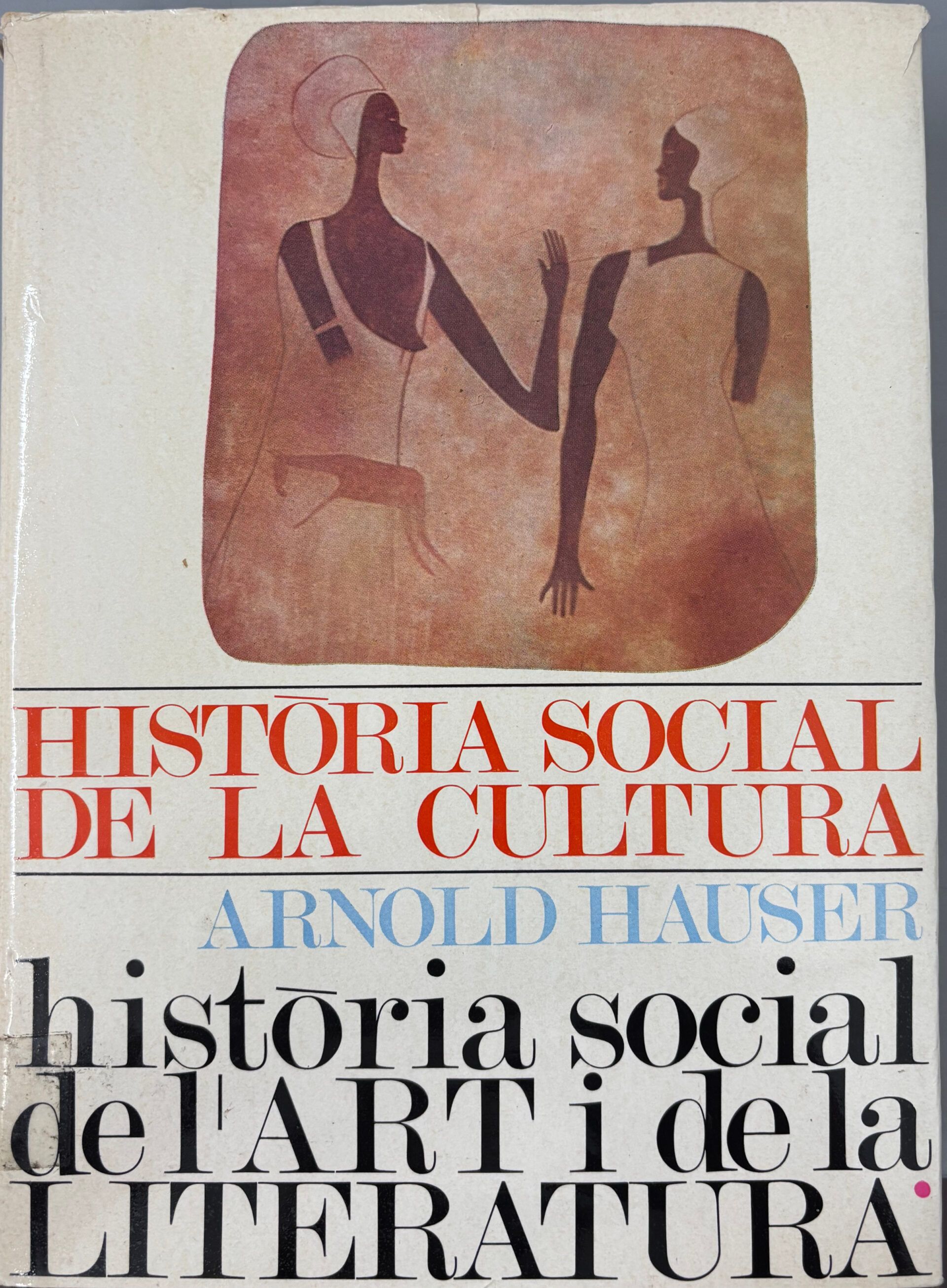
Història Social de la Cultura
Història Social de la Cultura (Arnold Hauser, John D. Bernal, Bertrand Russell)
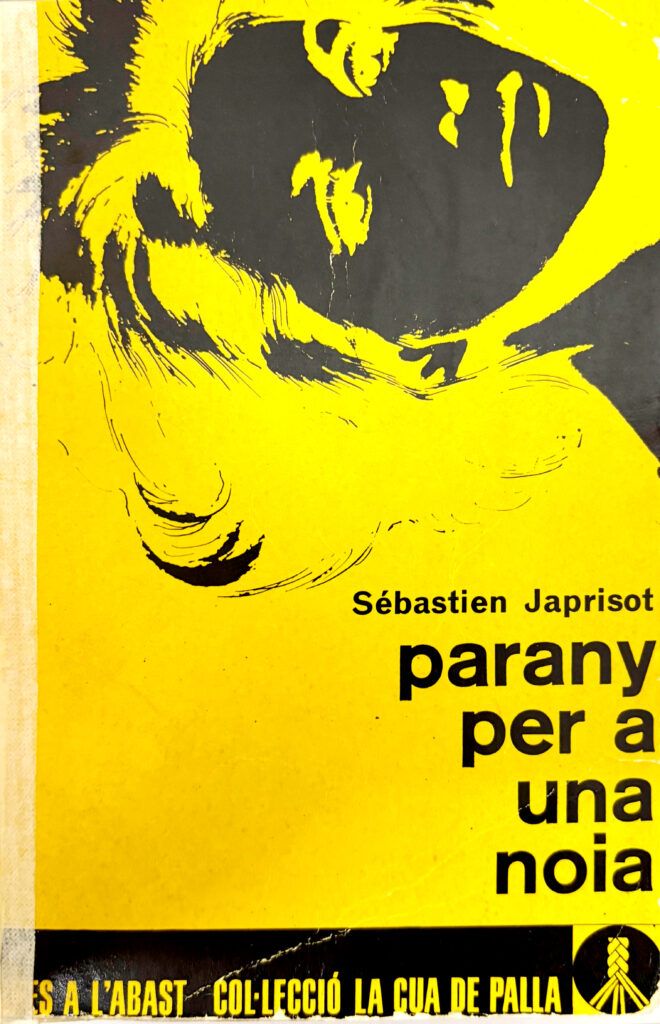
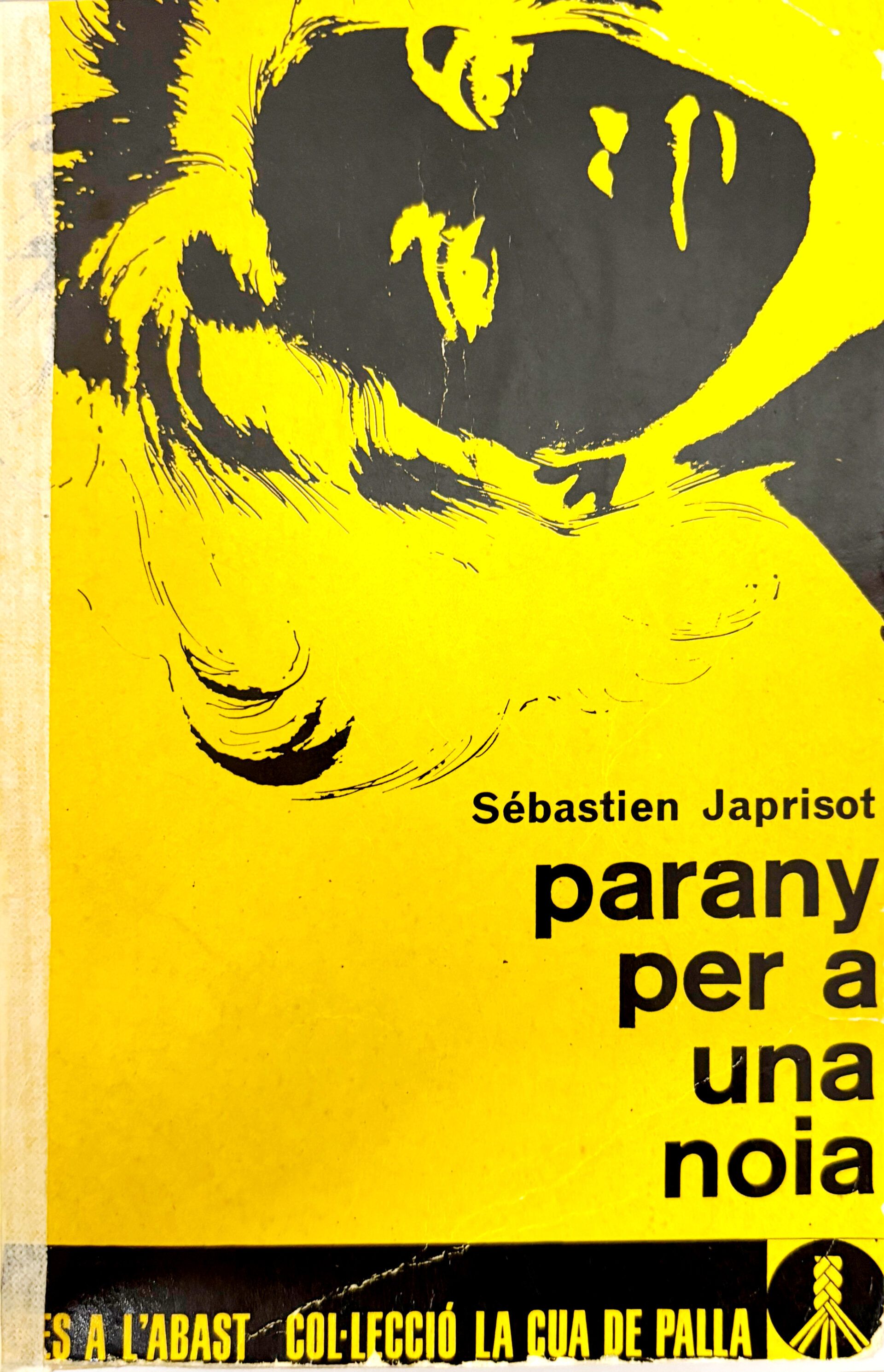
La cua de palla
La cua de palla (crime fiction, directed by Manuel de Pedrolo)
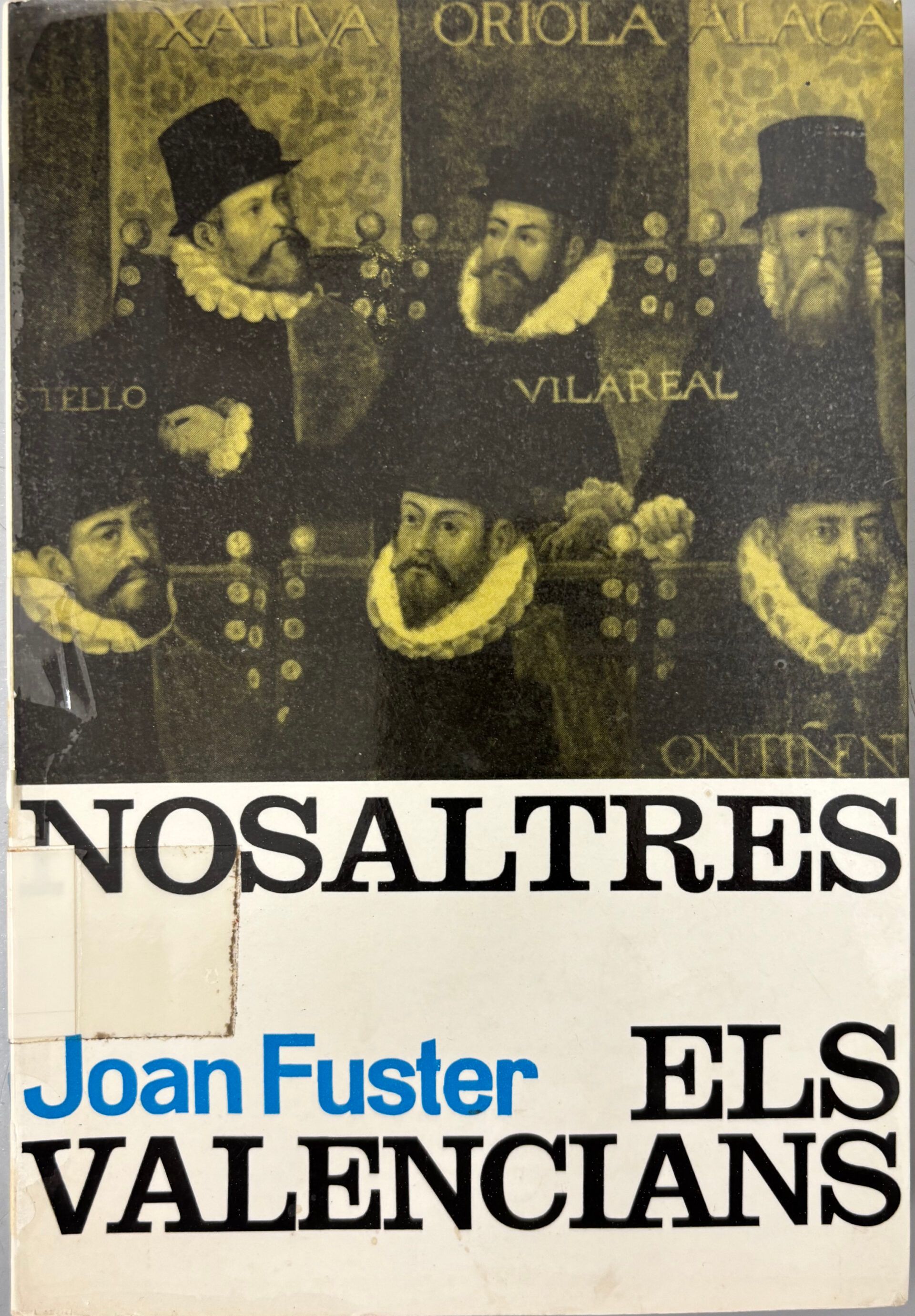
Llibres a l’abast
Llibres a l’abast (the general-interest and most accessible collection, origin of the company)
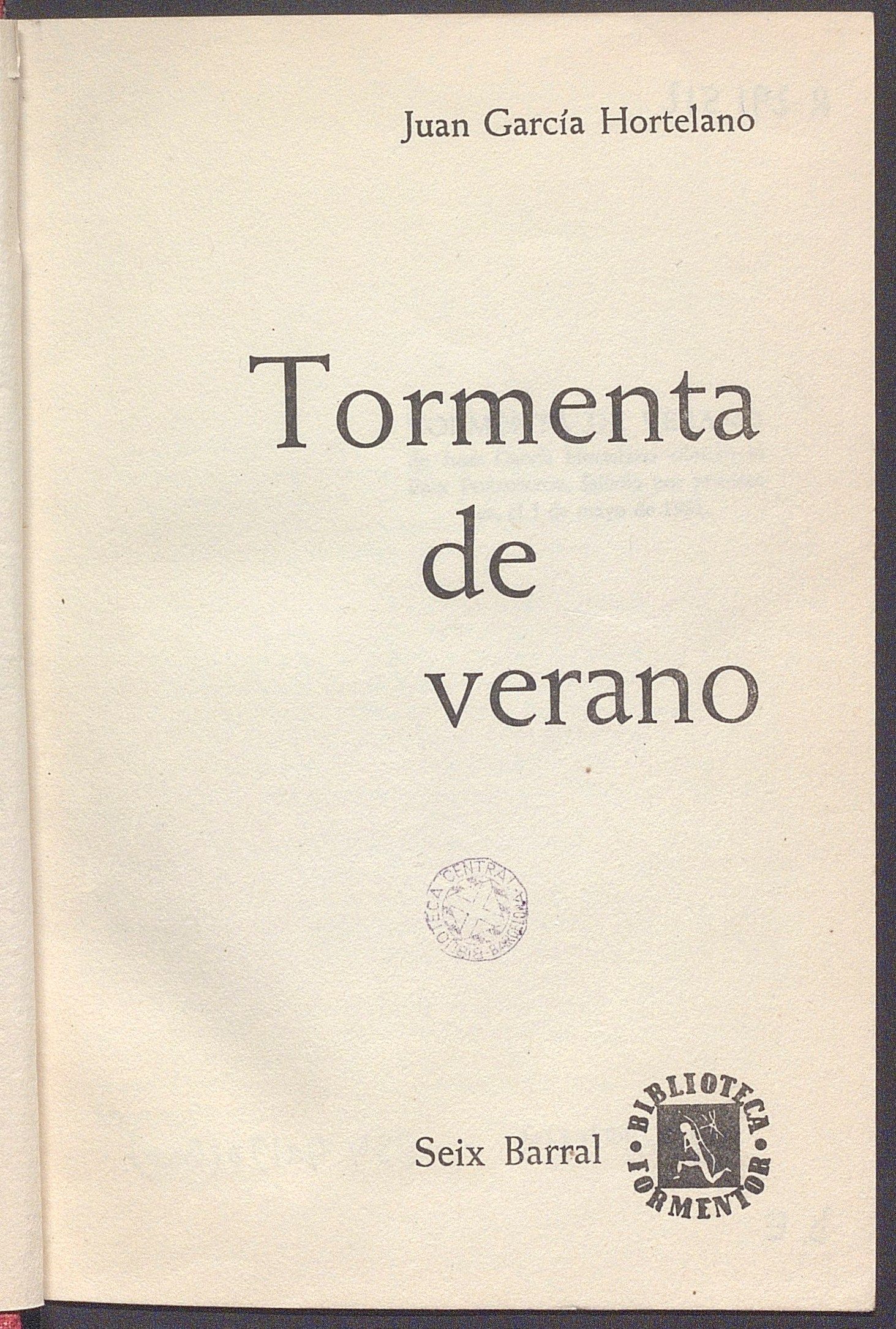
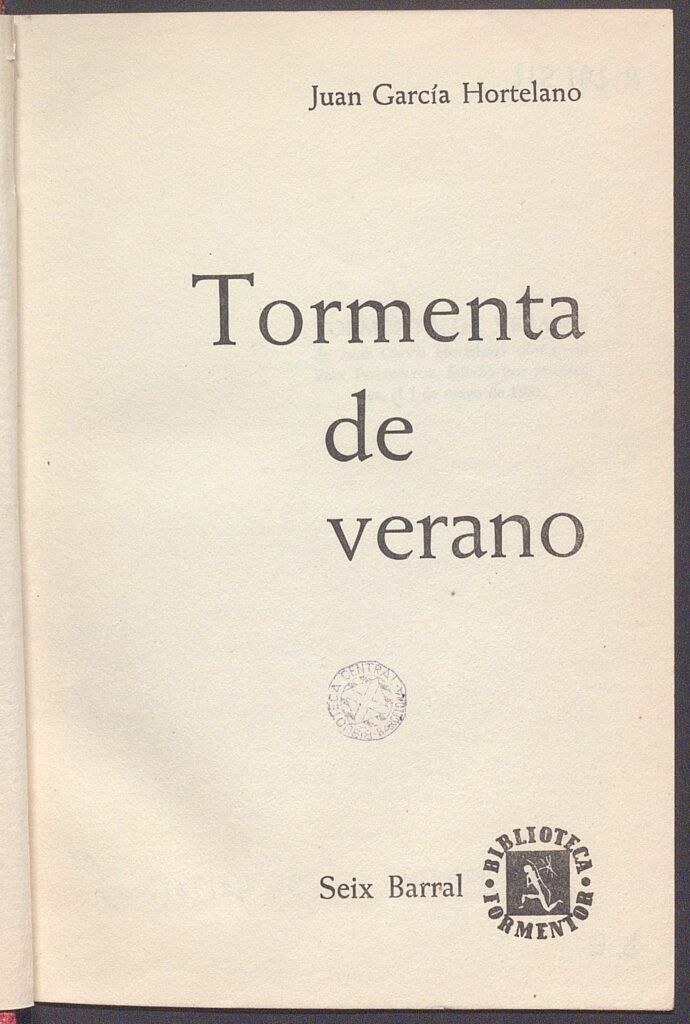
Tormenta de verano
García Hortelano, Juan. Tormenta de verano. Barcelona: Seix Barral, 1962. (Biblioteca Formentor),
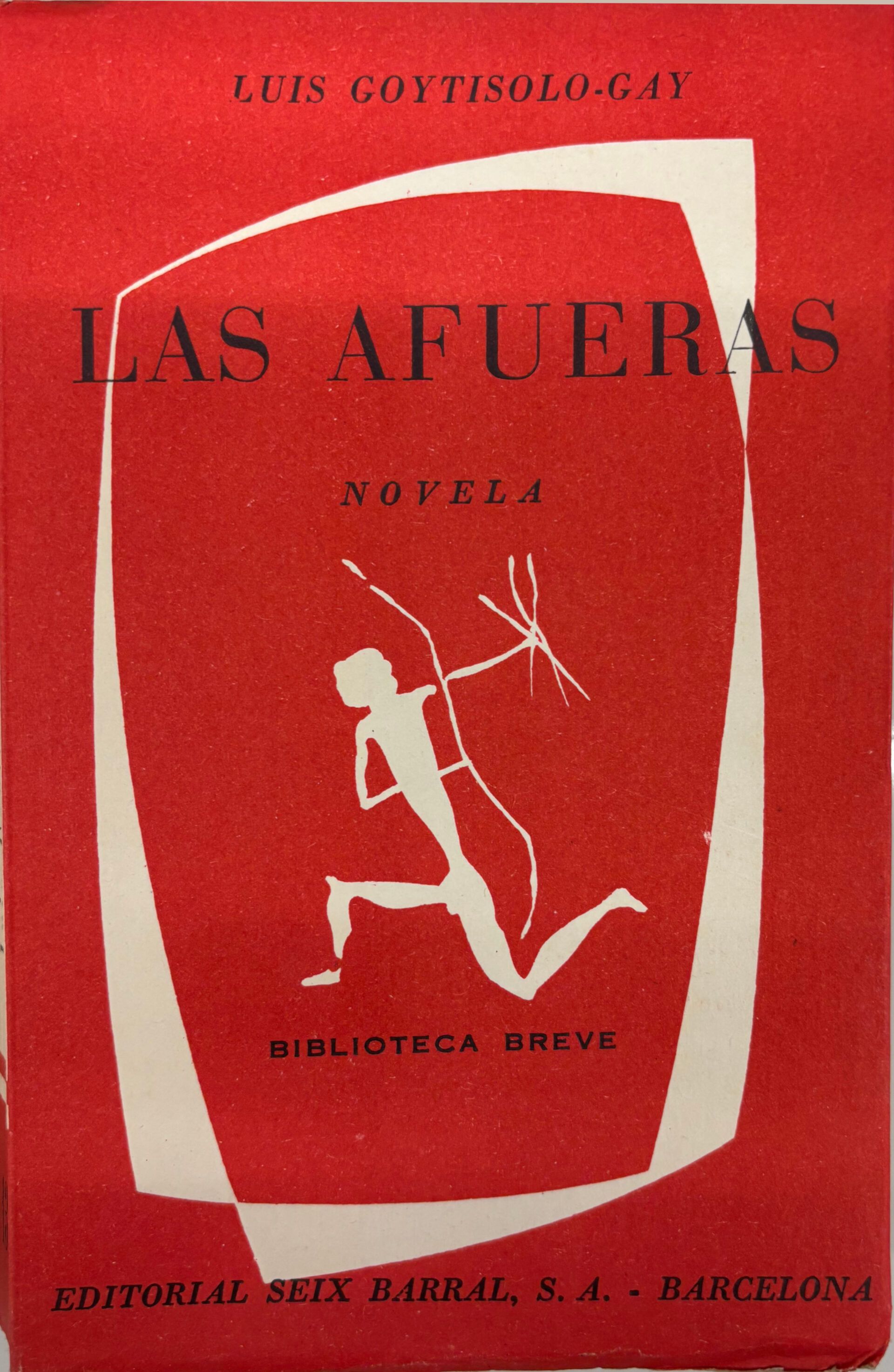
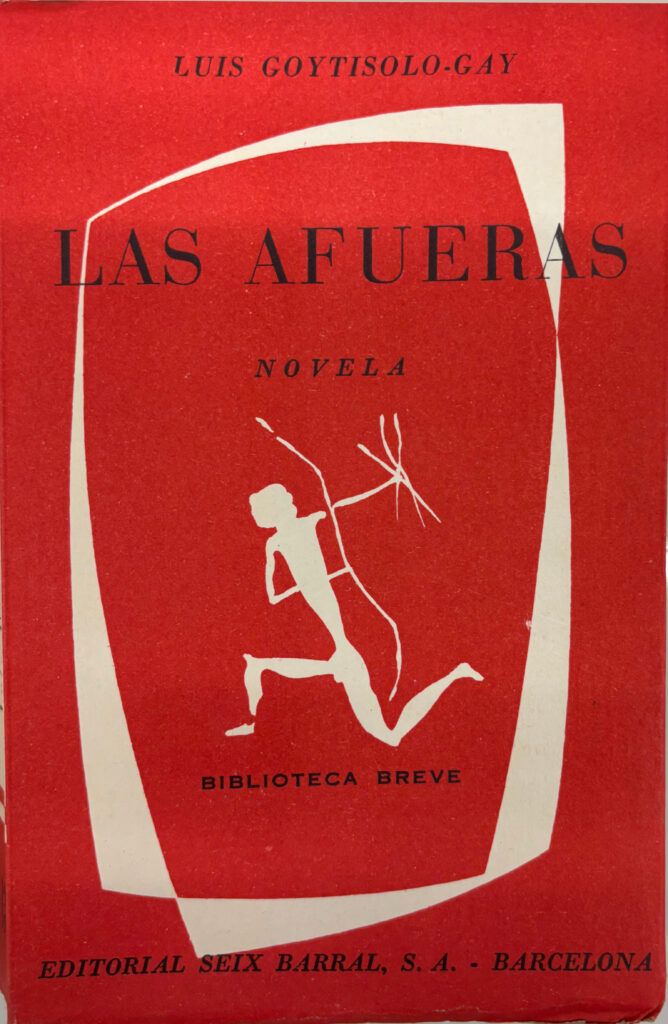
Las afueras
Goytisolo, Luis. Las afueras. Barcelona: Seix Barral, 1958. (Biblioteca Breve)
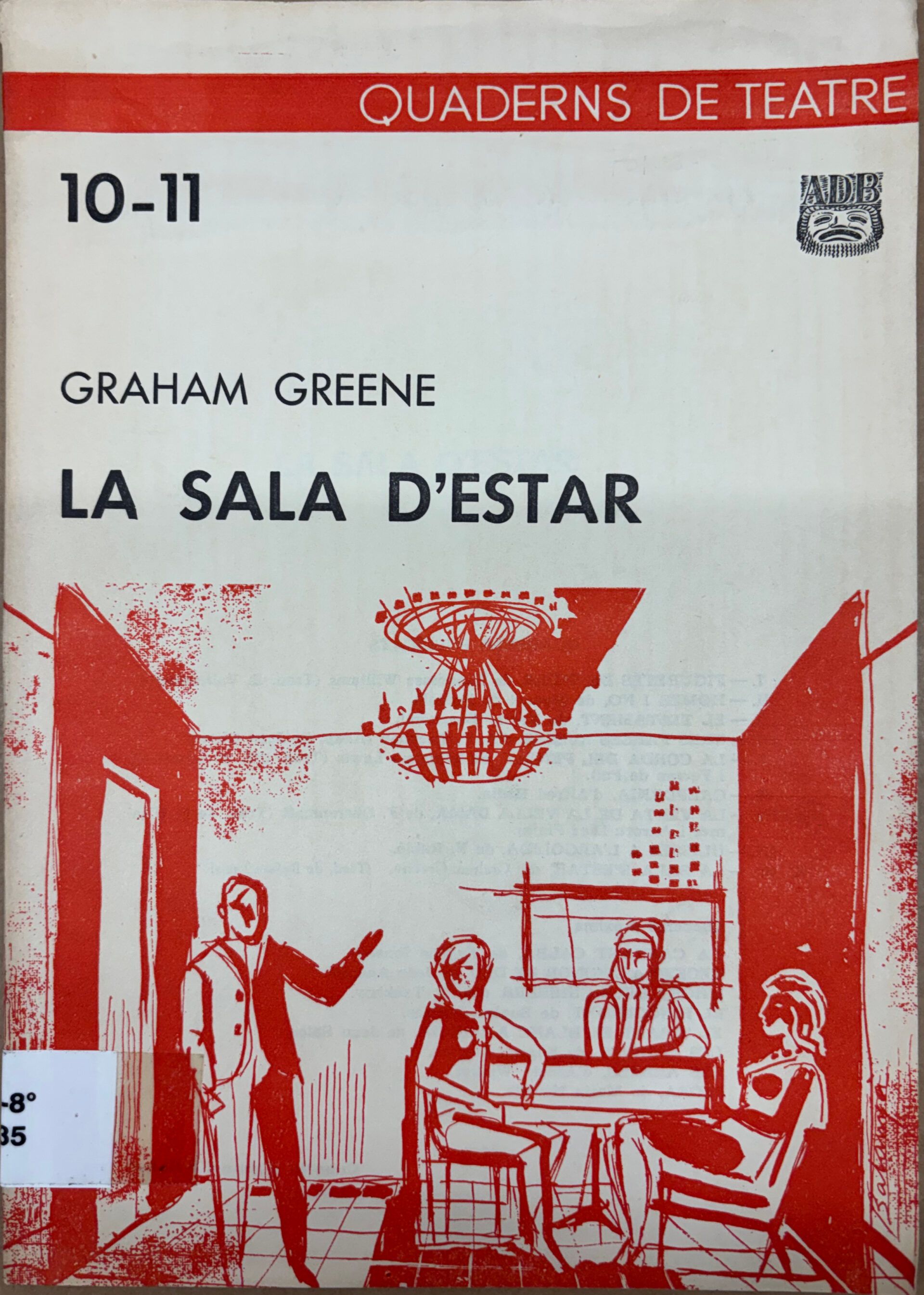
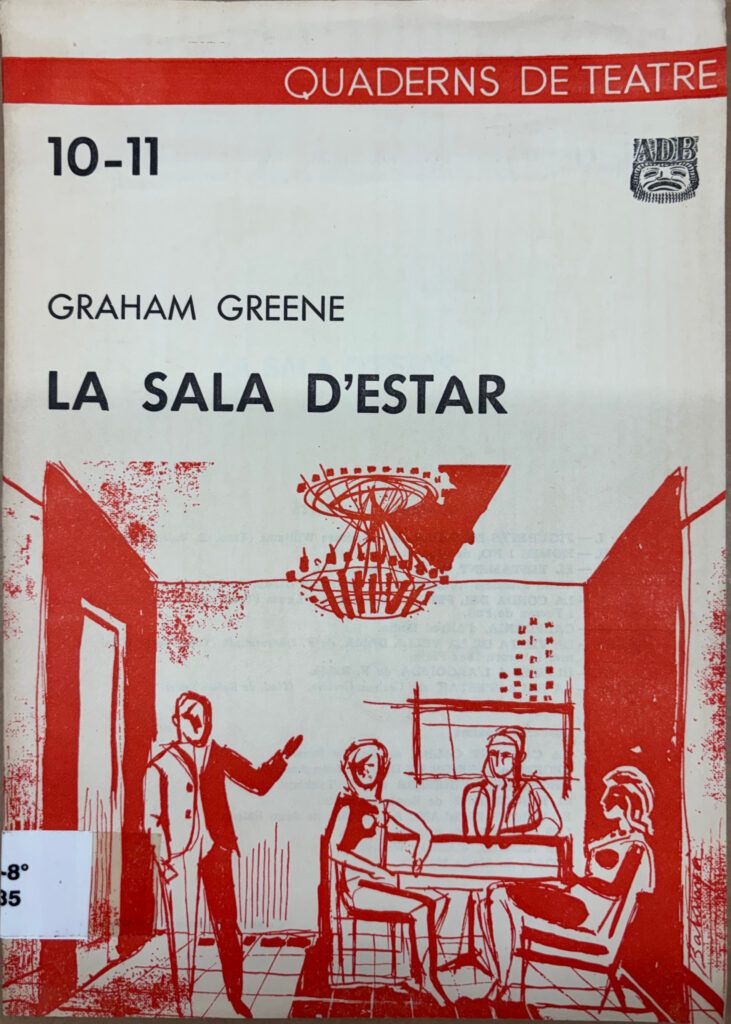
La sala d’estar
Greene, Graham. La sala d’estar. Barcelona: Joaquim Horta, 1962. (Quaderns de Teatre ADB ; 10-11). Directed by Joaquim Horta, from no. 3 onwards
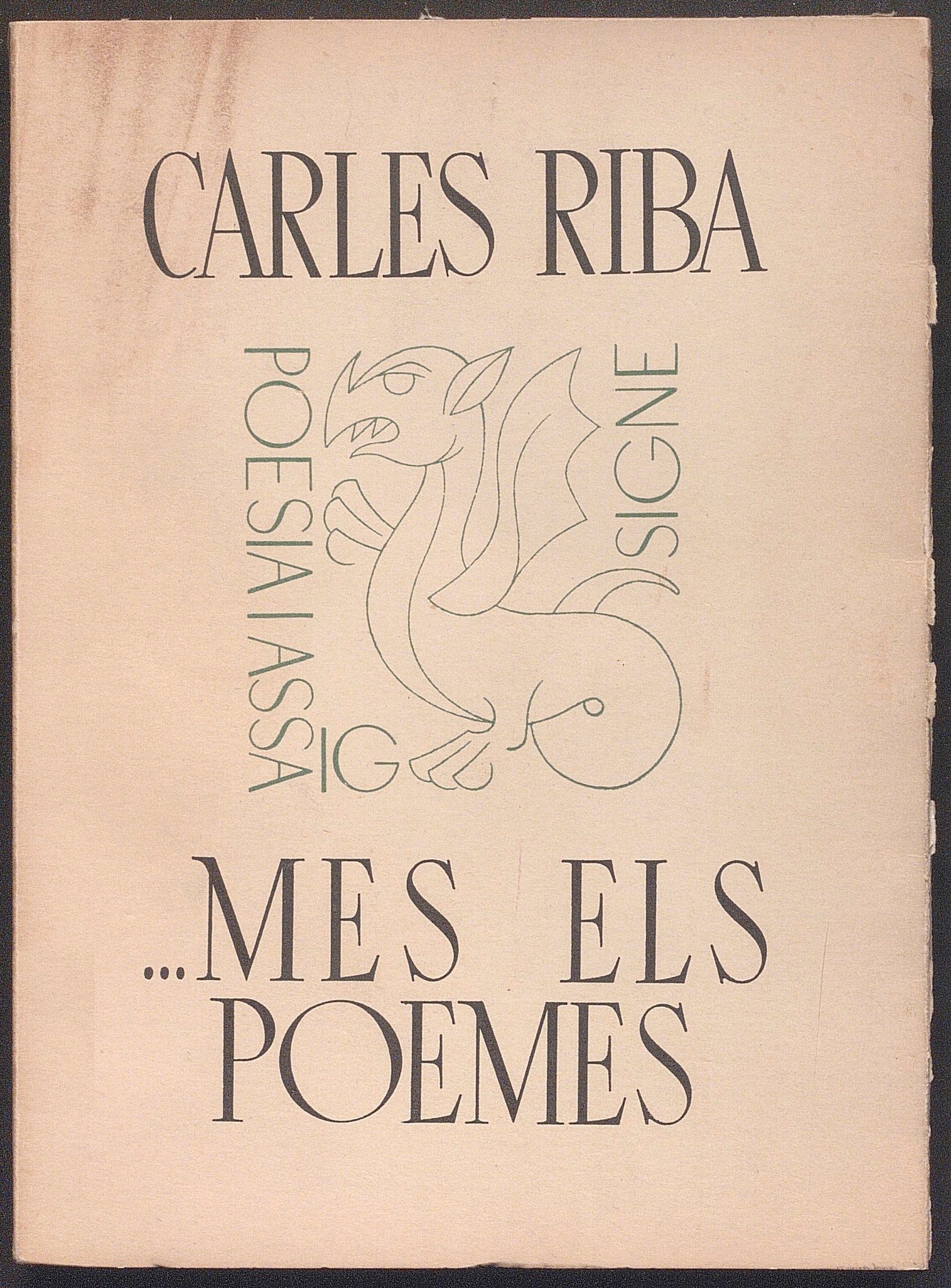
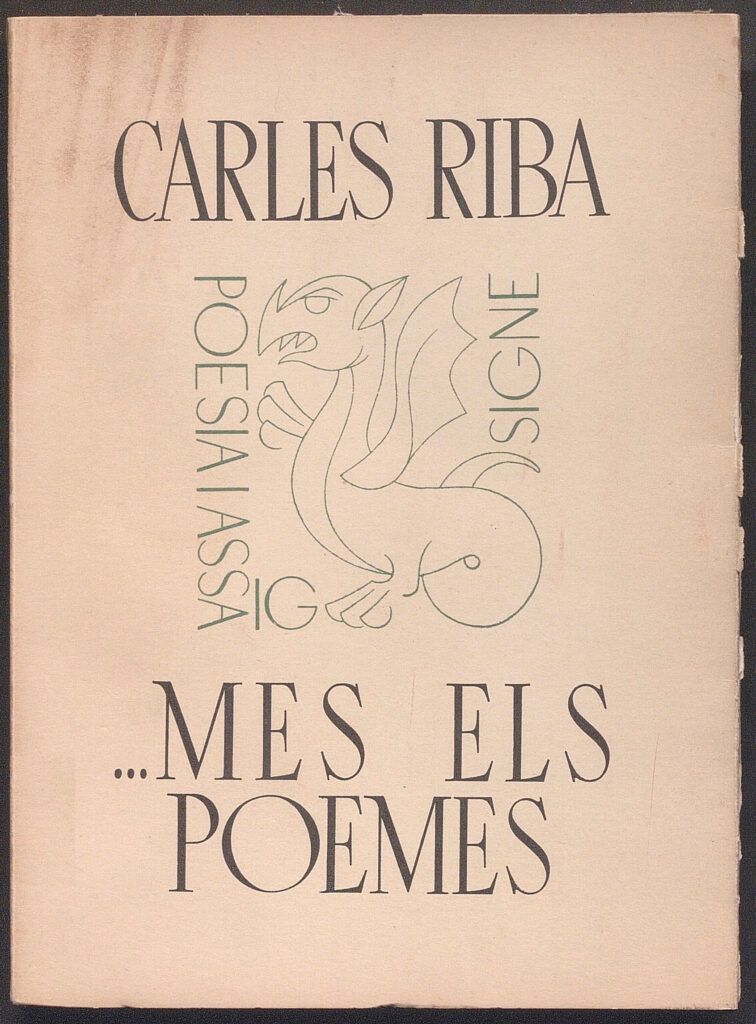
Més els poemes
Riba, Carles. Més els poemes: notes sobre poetes i poesia (1956), Barcelona: Joaquín Horta, 1957. (Signe; 5). Directed by Joaquim Molas
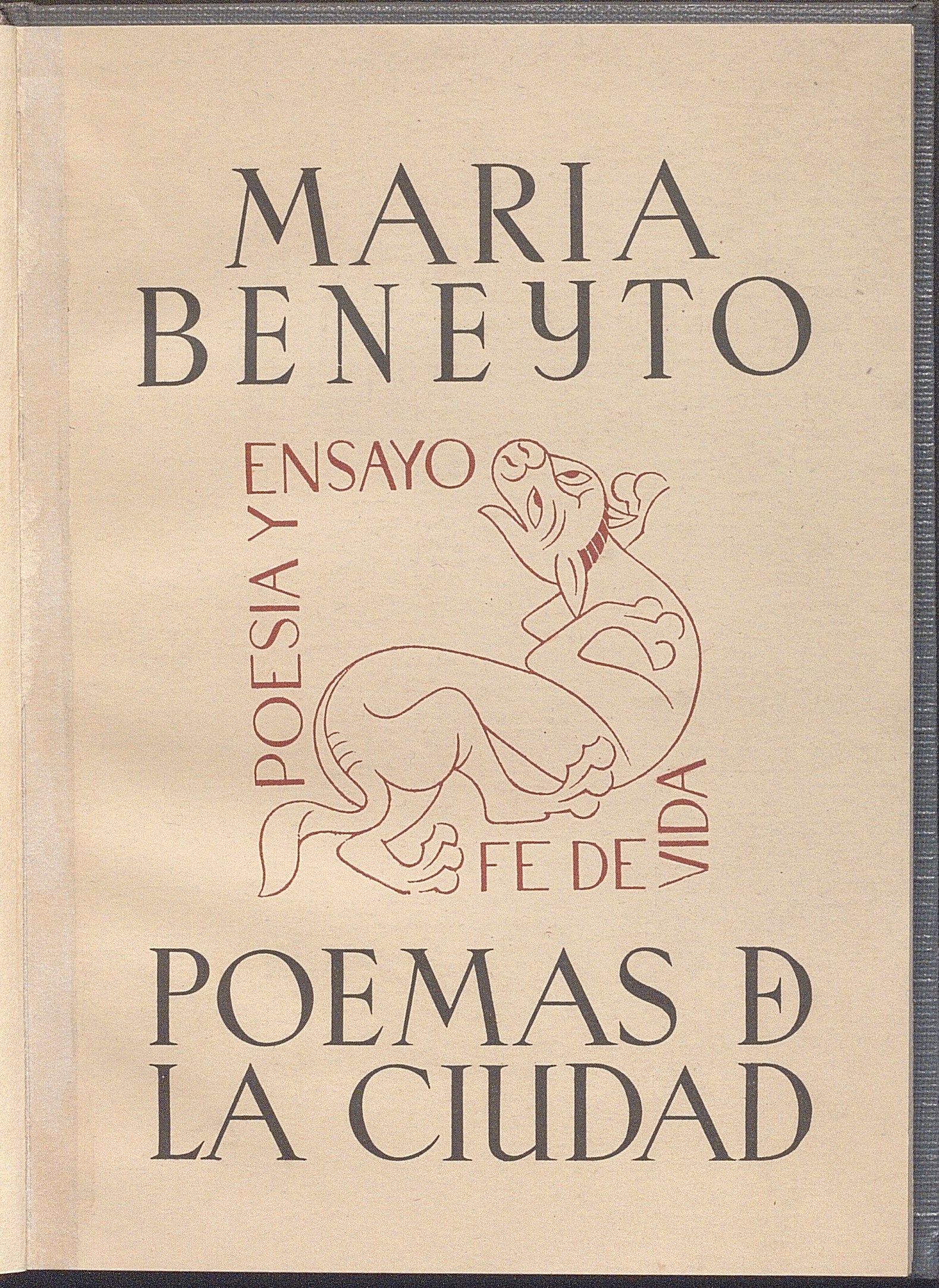
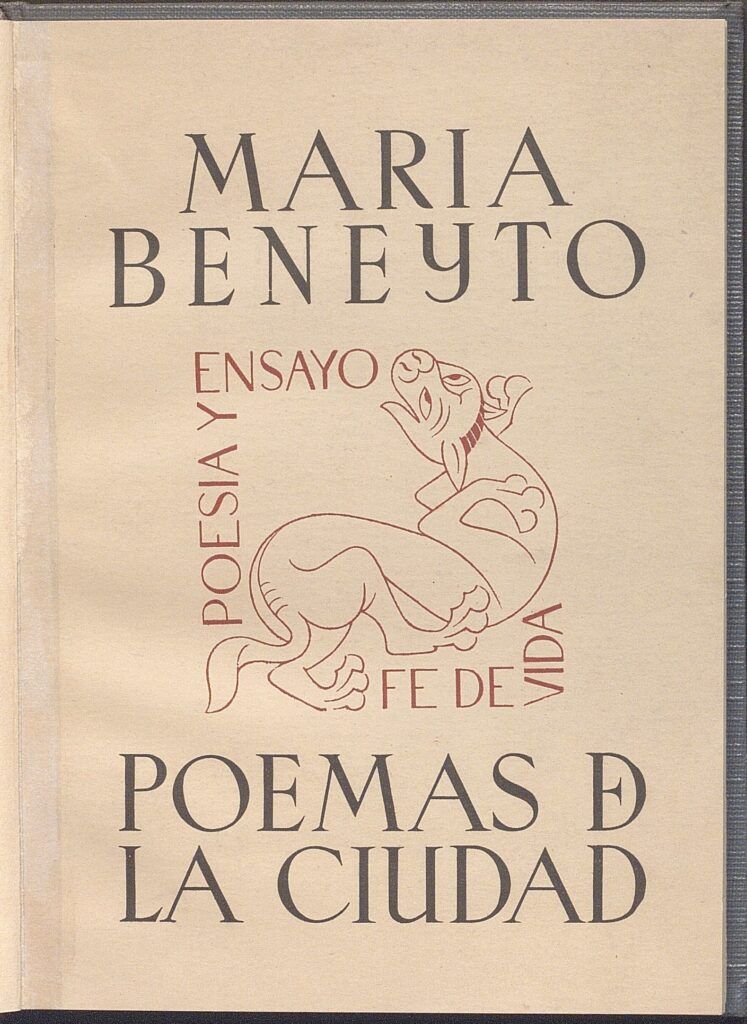
Poemas de la Ciudad
Beneyto, Maria. Poemas de la Ciudad. Barcelona: Joaquín Horta, 1956. (Fe de Vida. Poesía y Ensayo ; 1). Directed by Josep M. Castellet
The memoirist
Bibliography