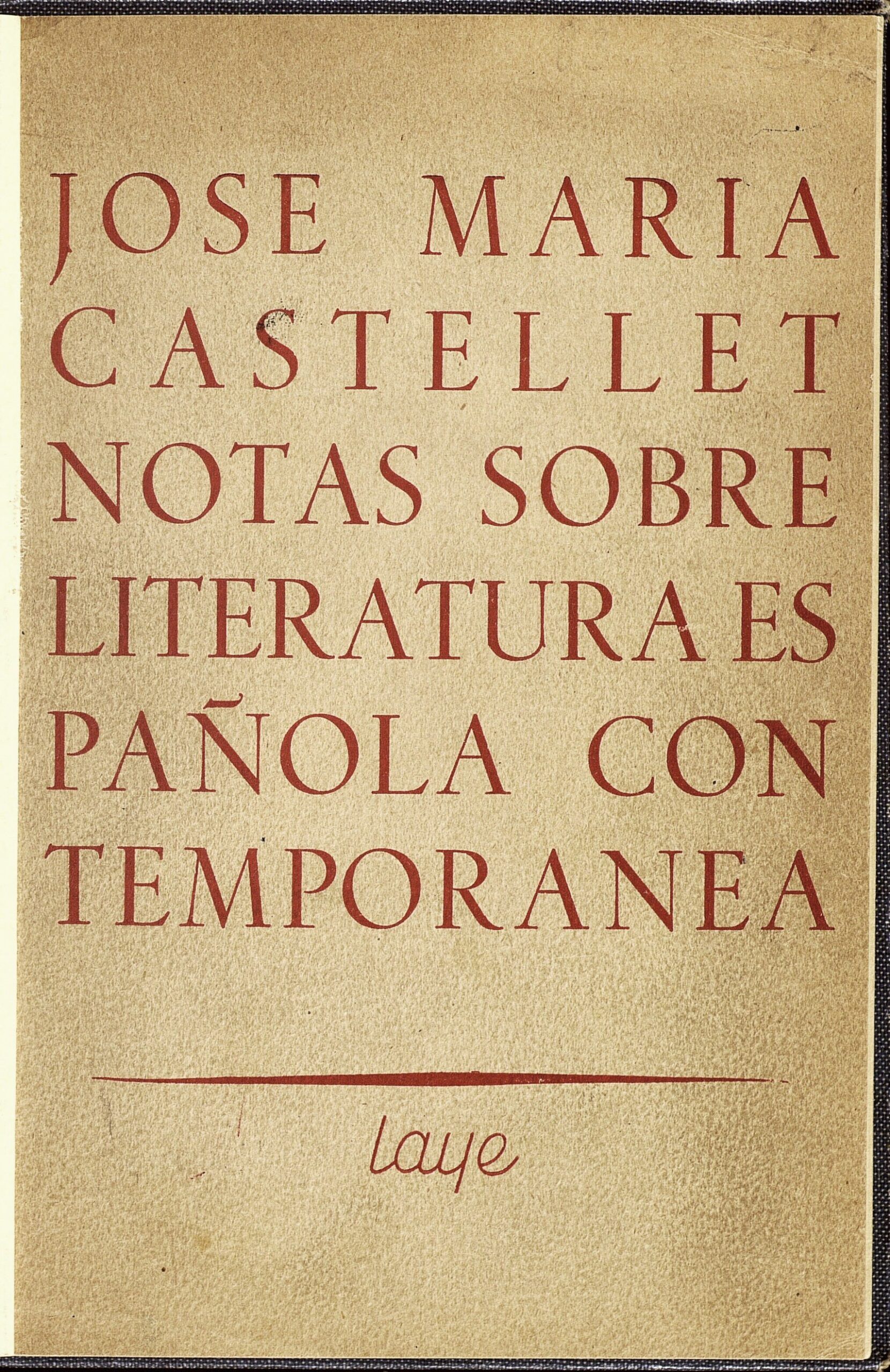
The critic and the essayist

15 min read

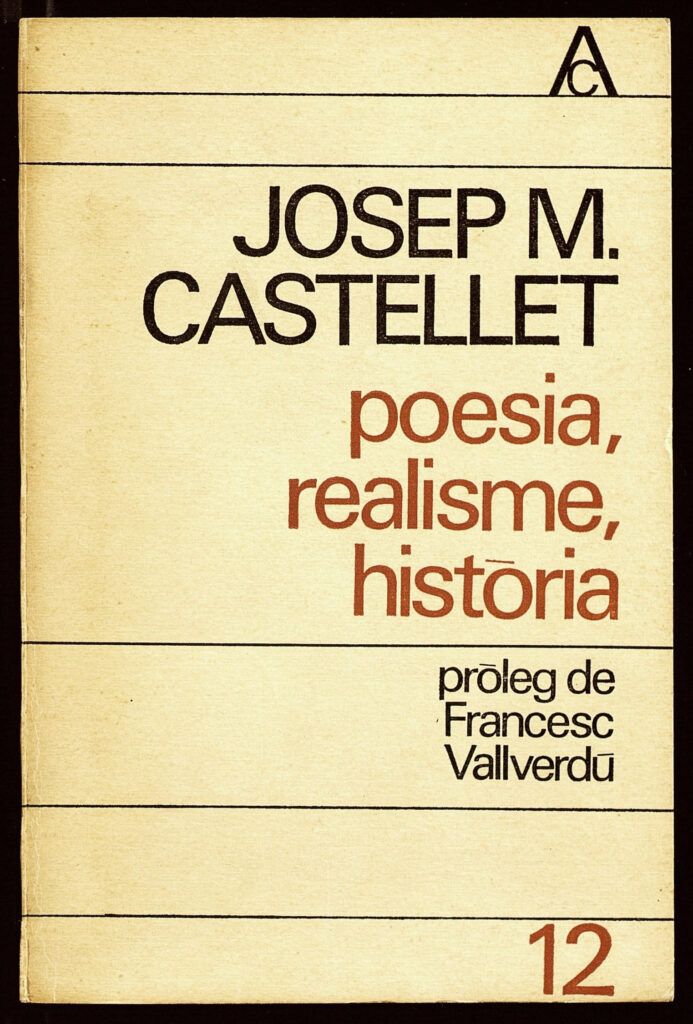
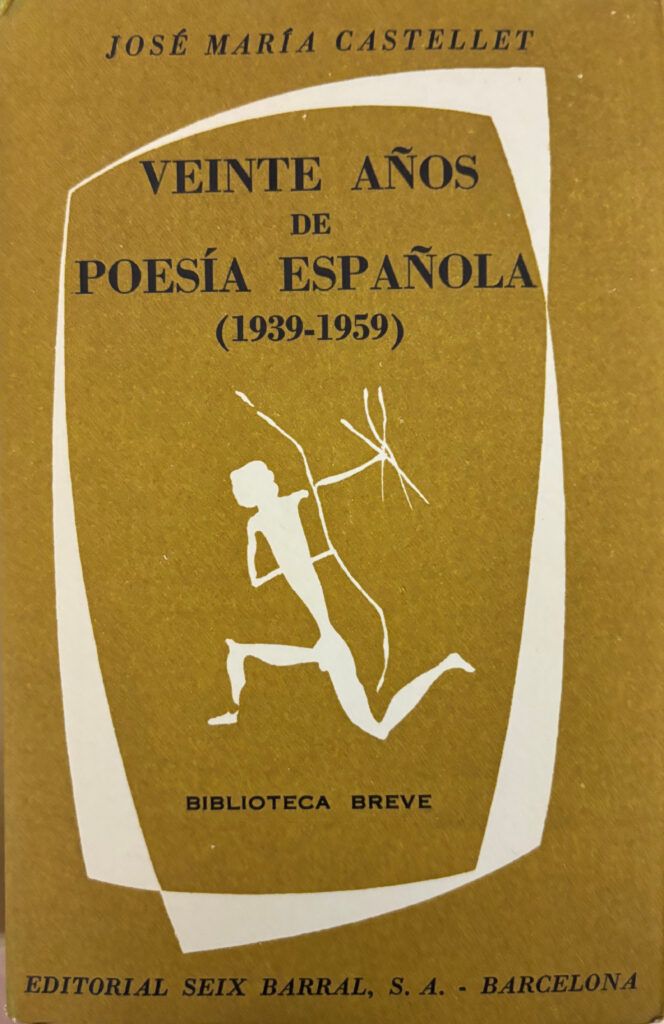
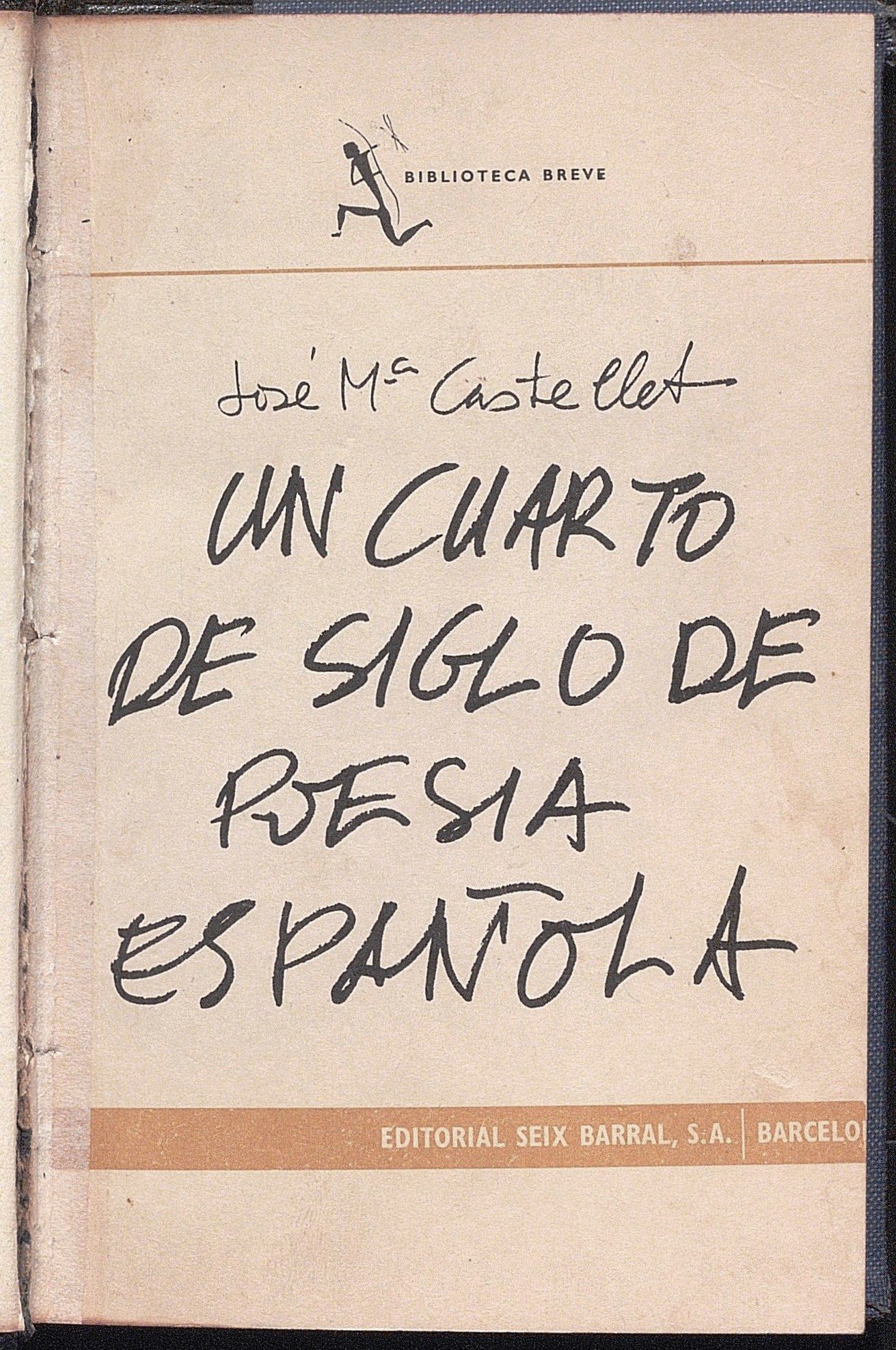
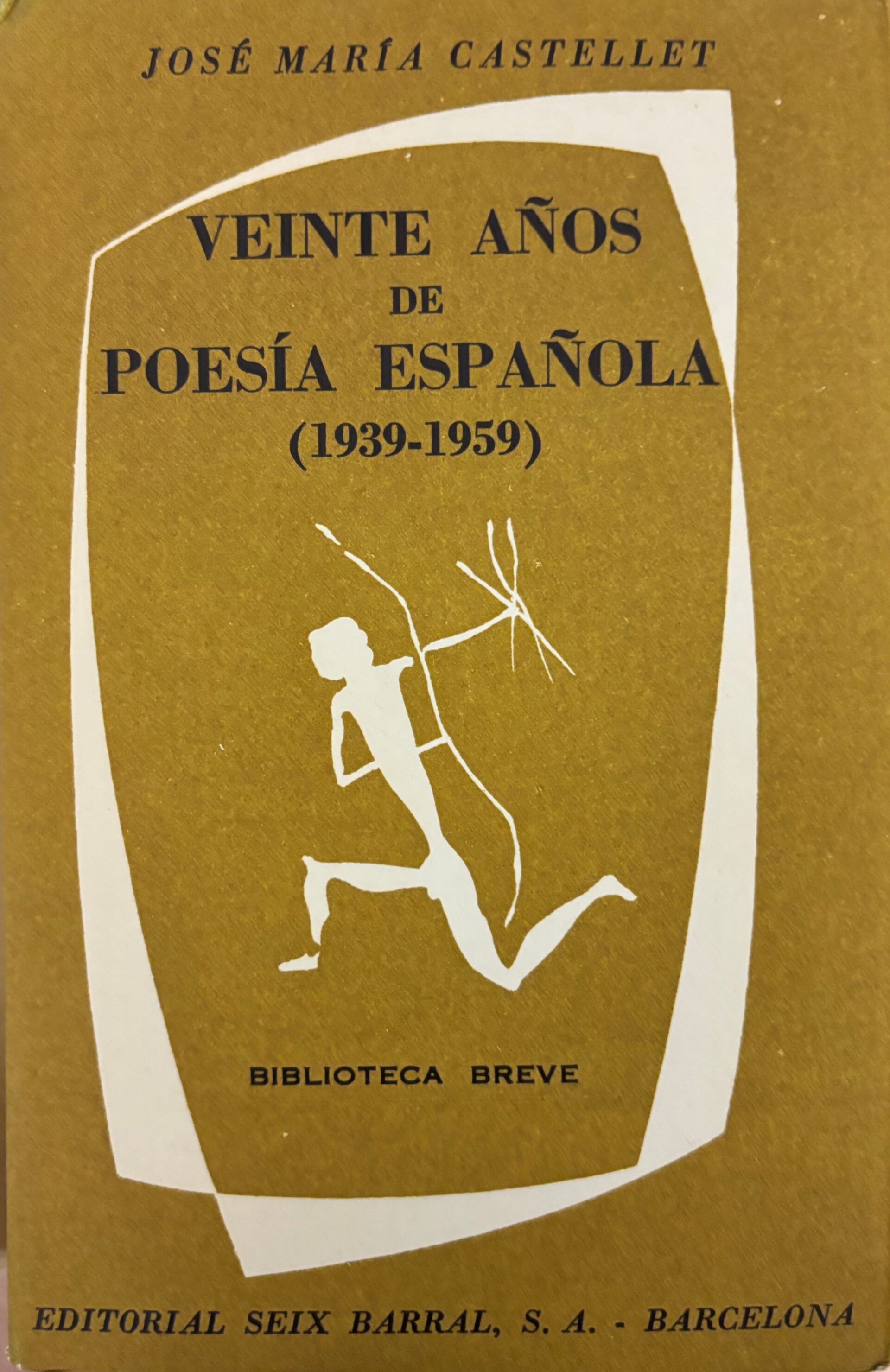
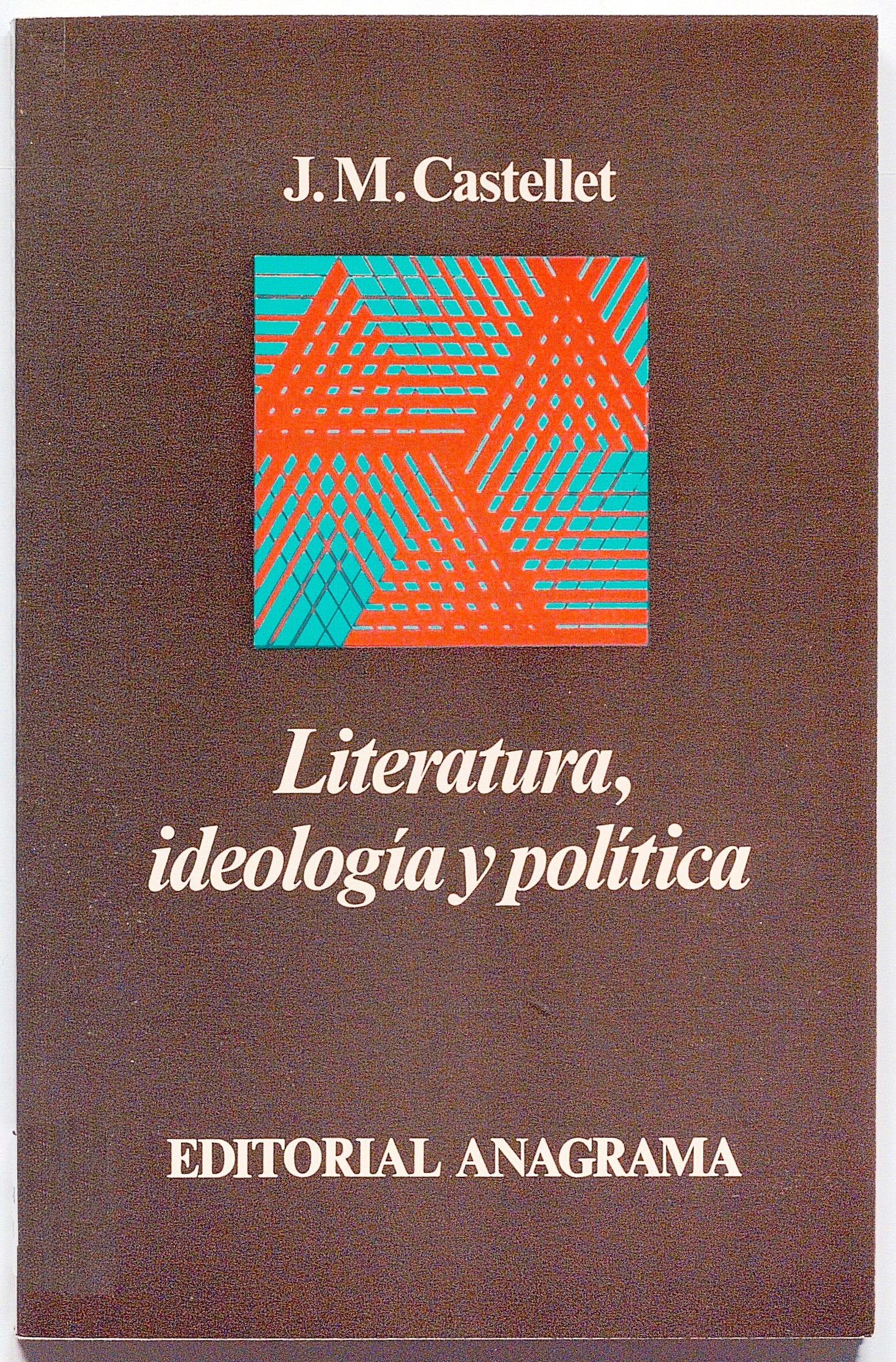
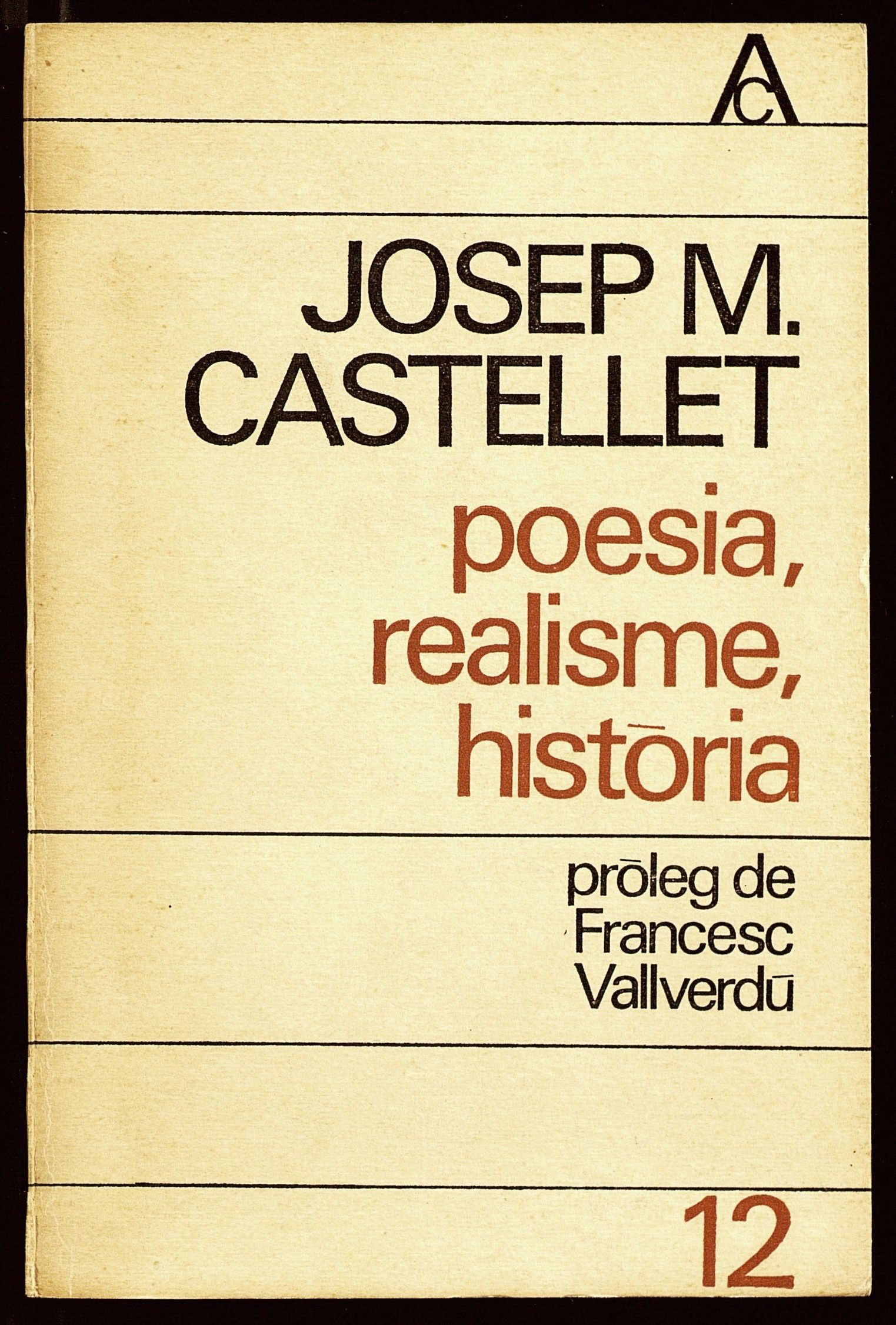
(…) I had undergone a certain personal crisis regarding the literary theories set forth in some of my books; that is to say, the literary-critical analysis I had advocated, more or less, from 1960 (Veinte años de poesía española) to 1965 (Poesia, realisme, història) began to feel inadequate and impoverished. In a rather schematic and frivolous manner, I have explained in private conversations that it was two ladies—alas!—who caused me to abandon the dogmatic stance inherent in my formulation of historical realism (not socialist realism, that ill-famed concept I never preached), aided, certainly, by my friendship with Roland Barthes and the reading of his books. Those two ladies, both North American, were Mary McCarthy and Susan Sontag. Since the subject is neither particularly exciting nor urgent, the reader of these lines is spared an explanation that would be more theoretical than anecdotal.

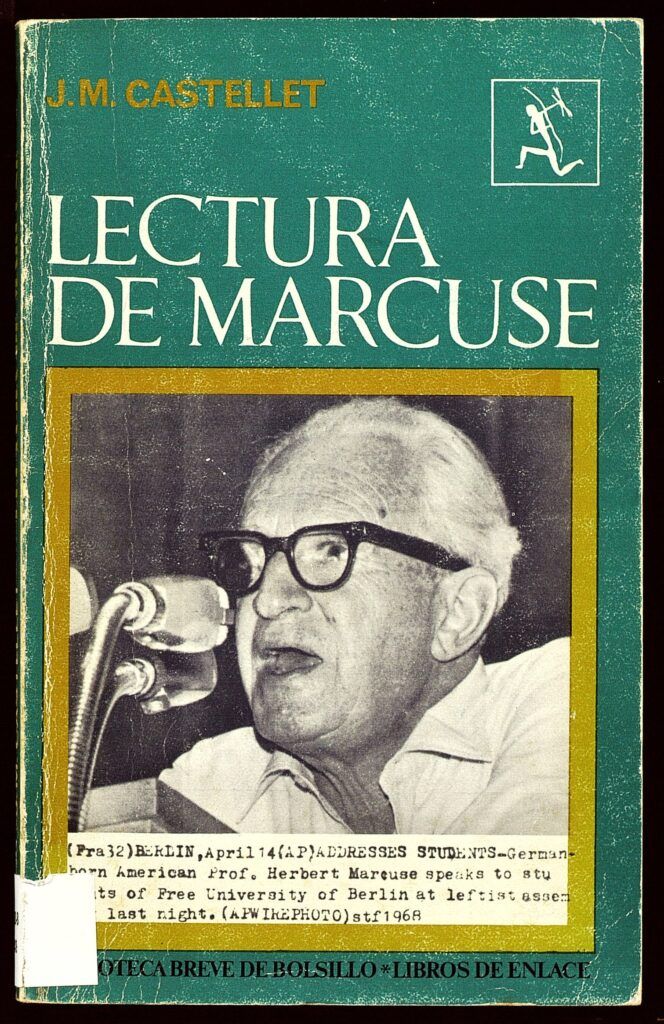
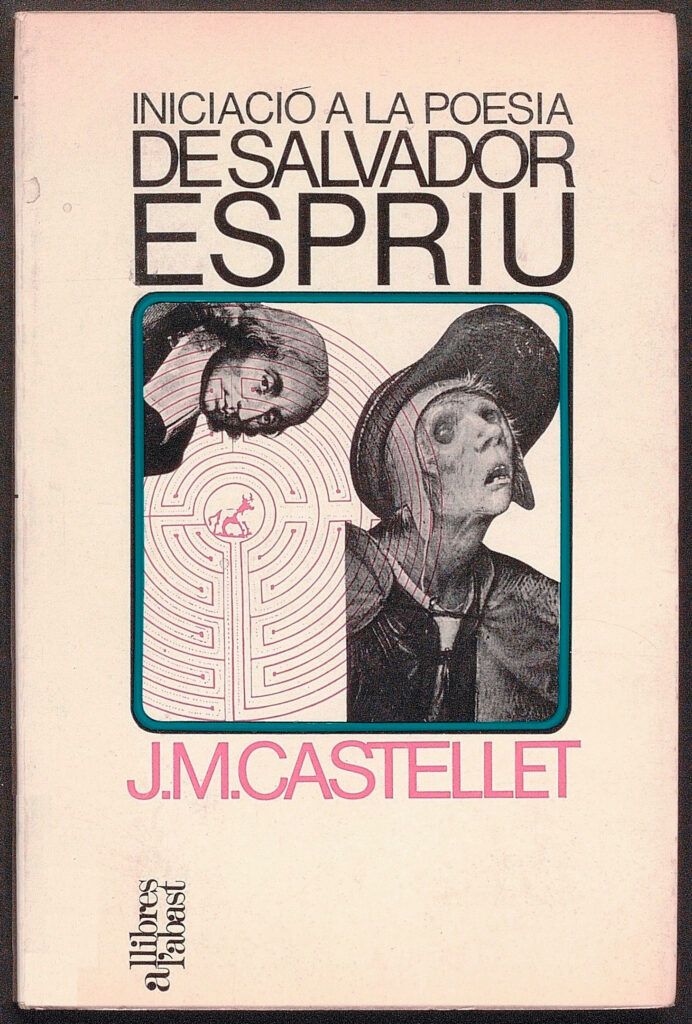
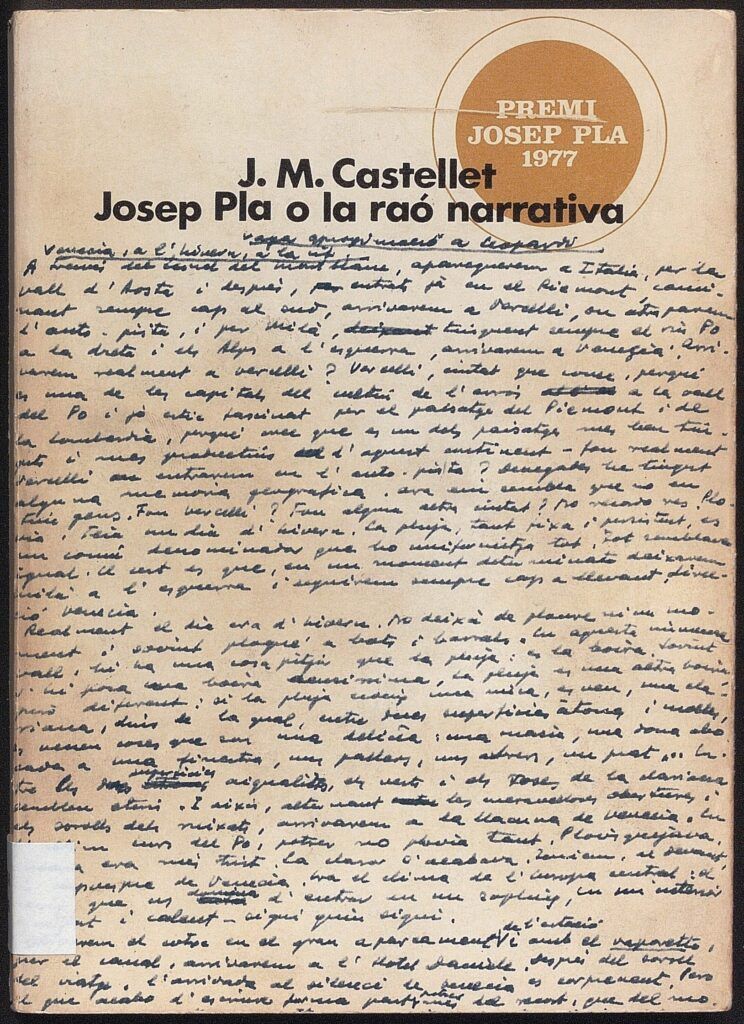
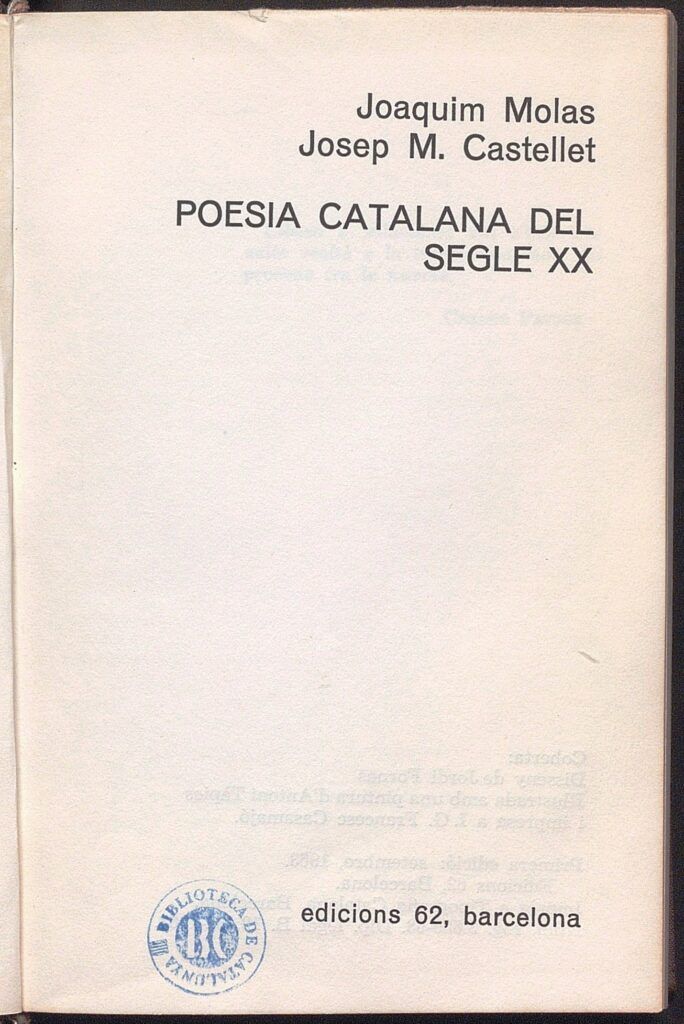
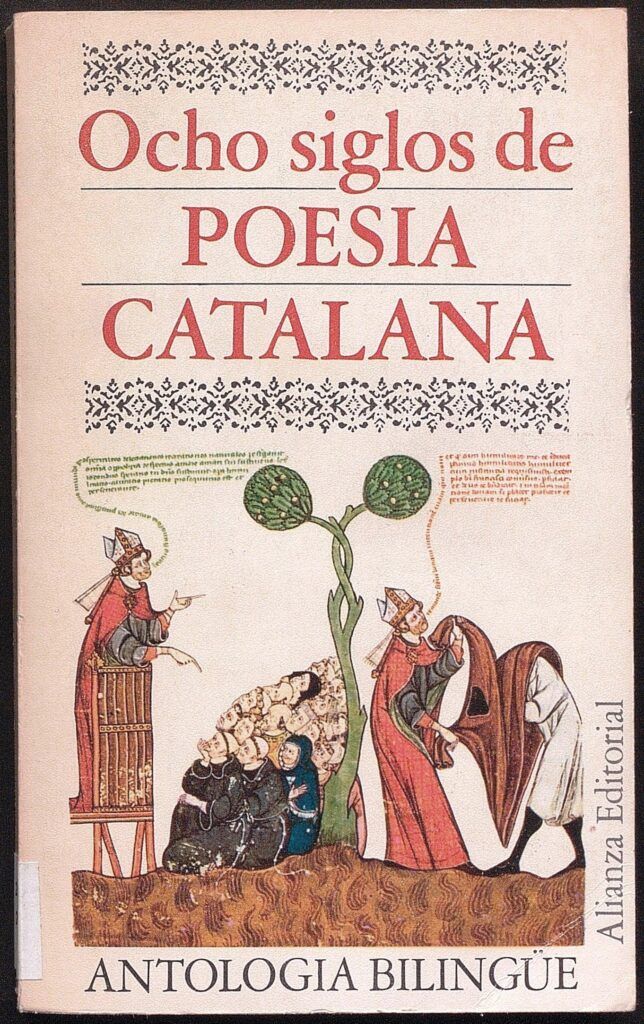
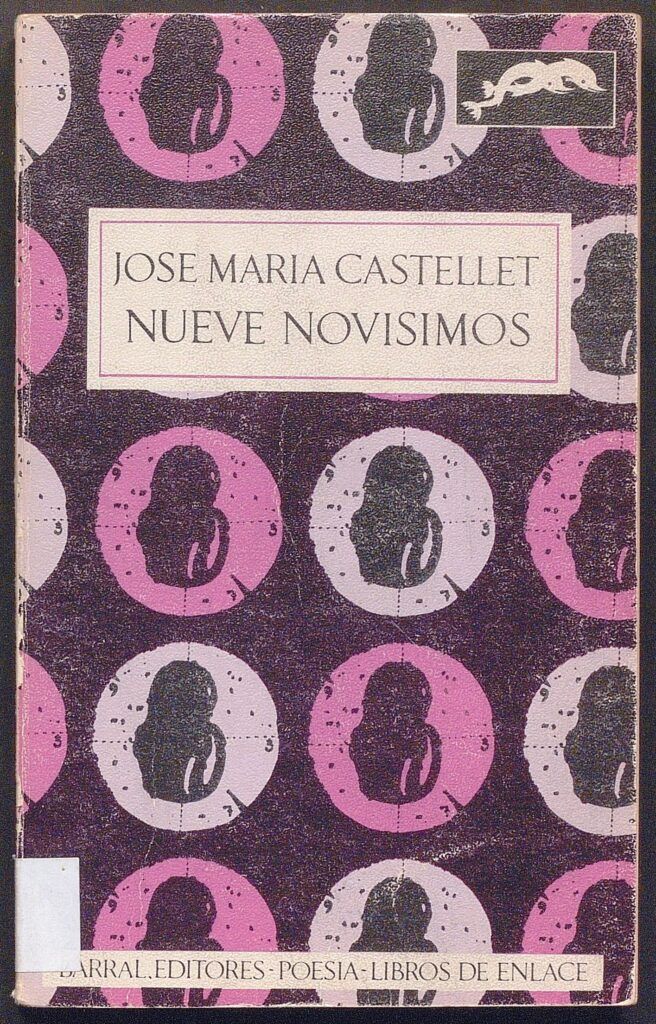
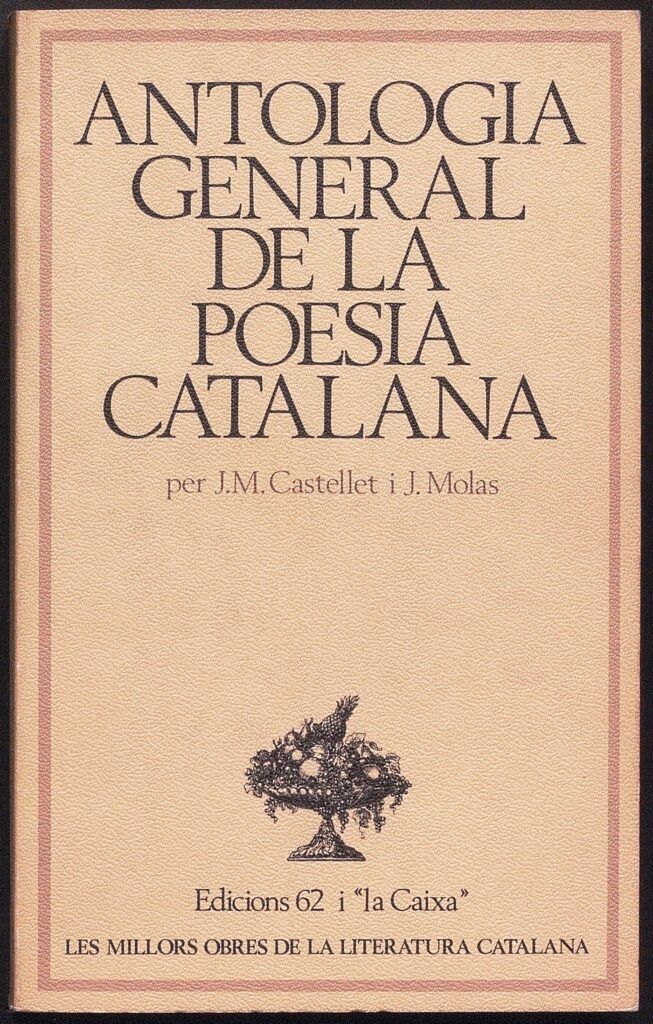
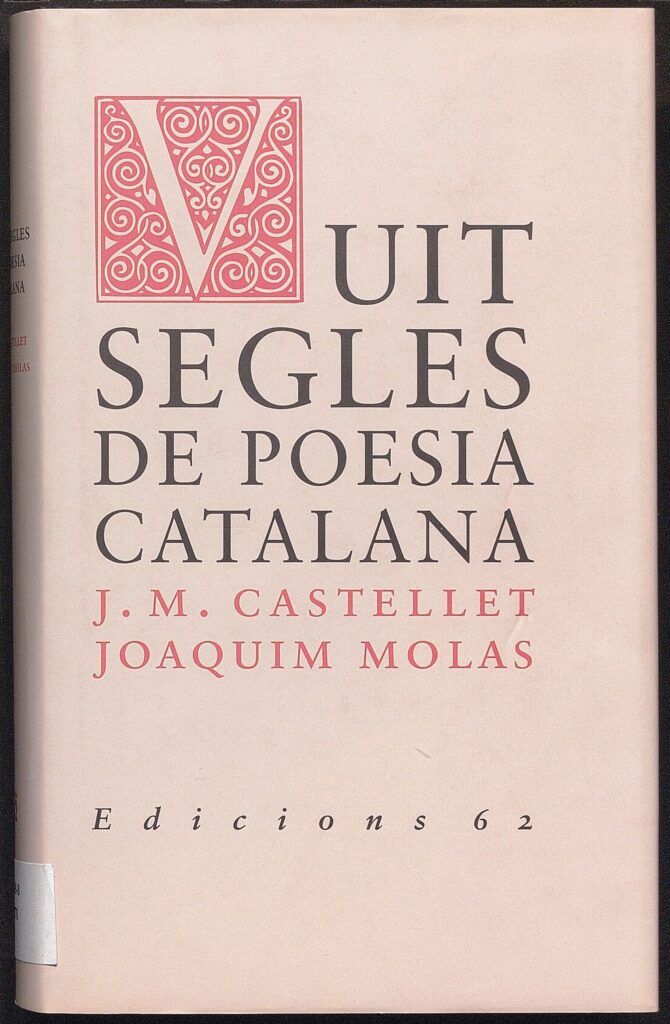
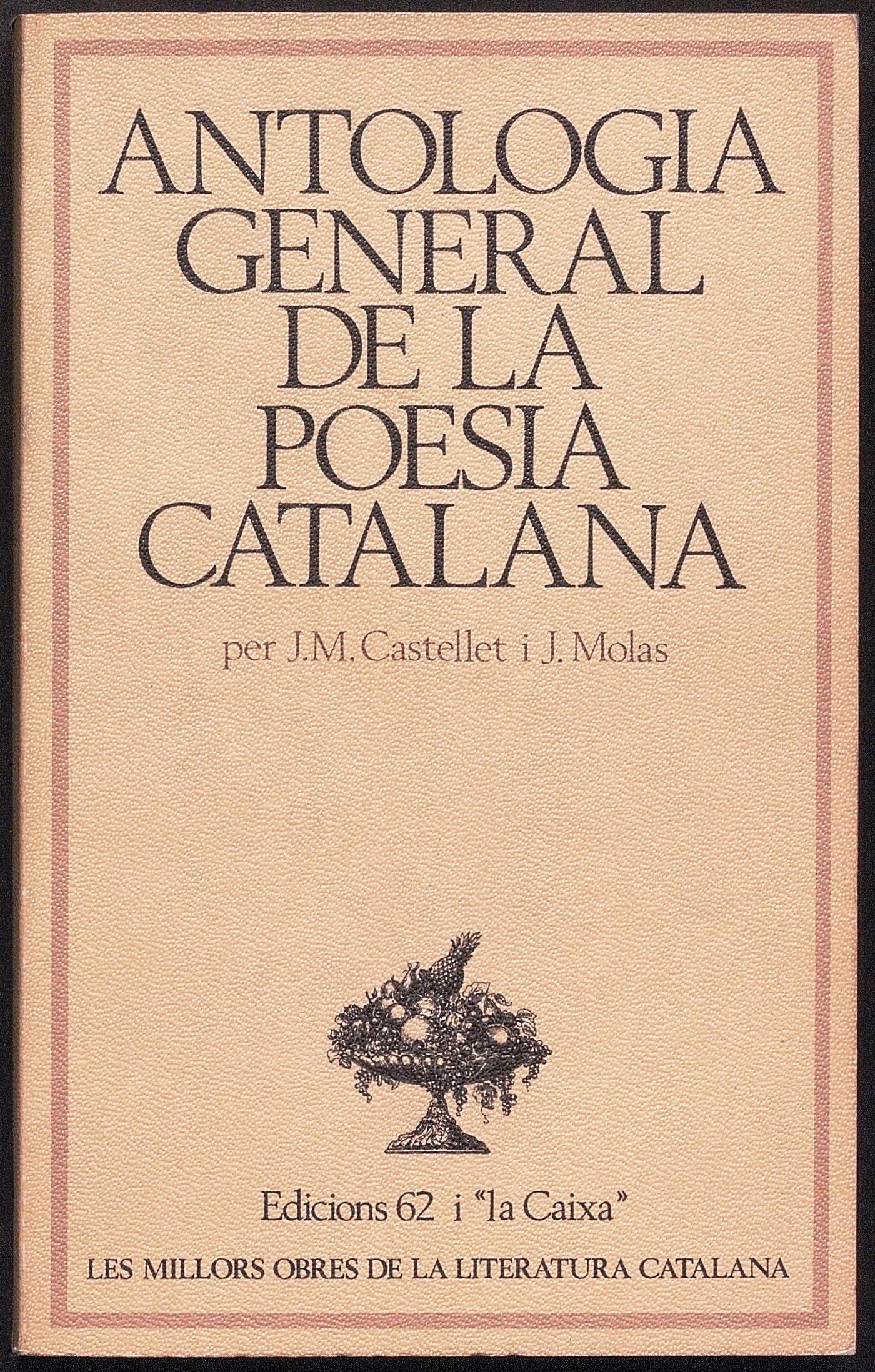
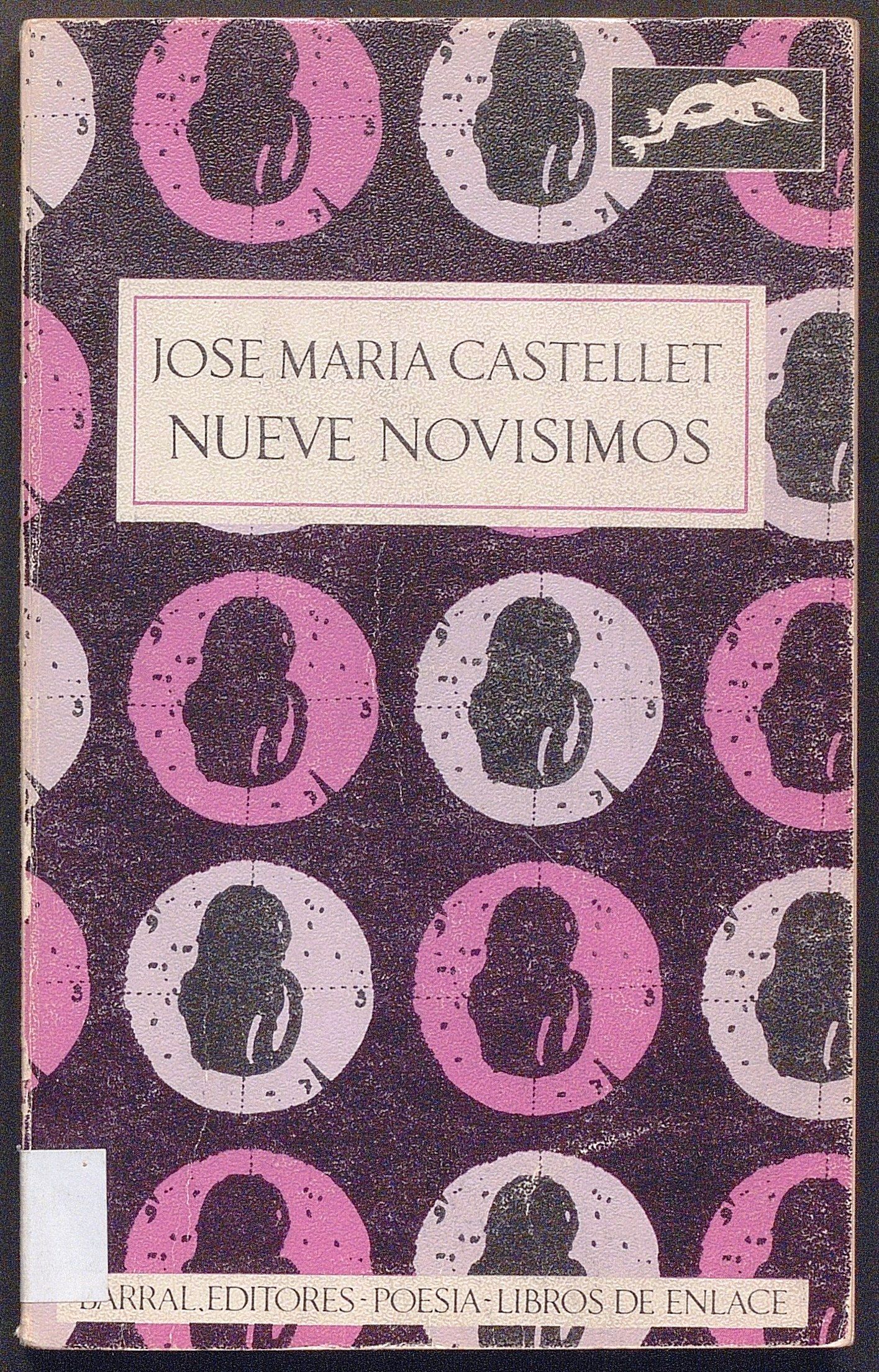
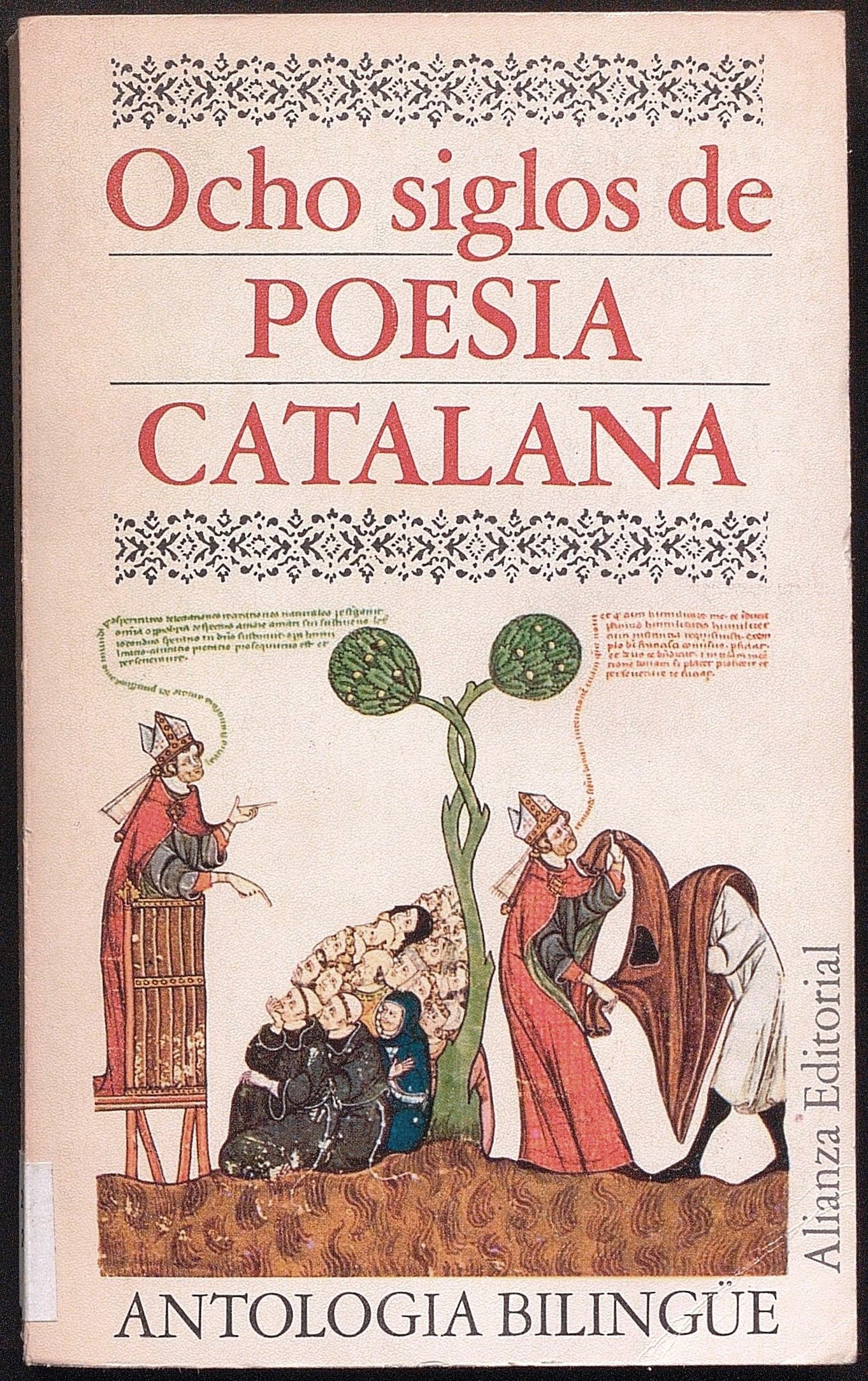
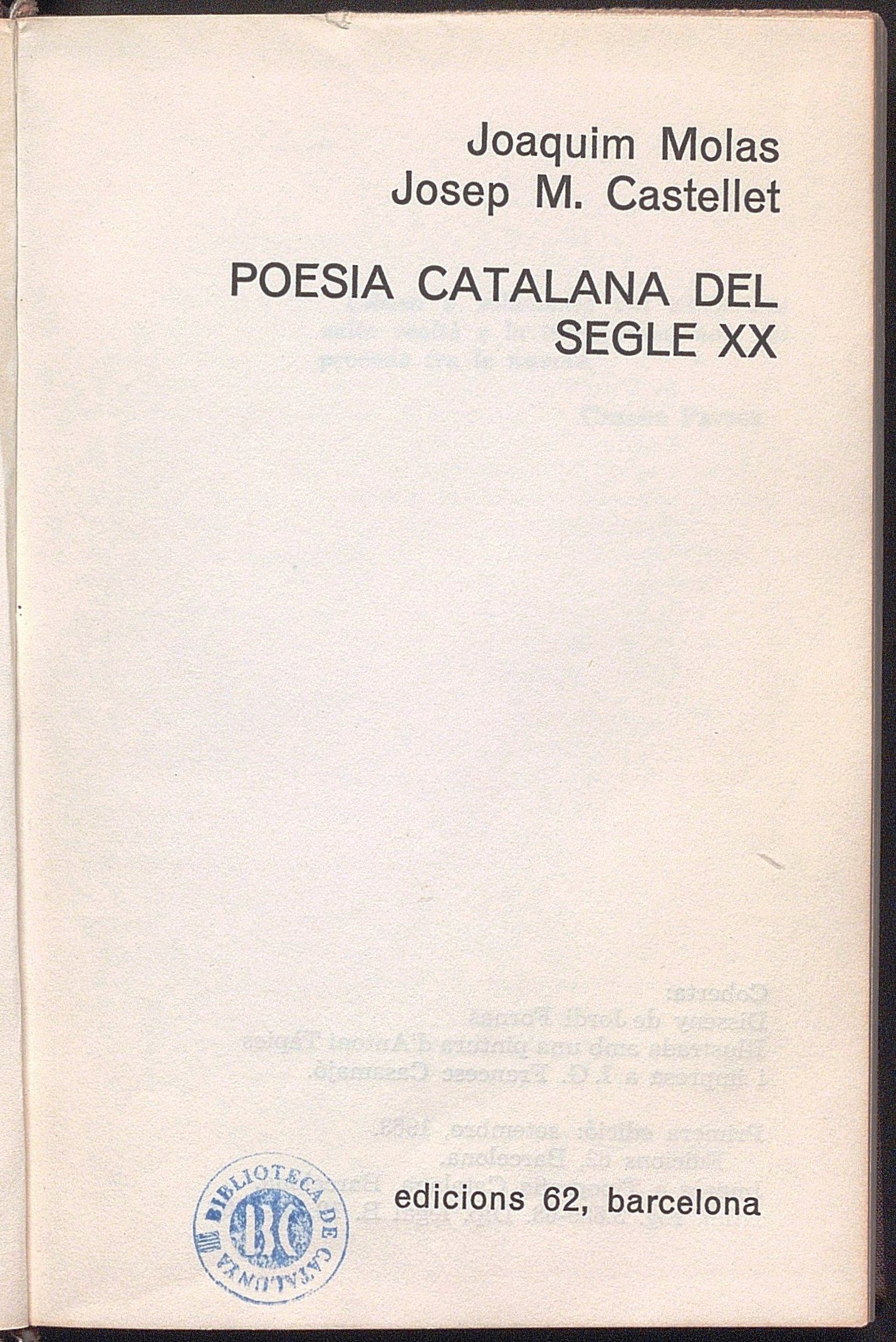
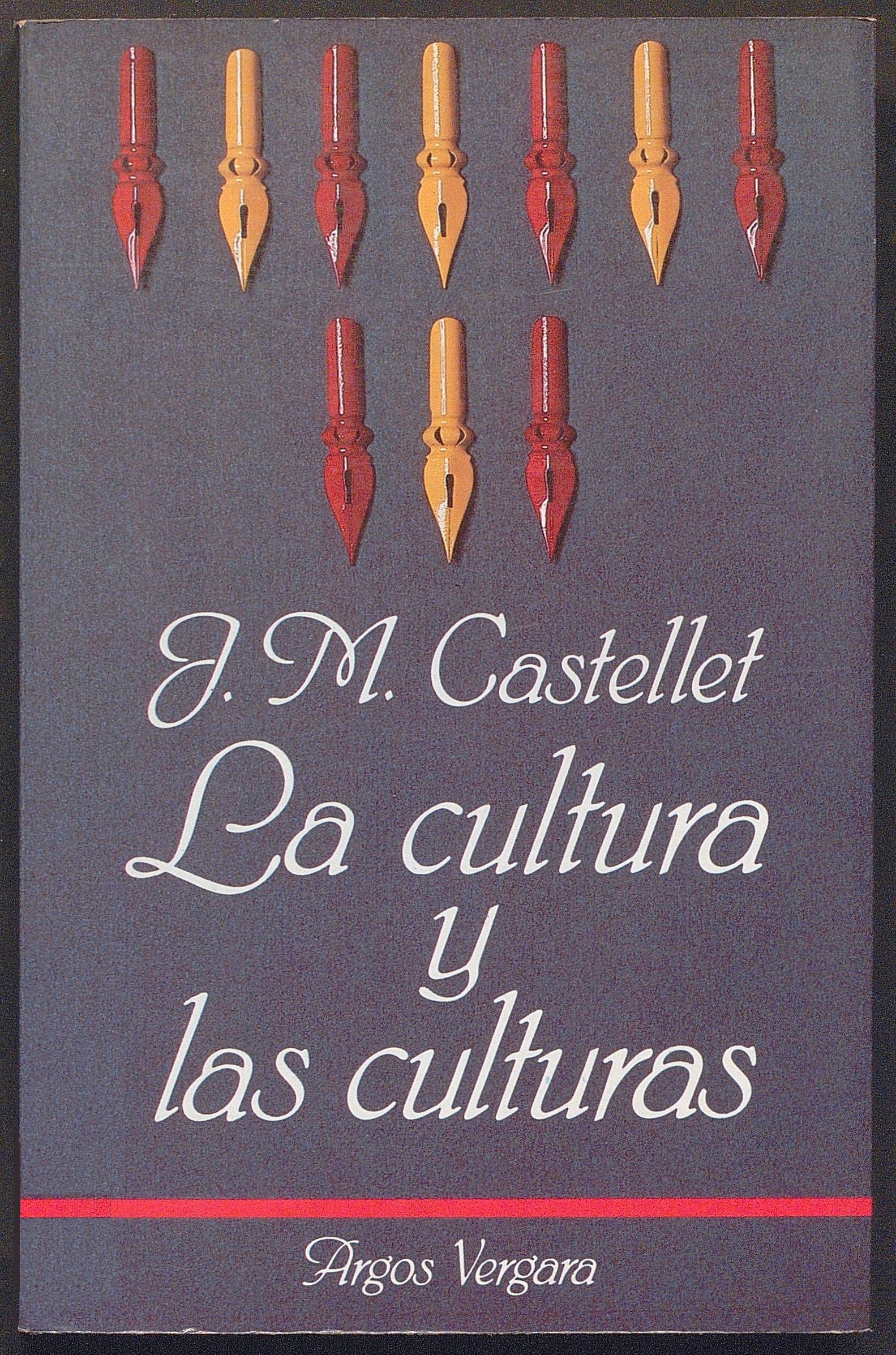
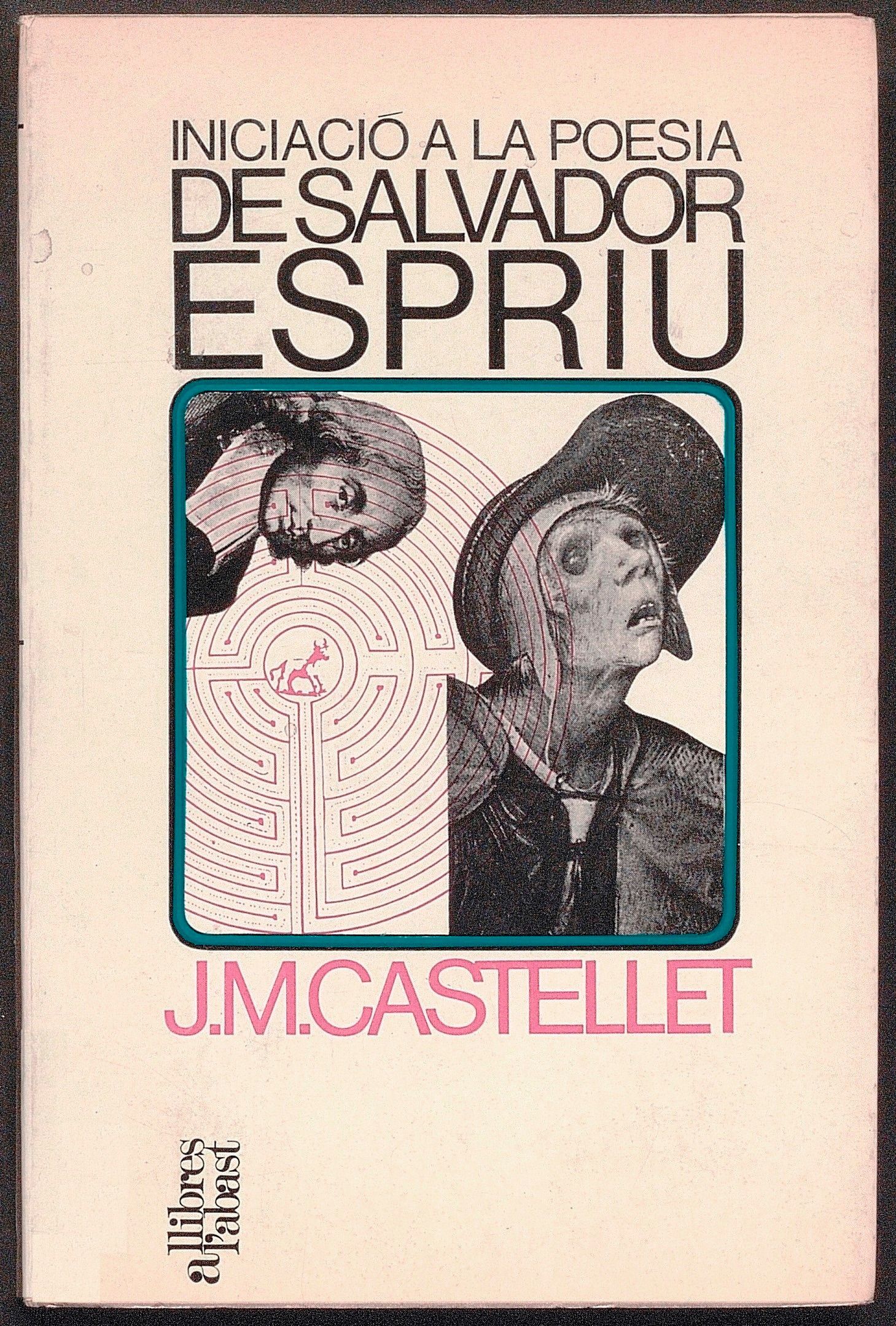
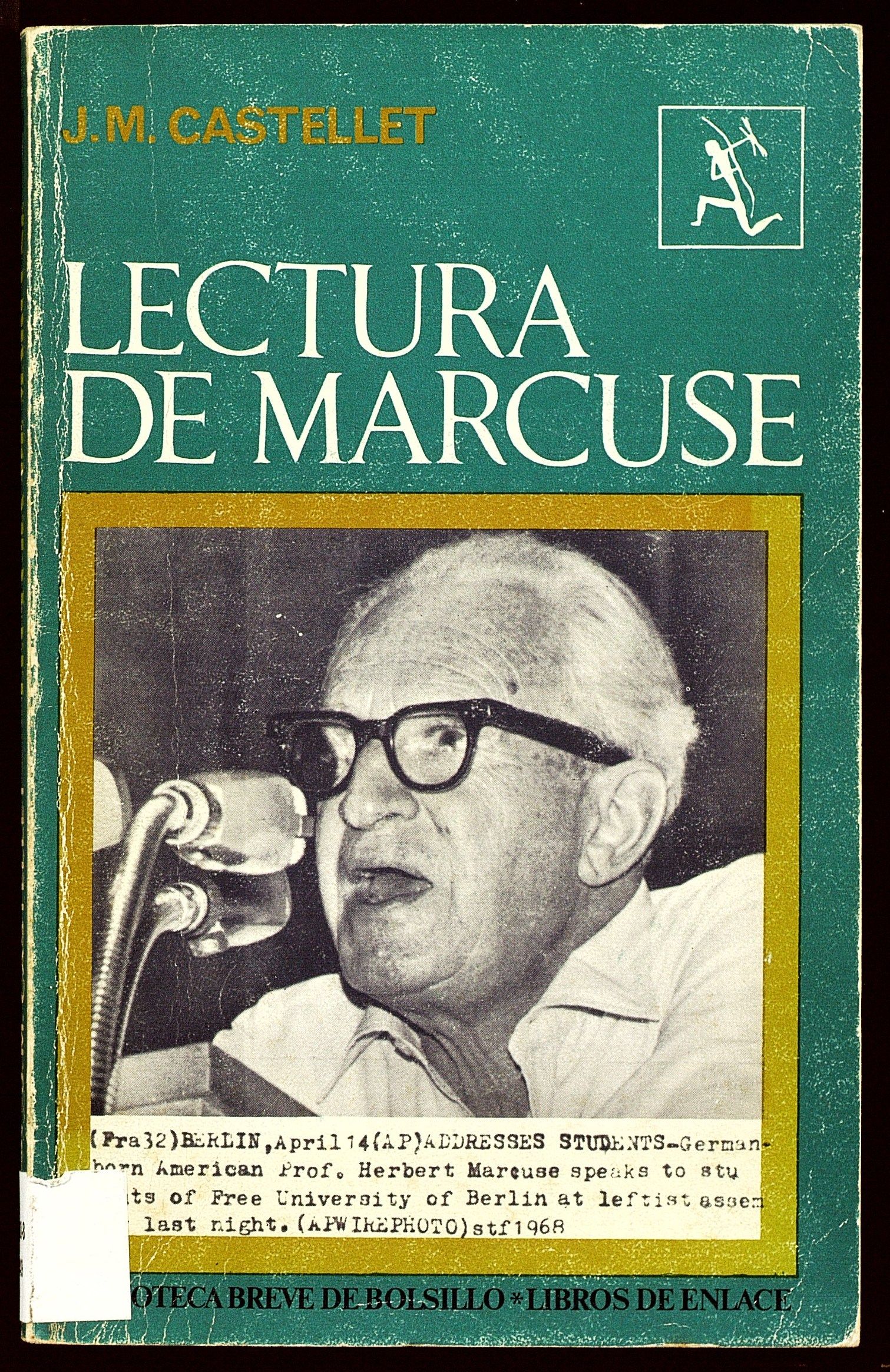
The fact is that, between 1965 and 1967, I devoted myself more to reading than to writing. In 1968, I published the first study signalling a methodological shift in my critical writings: the prologue to Poesia completa de Salvador Espriu, which would pave the way, in 1971, for Iniciació a la poesia de Salvador Espriu, a book that had won the 1970 Taurus Essay Prize. (…) That same year, I published Nueve novísimos poetas españoles, an anthology of Spanish-language poets; it caused quite a stir, but I found compiling it highly entertaining. The previous year, in the wake of the events of May ’68, I had written, in a single go, Lectura de Marcuse —published simultaneously in Catalan and Spanish—which became the only significant bestseller among my books. We had also completed and published a poetry anthology in collaboration with Joaquim Molas: the bilingual Ocho siglos de poesía catalana, released in Alianza Editorial’s paperback series.

Amidst all this, I had been changing; I felt more à l’aise with the new, intellectually rich currents than with the heavy burden of the “realism” I had helped to establish. That said, I had acquired a certain way of understanding literature from Sartre and Lukács, among others, and I neither can nor ever will disown them. On the latter’s Diari 1910-1911 I have just written a few pages intended as a tribute. What I owe Sartre remains to be written, but it is a debt I do not forget.

(Memòries confidencials d’un editor, Barcelona: Edicions 62, 2012.)

The books

The anthologies

“In those days, I was seeing Fuster constantly, but it wasn’t until the second night, while we were strolling through the gardens after dinner, that he spoke to me again about the anthology of Spanish poetry. I explained that it was an old idea conceived by the poets from Laye, that is, those who had been publishing poems in the magazine (Goytisolo, Gil de Biedma, Ferran, Costafreda, Barral himself) and who wanted to make themselves known, particularly in Madrid, because despite writing in Spanish, their work struggled to get beyond Barcelona. The idea, of which Barral was proud, was to put together an anthology of postwar poetry that would incorporate poets from the new generation, those from Barcelona, Madrid and the diaspora alike. Fuster fell into a thoughtful silence. Then, suddenly, he revealed the reason for his curiosity: ‘Could an anthology like that be created today, right now, of postwar Catalan poetry?’”

(Josep M. Castellet, «Joan Fuster. Una conversa i quatre xafarderies» dins Seductors, il·lustrats i visionaris. Barcelona, Edicions 62, 2009.)

Press articles

Laye (1950-54)

«Política, sí. Política, no» Laye, 1 de marzo, 1959, p.6-7

https://arca.bnc.cat/arcabib_pro/ca/publicaciones/listar_numeros.do?busq_idPublicacion=2029

«Intelectual y político», Laye, 2, abril 1950, p. 6-7

https://arca.bnc.cat/arcabib_pro/ca/catalogo_imagenes/grupo.do?path=1600746

«¿Universidad formativa?», Laye, 5, julio-agosto 1950, p. 4.

https://arca.bnc.cat/arcabib_pro/ca/catalogo_imagenes/grupo.do?path=1600749

«Arte para una sociedad asocial» (I), Laye, 7, septiembre 1950, p. 9.

https://arca.bnc.cat/arcabib_pro/ca/catalogo_imagenes/grupo.do?path=1600750

«Un héroe de nuestro tiempo: Orestes», Laye, 8 i 9, octubre-noviembre, 1950, p. 6-7

https://arca.bnc.cat/arcabib_pro/ca/publicaciones/listar_numeros.do?busq_idPublicacion=2029

«Las técnicas de la literatura sin autor», Laye, 12, marzo-abril 1951, p. 39-46.

https://arca.bnc.cat/arcabib_pro/ca/catalogo_imagenes/grupo.do?path=1600754

«Simenon para todos nosotros», Laye, 16, noviembre-diciembre 1951, p. 58-61.

https://arca.bnc.cat/arcabib_pro/ca/catalogo_imagenes/grupo.do?path=1600758

«La colmena. (Notas con estrambote), Laye, 18, marzo-abril 1952, p. 51-58.

https://arca.bnc.cat/arcabib_pro/ca/catalogo_imagenes/grupo.do?path=1600760

«Notas sobre la situación actual del escritor en España», Laye, 20, agosto-octubre 1952, p. 10-17.

https://arca.bnc.cat/arcabib_pro/ca/catalogo_imagenes/grupo.do?path=1600762

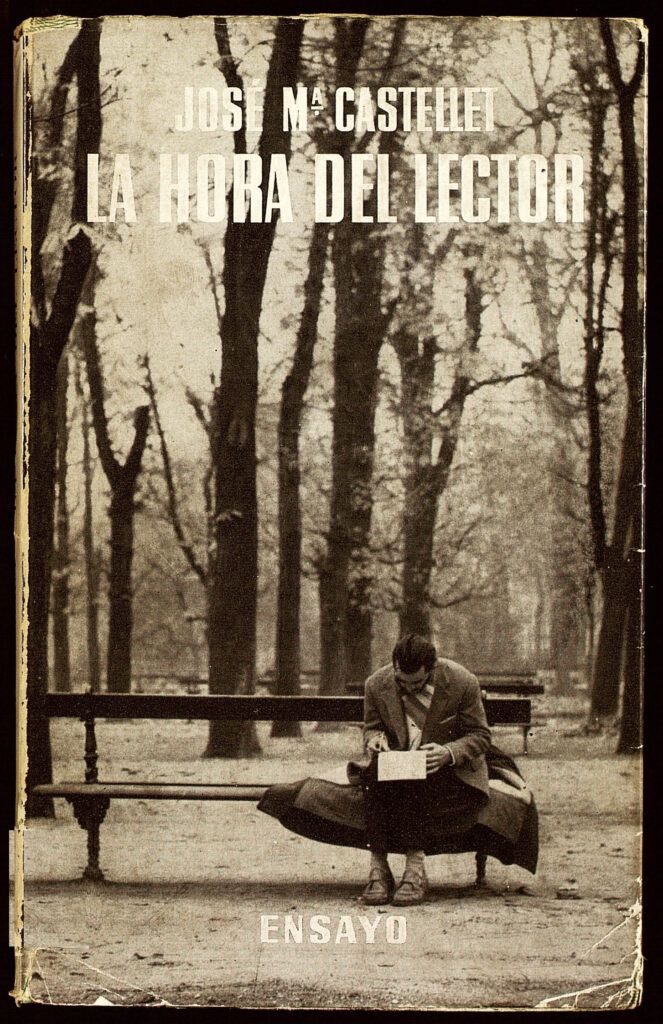
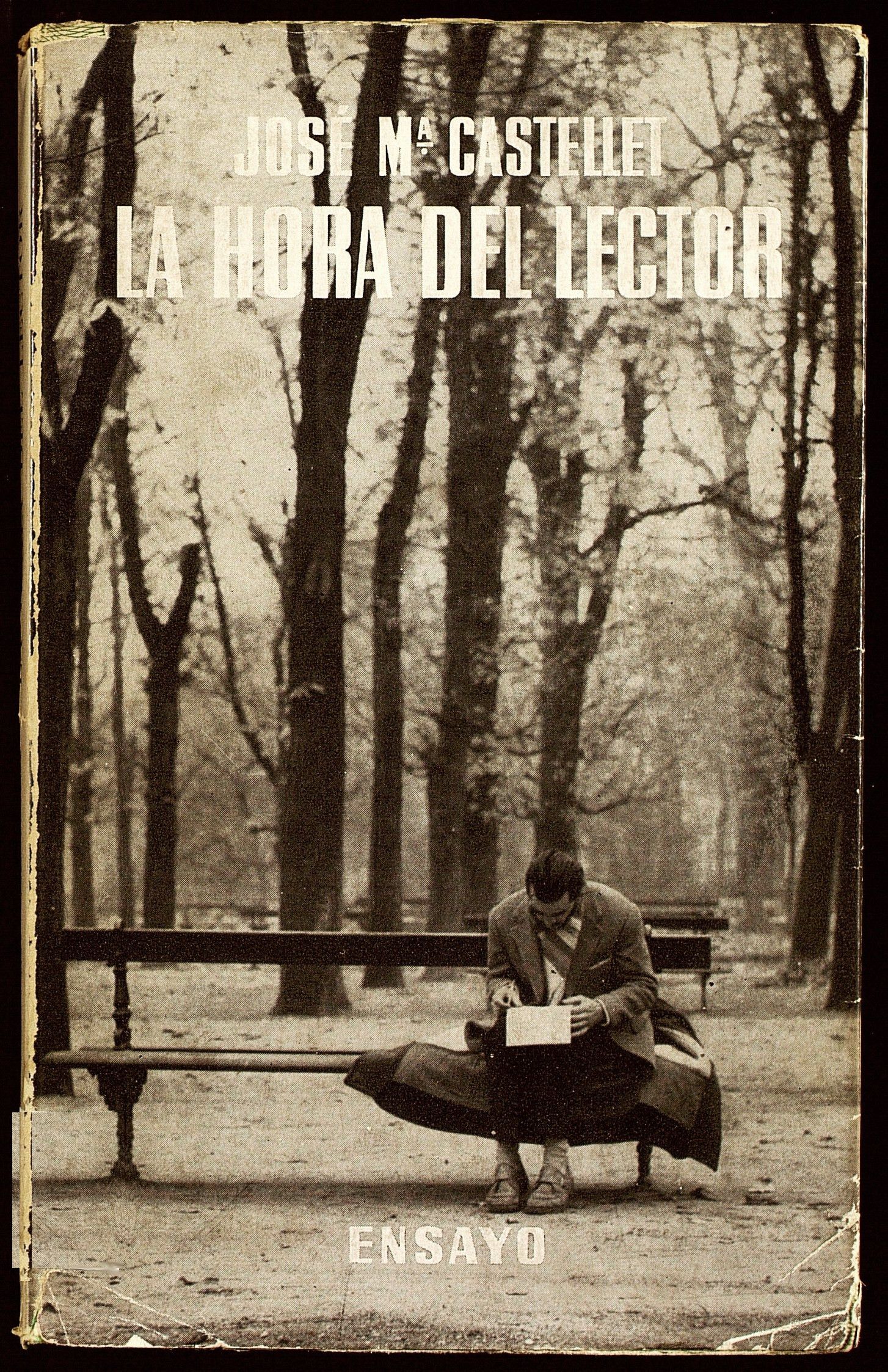
«El tiempo del lector», Laye, 23, abril-juny, 1953, ps. 39-45.

https://ddd.uab.cat/pub/laye/laye_a1953m4-6n23.pdf
Destino

«Joan Brossa o la cotidianidad histórica», Destino, n. 1698, abril 1970, p. 49

https://arca.bnc.cat/arcabib_pro/ca/catalogo_imagenes/grupo.do?path=1339909

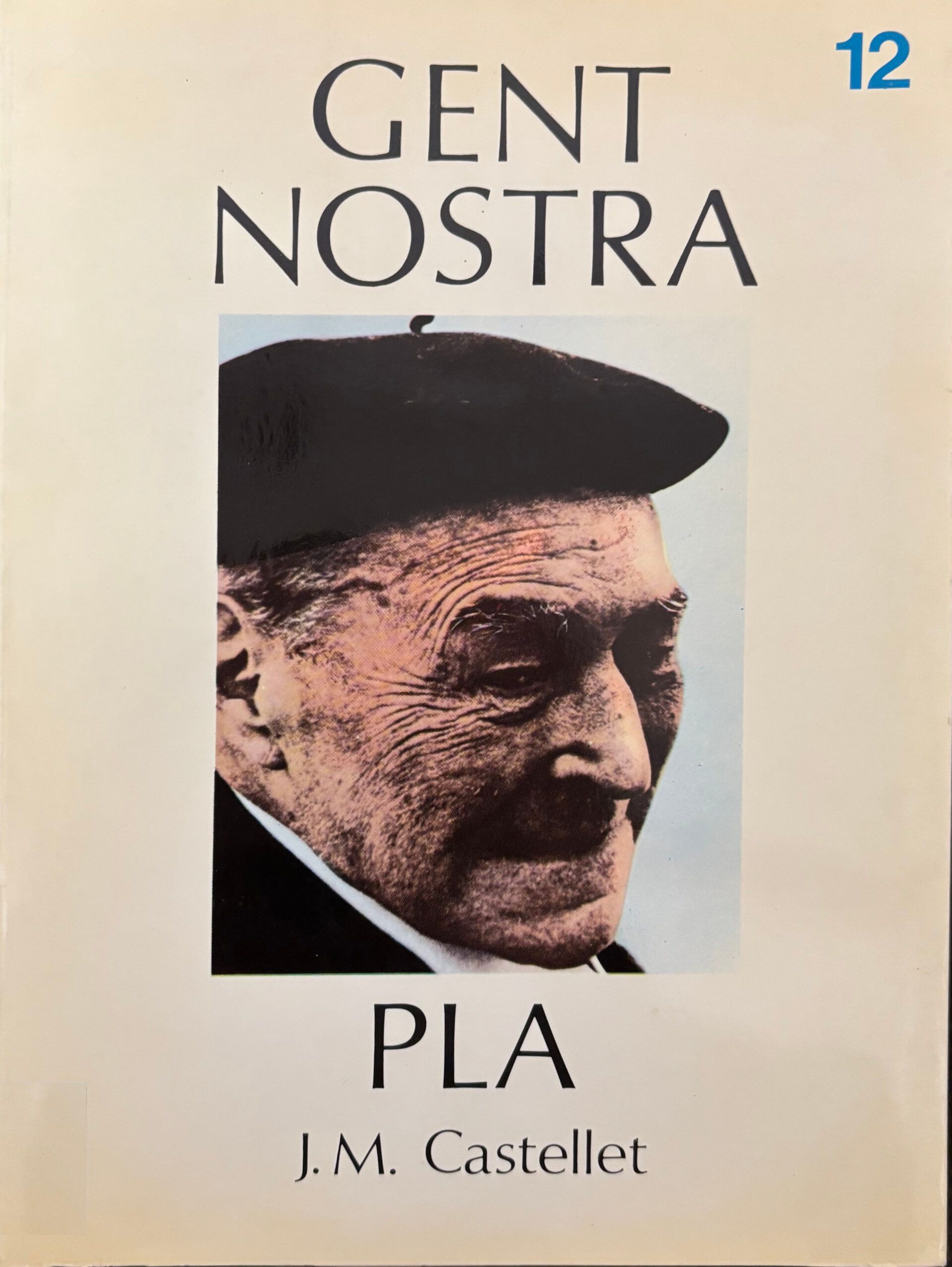
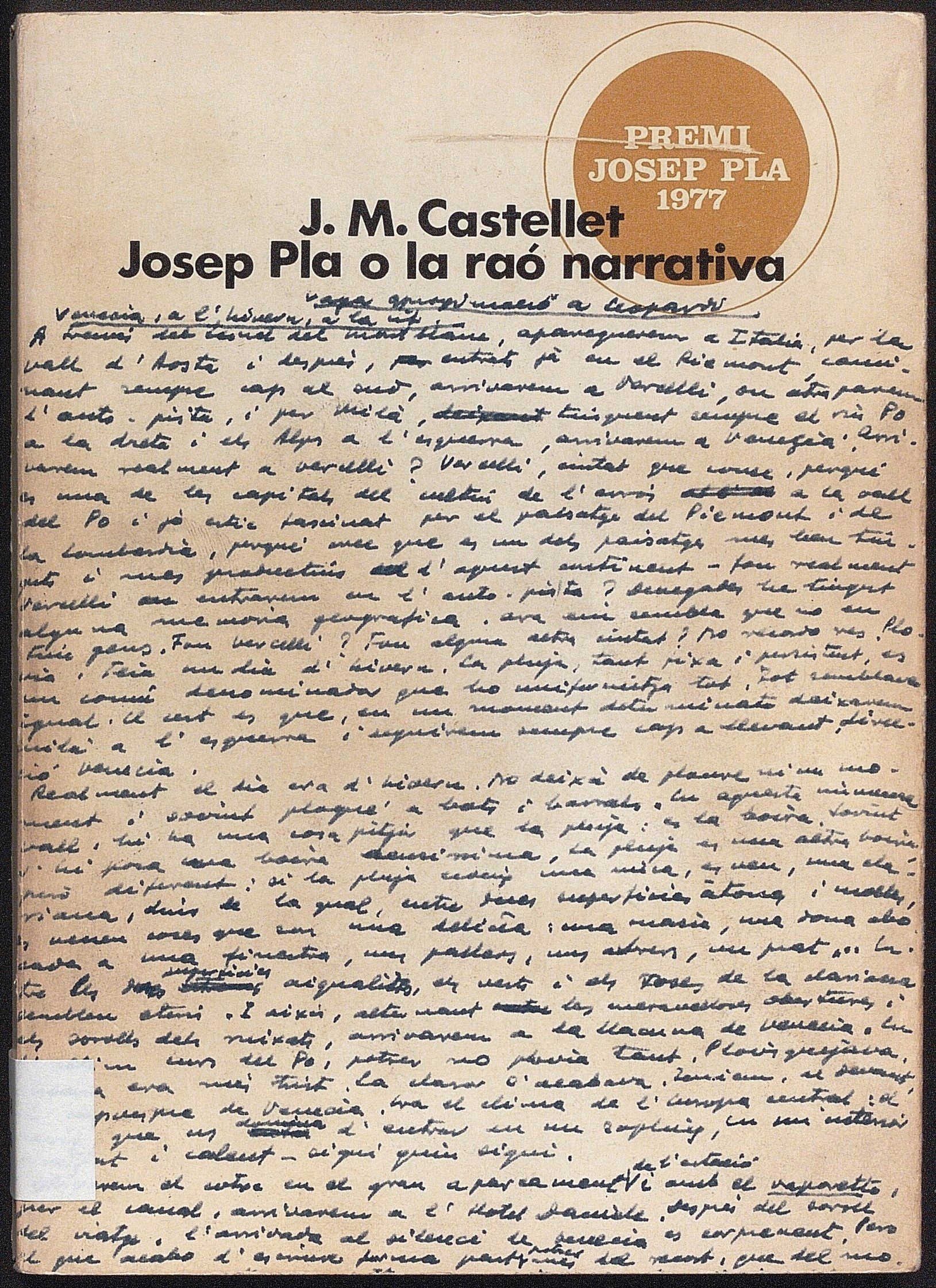
«Josep Pla, retratista», Destino, n. 1755, mayo 1971, p. 7-9.

https://arca.bnc.cat/arcabib_pro/ca/catalogo_imagenes/grupo.do?path=1340023

«Josep Pla, escritor», Destino, n. 1796, marzo 1972, p. 31-35.

https://arca.bnc.cat/arcabib_pro/ca/catalogo_imagenes/grupo.do?path=1340105

«No hay amnistía para Antonio Machado», Destino, n. 1975, agost 1975, p. 24-27.

https://arca.bnc.cat/arcabib_pro/ca/catalogo_imagenes/grupo.do?path=1340463

Els Marges

«Sartre i els intel·lectuals», Els Marges, 3, 1975, p. 120-124.

https://raco.cat/index.php/Marges/article/view/93643/156640

«El temps i la memòria en l’obra de Josep Pla», Els Marges, 4, maig de 1975, p. 39-49.

https://84.88.27.11/index.php/Marges/article/view/94604/156645

«Giuseppe Ungaretti, en el record», Els Marges, 30, 1984, p. 3-10.

https://raco.cat/index.php/Marges/article/view/111317/157775

Serra d’Or

«Vida i mort d’Antonio Machado als Països Catalans» Serra d’Or, n. 191, agost 1975, p. 41-43

https://www.cervantesvirtual.com/obra/vida-i-mort-dantonio-machado-als-paisos-catalans-1201298/

«La narrativa de Joan Oliver», Serra d’Or, n. 121, octubre 1969, ps. 53-54

https://www.cervantesvirtual.com/obra-visor/serra-dor-68/html/3da0e108-f5b9-11e1-b1fb-00163ebf5e63_56.html

«Perfil de Josep Pla amb motiu de la seva mort», Serra d’Or, 262-263, juliol 1981,

https://www.cervantesvirtual.com/obra/serra-dor-any-xxiii-num-262-263-juliol-agost-1981-972313/

Papeles de son Armadans

La conciencia de Svevo. I, p. 42-51 (abril 1956)

Notas para una iniciación a la lectura de «El Jarama». II, p. 205-217 (maig 1956)

Filología, geografía e historia por Ávila, Segovia y sus tierras. V, p. 209-224 (agost 1956)

De la objetividad al objeto. (A propósito de las novelas de Alain Robbe-Grillet). XV, p. 309 (juny 1957)

En la muerte de Arturo Barea, novelista español. XXII, p. 101-106 (gener 1958)

Europa, des de Lourmarin (Notas de un congresista ingenuo). XLI, p. 31-42 (agost 1959)

La Comunidad Europea de Escritores. LIX, p. 35-44 (febrer 1961)

Situación de Carles Riba en la poesía europea. LXVIII, p. 145 (novembre 1961)

La poesía de José Agustín Goytisolo. LXIX, p. 302-335 (desembre 1961)

«Notas sobre la situación actual del escritor catalán», Ínsula, 95, 1953, p. 10. Posteriorment a Ínsula, 499-500, 1988 p. 56.

«Poderse ir tranquilo», Ínsula, 119, 1955, p. 7.

«La obra poética de Carles Riba, Ínsula, 125, 1957, p.2.

«El primer Coloquio Internacional sobre Novela», Ínsula, 152-153, 1959, p. 19 i 32.

«Entrevista con Ana María Matute», Ínsula, 160, , 1960, p. 4.

«El segundo Coloquio Internacional de Novela en Formentor», Ínsula, 163, 1960, p. 4.

Biography

Biography

The memoirist

The memoirist